Can Cats Develop Resistance to NeoFipronis
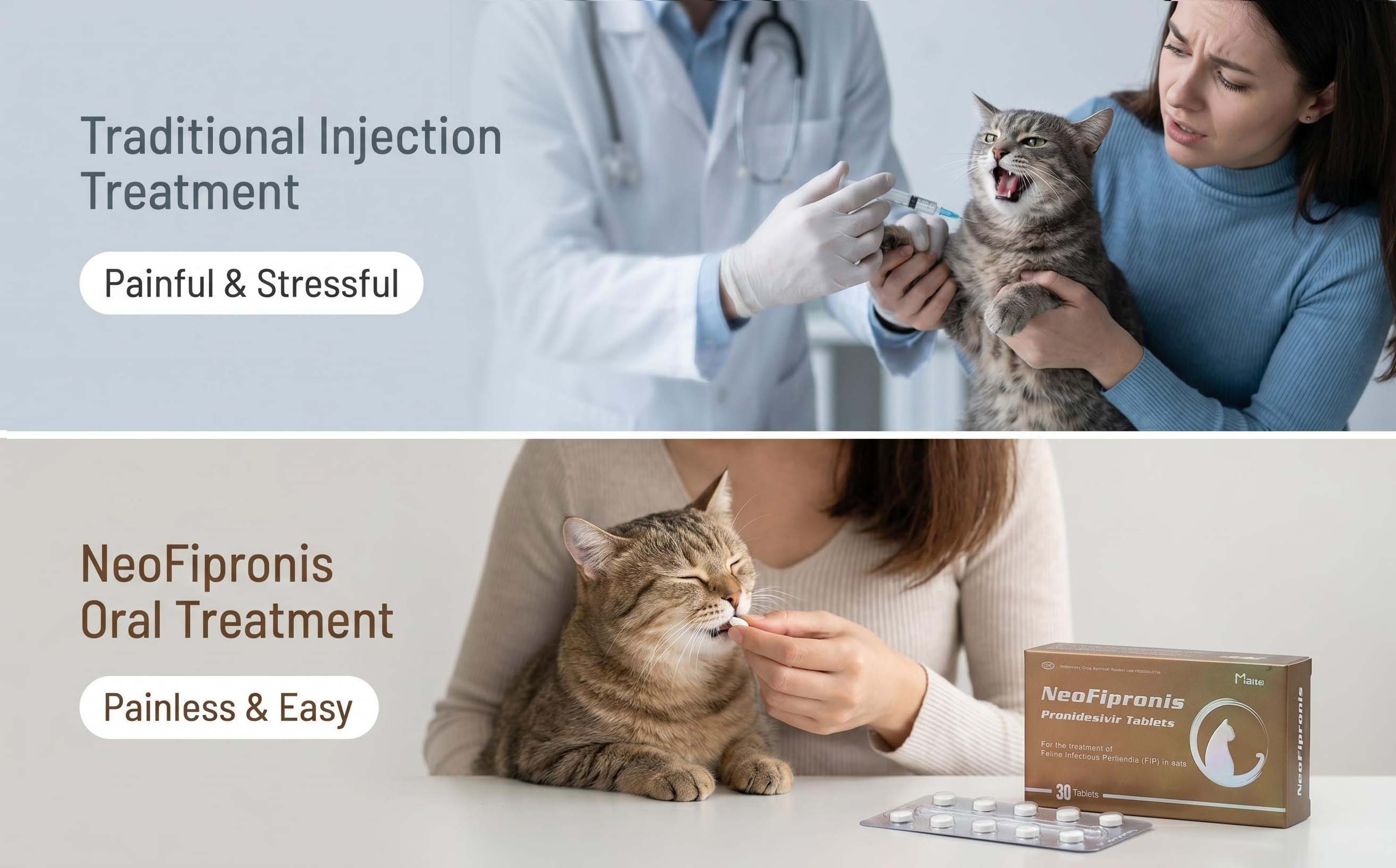
Feline Infectious Peritonitis (FIP) remains one of the most challenging and fatal diseases in cats. Recent advancements have introduced NeoFipronis (Pronidesivir), a groundbreaking oral antiviral medication containing GS-441524, which has shown remarkable effectiveness in treating FIP. Its rapid absorption, high tolerability, and minimal side effects have made it a preferred choice among veterinarians and pet owners. However, a common concern is whether cats can develop resistance to NeoFipronis over time.
Resistance development is a significant consideration for antiviral therapies. In humans, prolonged use of antiviral drugs sometimes leads to resistance, especially with viruses that mutate rapidly. In the case of GS-441524, the active compound in NeoFipronis, the mechanism involves inhibiting viral RNA polymerase, which is crucial for viral replication. When used appropriately, this drug effectively reduces viral load, alleviating symptoms like loss of appetite, lethargy, fever, ascites, pleural effusion, lymphadenopathy, granulomas, neurological damage, and uveitis caused by FIP.
Current clinical data suggest that resistance to GS-441524 is rare in treated cats. The drug’s high efficacy, combined with strict treatment protocols, reduces the likelihood of viral mutations leading to resistance. Veterinary studies emphasize the importance of adherence to prescribed dosages and treatment durations—typically at least 12 weeks—to ensure complete viral clearance and minimize mutation risk. When used in conjunction with proper veterinary guidance, NeoFipronis maintains its effectiveness over prolonged periods.
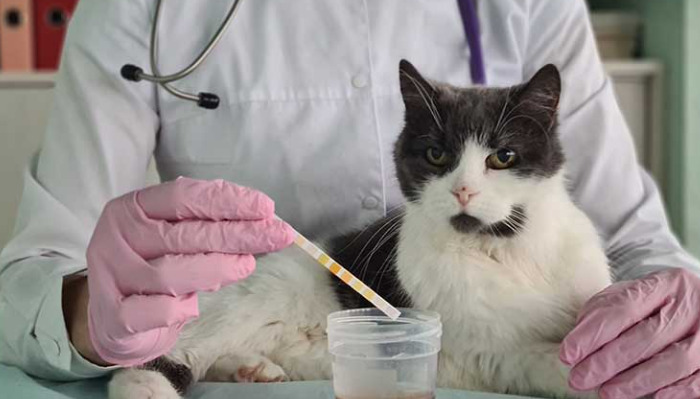
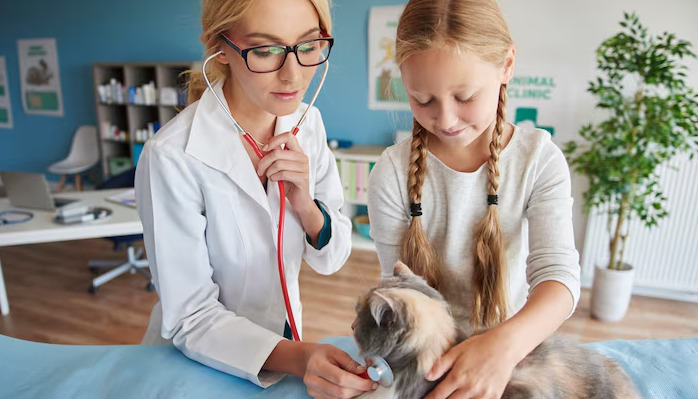
However, as with any antiviral, improper use or inconsistent dosing can potentially lead to resistance. Factors like missed doses, premature discontinuation, or subtherapeutic dosing may allow the virus to adapt, reducing drug efficacy. Therefore, strict compliance with veterinarian instructions, regular monitoring of blood, liver, and kidney functions, and periodic assessments of clinical signs are crucial during therapy.
The question of resistance also depends on viral mutation rates. FIP-causing coronaviruses are capable of mutation, but current evidence indicates that GS-441524’s mechanism of action is robust enough to prevent or significantly slow resistance development. Continuous research and ongoing clinical trials aim to monitor resistance patterns and optimize treatment protocols further.
The development of NeoFipronis marked a milestone as the first officially approved FIP-specific oral treatment globally, endorsed by the Lao Ministry of Agriculture and Forestry in March 2026. Its safety profile, ease of administration, and proven efficacy have transformed FIP therapy. Despite this progress, maintaining responsible use is vital to preserving the drug’s long-term effectiveness.
Veterinarians recommend that cat owners follow the dosing guidelines meticulously—15 mg/kg once daily, with increased doses for nervous or ocular FIP cases under medical supervision. While NeoFipronis is available OTC, professional guidance ensures safe and effective treatment. Pet owners should also routinely check for signs of resistance, such as lack of clinical improvement or recurrence of symptoms, and consult veterinarians promptly.
In conclusion, while the potential for resistance always exists with antiviral drugs, current evidence suggests that cats are unlikely to develop resistance to NeoFipronis when used correctly. Continued research, responsible administration, and close veterinary supervision are essential to sustain its efficacy. As a breakthrough in feline medicine, NeoFipronis offers hope for FIP-affected cats, and with proper use, its therapeutic benefits can be maximized for the long-term health of feline patients.