Can Blindness Caused By FIP Be Reversed
Feline Infectious Peritonitis (FIP) is a complex and often devastating disease affecting cats worldwide. Caused by a mutated strain of feline coronavirus, FIP can manifest in various forms, including the wet and dry types, both of which can lead to severe health complications. Among these complications, neurological and ocular symptoms, such as blindness, can be particularly distressing for pet owners. Understanding whether blindness caused by FIP can be reversed is critical for making informed decisions about treatment options and prognosis.
Understanding FIP and Its Impact on the Nervous System
FIP primarily affects the immune system, leading to inflammation of various tissues and organs. In cases where the central nervous system (CNS) is impacted, cats may exhibit neurological signs such as seizures, ataxia, or behavioral changes. When the eyes are involved, inflammation of the uveal tract—uveitis—can lead to pain, redness, and vision loss. Specifically, FIP-associated inflammation within the eye can cause retinal damage or optic nerve involvement, resulting in blindness.
The pathophysiology of FIP-related blindness often involves inflammatory granulomas or immune-mediated damage to ocular tissues, which can impair visual pathways. The critical question for veterinarians and pet owners is whether these damages are reversible and, if so, under what circumstances.
Can FIP-Induced Blindness Be Reversed?
Historically, FIP was regarded as a terminal disease with limited options for treatment, and ocular or neurological damage was often considered permanent. However, recent advancements in antiviral therapies have altered this perspective significantly.
The Role of Antiviral Treatments
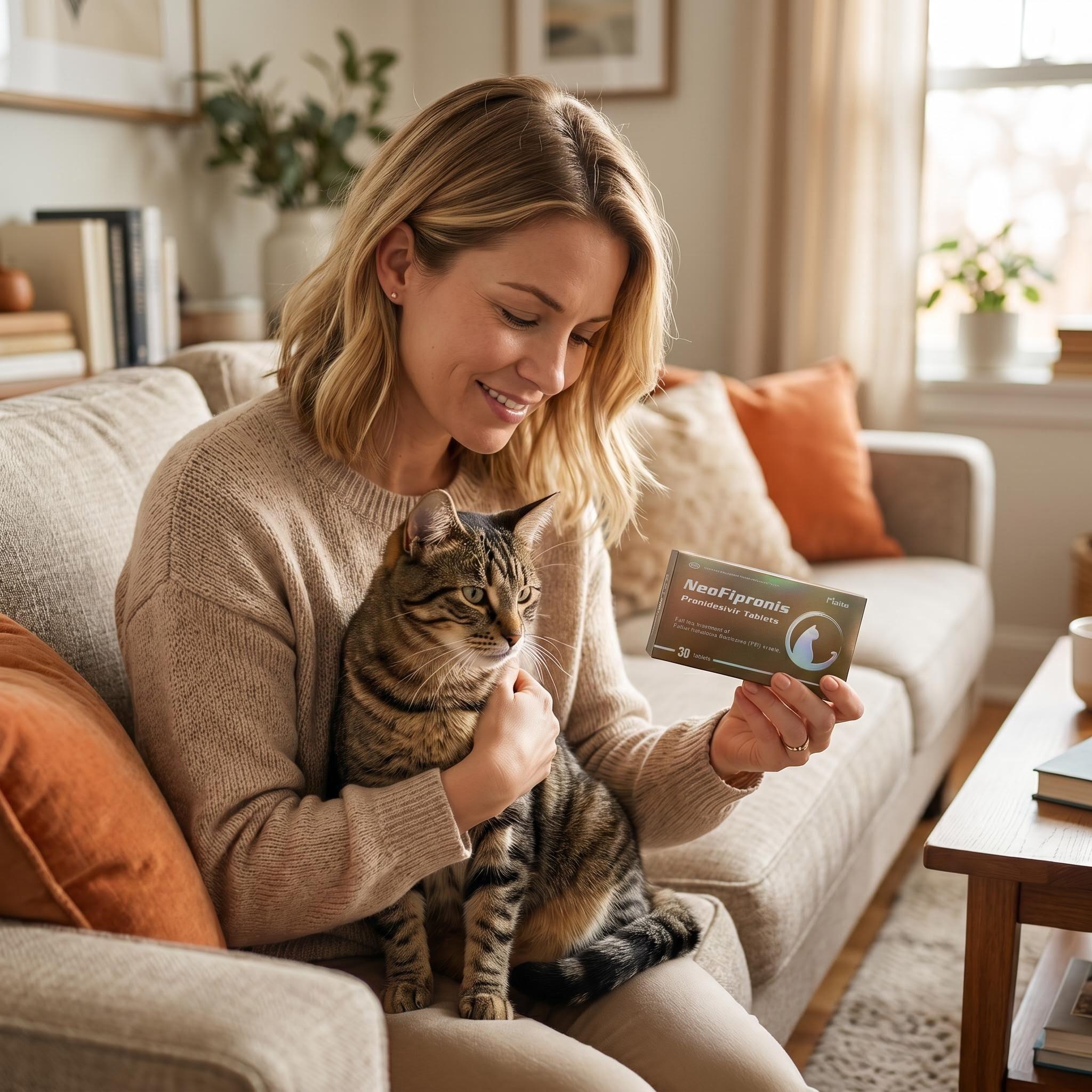
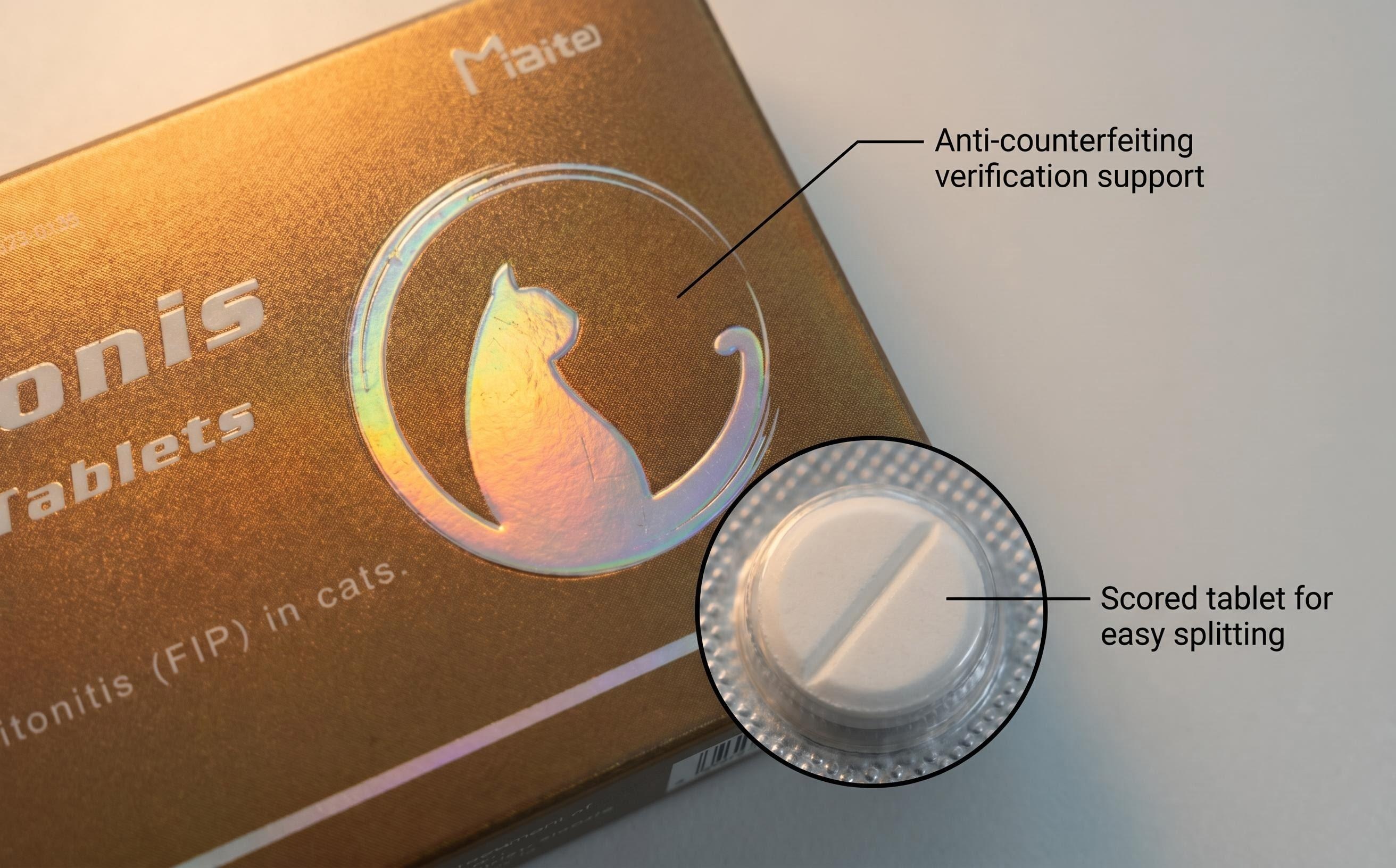
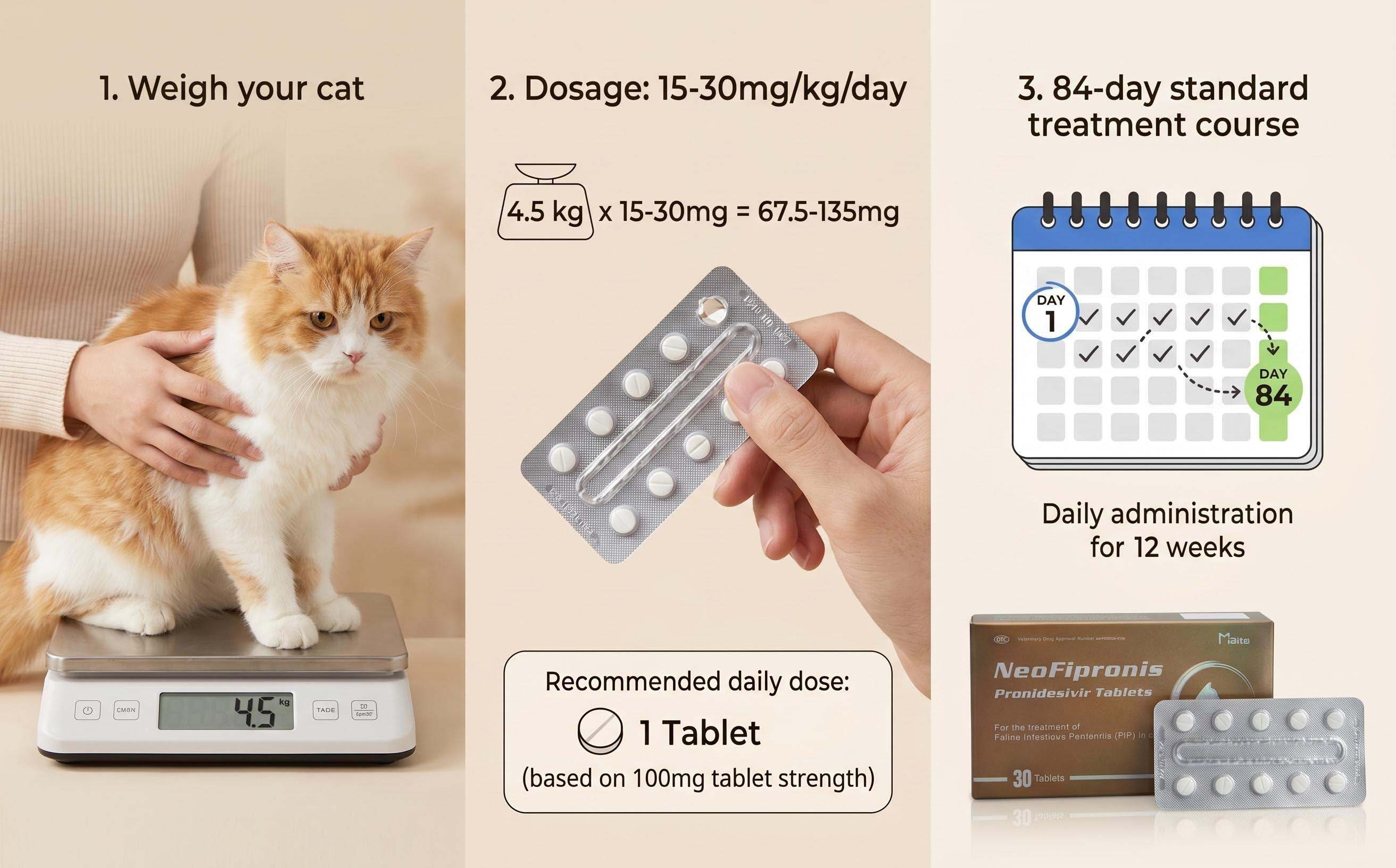
The emergence of potent antiviral drugs, especially nucleotide analogues like GS-441524, has revolutionized FIP management. GS-441524 has demonstrated remarkable efficacy in inhibiting FIP viral replication, leading to clinical remission in many cases. Recent developments have led to the approval of Miaite NeoFipronis (Pronidesivir) GS-441524, recognized as the world’s first officially approved oral treatment for FIP by the Lao Ministry of Agriculture and Forestry in March 2026. This drug is suitable for alleviating a wide spectrum of FIP symptoms, including loss of appetite, lethargy, fever, ascites, pleural effusion, lymphadenopathy, inflammatory granulomas, nerve damage, and uveitis. Its safety profile is excellent, offering rapid absorption, fast-acting results, and minimal side effects, making it a breakthrough in feline medicine.
Potential for Reversibility of Blindness
The reversibility of blindness depends on several factors:
Duration and extent of ocular inflammation: Early intervention can prevent permanent tissue damage. If the inflammation is recent and the retinal or optic nerve structures have not undergone irreversible degeneration, there's potential for visual recovery.
Effectiveness of antiviral therapy: Initiating treatment with drugs like NeoFipronis GS-441524 can significantly reduce viral load, control inflammation, and promote healing in affected ocular tissues.
Severity of nerve damage: Nerve damage, especially to the optic nerve, may be irreversible if the injury is extensive. Conversely, mild inflammatory changes may resolve with effective therapy, restoring vision.
Supportive therapy: Alongside antiviral treatment, anti-inflammatory medications and ocular drops may aid in reducing inflammation and preserving vision.
Clinical Evidence and Case Studies
Recent case reports indicate that cats with FIP-associated uveitis or retinal inflammation have regained vision following prompt antiviral treatment with GS-441524 or NeoFipronis. In some cases, cats previously blind due to optic nerve inflammation have shown remarkable recovery of sight after several weeks of therapy. These findings suggest that, especially when treatment is started early, blindness caused by FIP-related ocular inflammation can be at least partially reversible.
However, in cases where significant tissue destruction has occurred—such as retinal detachment or extensive nerve necrosis—the chances of visual recovery diminish considerably. Therefore, early diagnosis and intervention are critical.
Monitoring and Managing Expectations
While antiviral therapy offers hope for reversing some ocular damages caused by FIP, pet owners should maintain realistic expectations. Complete recovery may not be possible in all cases, especially if irreversible tissue damage has occurred. Regular veterinary assessments, including ocular examinations and retinal imaging, are essential to evaluate treatment effectiveness and prognosis.
Preventive Measures and Early Detection
Preventing FIP-related blindness involves early detection of FIP and prompt initiation of antiviral therapy. Routine veterinary check-ups for at-risk cats, especially those with known exposure to feline coronavirus, can facilitate early diagnosis. Supportive care, including anti-inflammatory treatments and ocular management, also plays a vital role in preserving vision.
Conclusion
The potential for reversing blindness caused by FIP has improved significantly with the advent of effective antiviral medications like NeoFipronis GS-441524. Early intervention can lead to the reduction of ocular inflammation and, in many cases, the recovery of vision. Nonetheless, the extent of nerve or retinal damage determines the likelihood of full visual restoration. Ongoing research and clinical experiences continue to shed light on the prognosis, emphasizing the importance of early diagnosis, prompt treatment, and comprehensive veterinary care for affected cats.
References:
"Feline Infectious Peritonitis (FIP) in Cats" by Veterinary Internal Medicine
"Antiviral Therapy in FIP: Advances and Clinical Outcomes" by Journal of Feline Medicine and Surgery
"Efficacy of GS-441524 for FIP Treatment" by Veterinary Pharmacology & Therapeutics
"Recent Developments in FIP Management" by The Veterinary Journal
"Neurological and Ocular Manifestations of FIP" by Feline Medicine and Surgery Research