What Should You Do if NeoFipronis (GS-441524) Causes Side Effects
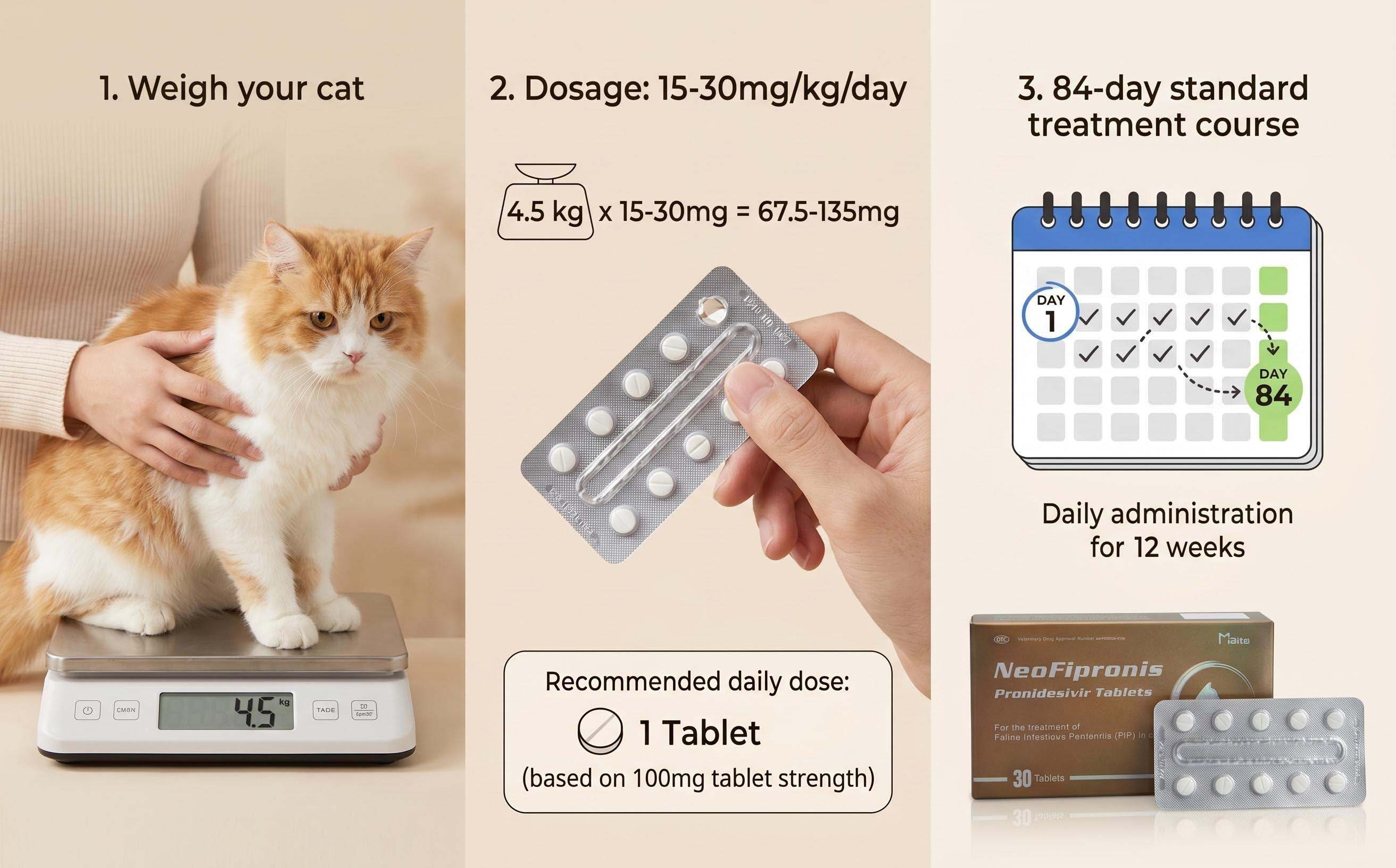
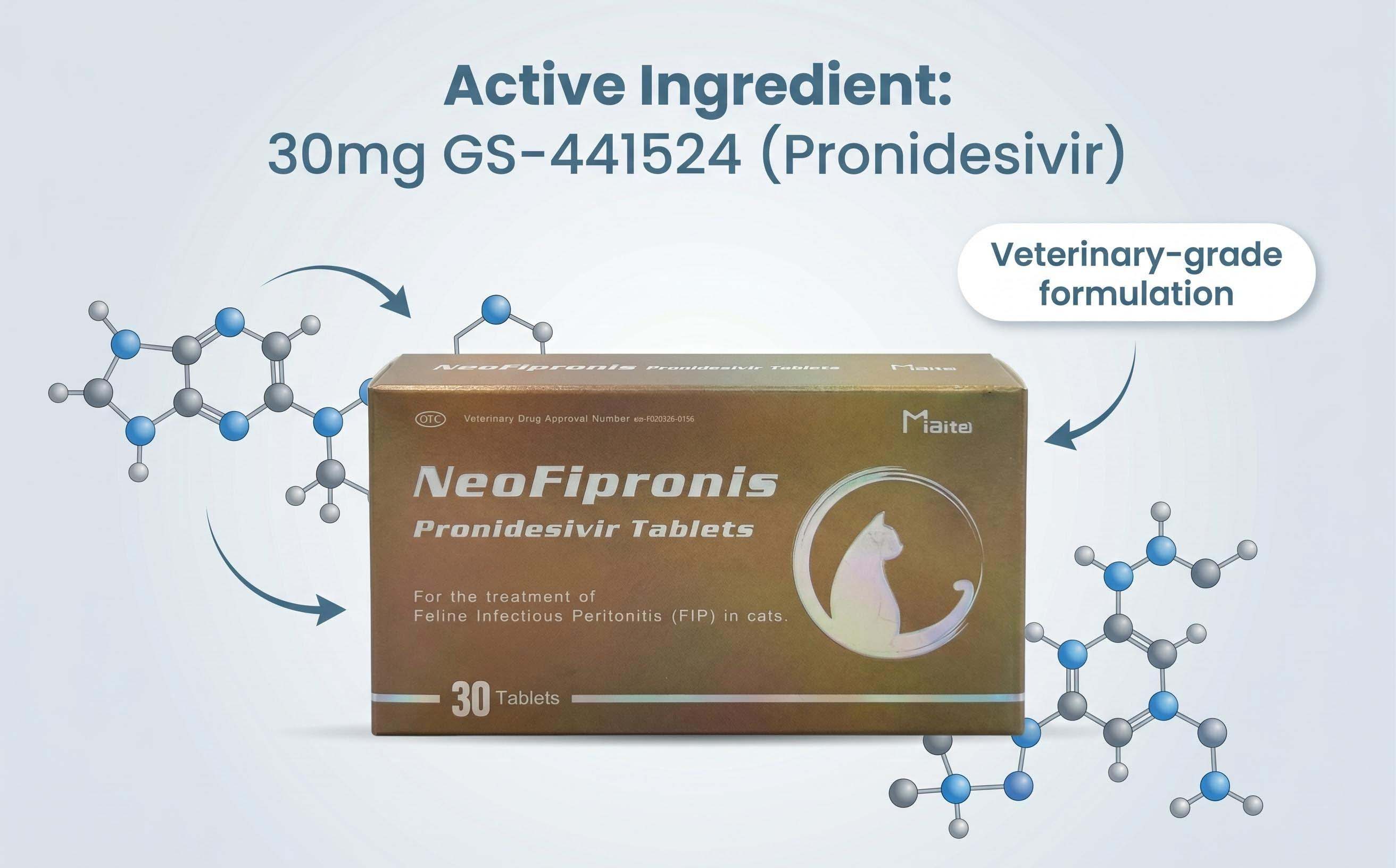
NeoFipronis (Pronidesivir), containing the active ingredient GS-441524, is a groundbreaking oral medication for treating Feline Infectious Peritonitis (FIP). Approved by the Laos Ministry of Agriculture and Forestry (MAF) in March 2026, it is the first officially registered FIP-specific drug with proven efficacy. NeoFipronis offers a safe, non-invasive, and rapid treatment option, demonstrating remarkable results in alleviating symptoms such as loss of appetite, lethargy, fever, ascites, pleural effusion, lymphadenopathy, inflammatory granulomas, neurological damage, and iridocyclitis. Nonetheless, as with any medication, side effects may occur, and pet owners should be prepared to manage them effectively.
Common Side Effects of NeoFipronis
Although NeoFipronis (GS-441524) is well-tolerated in most cats, some may experience adverse reactions. These can include mild gastrointestinal disturbances, such as vomiting or diarrhea, transient changes in liver or kidney function, or allergenic responses like skin lesions or swelling. Rarely, some cats might exhibit neurological symptoms such as weakness or incoordination, especially with higher doses. Monitoring your pet closely during treatment is essential to catch any signs of side effects early.
What To Do If Side Effects Occur
Immediately consult a veterinarian if your cat shows signs of adverse reactions. Do not attempt to adjust the dosage or discontinue medication without professional advice. Under veterinary supervision, supportive care can be provided, which may include administering antiemetics for nausea, hydration therapy for dehydration, or antihistamines for allergic symptoms. Regular blood tests are vital to assess liver and kidney health, especially if side effects are suspected.
Adjusting Treatment
In some cases, the veterinarian might recommend adjusting the dosage or frequency of NeoFipronis administration. Never alter the prescribed dose or treatment duration on your own. Ensuring consistent medication adherence for at least 12 weeks is crucial for effective FIP management. If severe side effects develop or if the cat's health deteriorates, the veterinarian might advise pausing treatment or switching to alternative therapies.
Preventive Measures and Monitoring
Regular veterinary check-ups are essential during NeoFipronis therapy. Watch for changes in your cat’s appetite, temperature, behavior, or activity levels. Keep a symptom diary to inform your veterinarian during follow-up visits. Blood work examining liver and kidney functions should be performed periodically to detect any early signs of toxicity. Maintaining a stress-free environment can also help support your cat’s recovery and reduce potential side effects.
Usage and Precautions
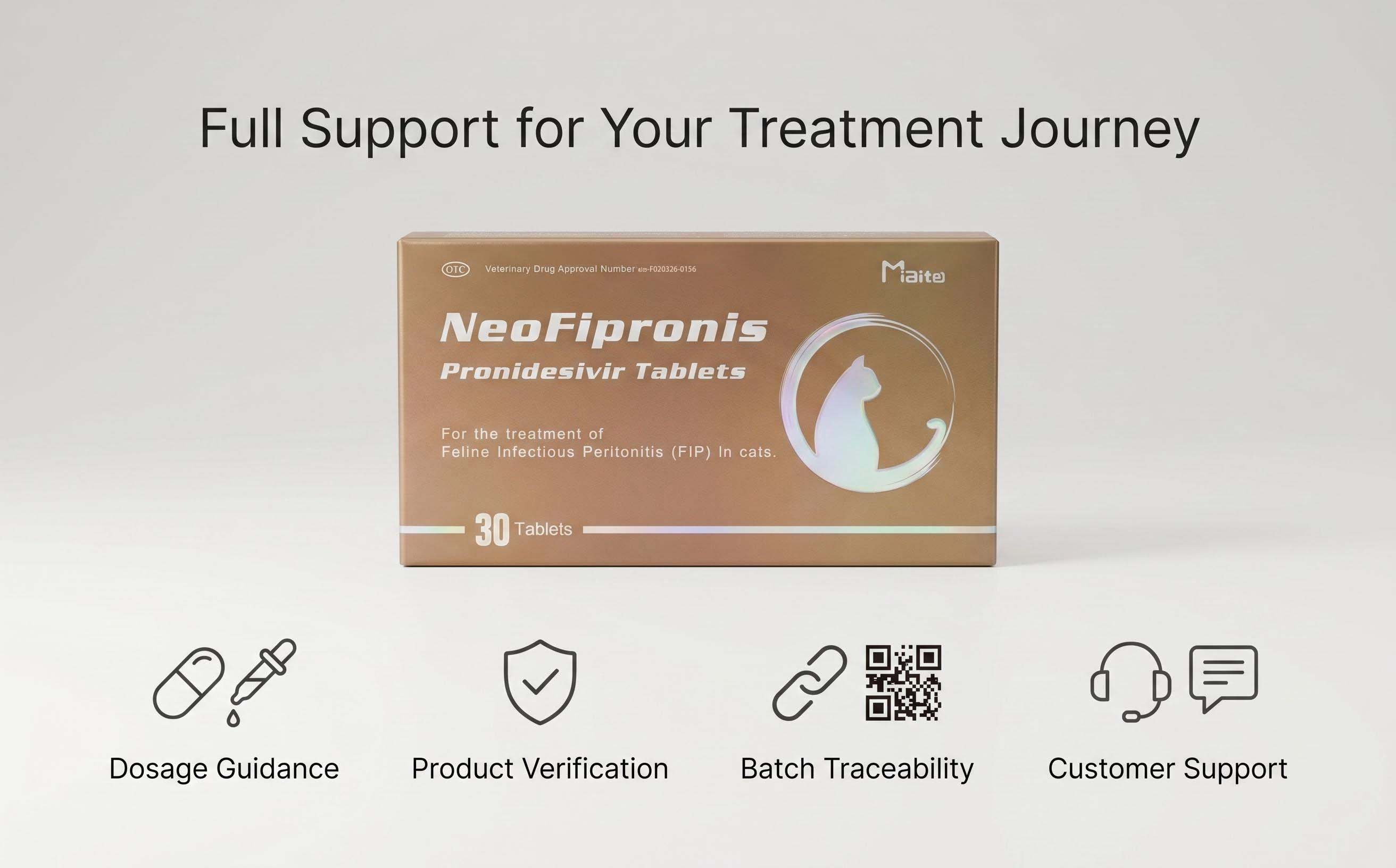
NeoFipronis, though available as an over-the-counter product, should ideally be used under veterinary guidance to ensure safety and dosage accuracy. The medication is formulated for feline use only and should not be given to humans. Proper storage and purchasing from official sources via the NeoFipronis website ensure product authenticity and quality.
Conclusion
While NeoFipronis (GS-441524) provides a highly effective solution for feline FIP, remaining vigilant about potential side effects is vital. Early detection and appropriate veterinary intervention can significantly improve your cat’s chances of recovery while minimizing complications. Always adhere to the prescribed treatment plan, and seek professional advice promptly if any adverse reactions occur to ensure your pet’s health and safety.