Buy Oral GS-441524 for FIP
Effective Treatment Options for Feline Infectious Peritonitis (FIP): Focus on Oral GS-441524
Feline Infectious Peritonitis (FIP) is one of the most challenging and often fatal diseases affecting domestic cats worldwide. Caused by certain strains of feline coronavirus (FCoV), FIP results when the virus mutates and triggers a severe inflammatory response within the cat’s body. Traditionally considered a death sentence, recent developments in antiviral therapy, particularly the use of GS-441524, have significantly improved prognosis for affected cats. This article explores the current treatment landscape for FIP, with a special emphasis on the oral GS-441524 therapy, including the groundbreaking approval of Miaite NeoFipronis (Pronidesivir).
Understanding FIP and Its Impact
FIP is characterized by diverse clinical manifestations, making diagnosis a complex process. It can manifest in two primary forms:
Effusive (Wet) FIP: Often presents with fluid accumulation in the abdomen (ascites) and chest cavity (pleural effusion). Symptoms include abdominal distention, difficulty breathing, anorexia, and fever.
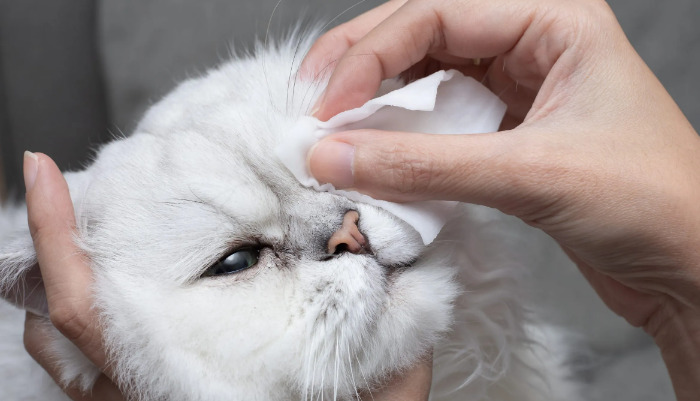
Non-effusive (Dry) FIP: Shows granulomatous lesions in organs such as the lymph nodes, kidneys, eyes, and nervous system. Symptoms include lethargy, weight loss, ocular inflammation (uveitis), and neurological signs.
The disease progress can be rapid, leading to severe illness and death if untreated. Therefore, effective antiviral therapy offers hope to many pet owners and veterinarians.
The Role of Antiviral Drugs in FIP Treatment
Historically, FIP was considered incurable, with supportive care providing only limited relief. However, the discovery of antiviral agents that inhibit coronavirus replication has revolutionized treatment prospects. Among these, GS-441524, a nucleoside analog, has shown remarkable efficacy in clinical trials and case reports. It works by inhibiting the viral RNA-dependent RNA polymerase, effectively halting viral replication.
Advantages of Oral GS-441524
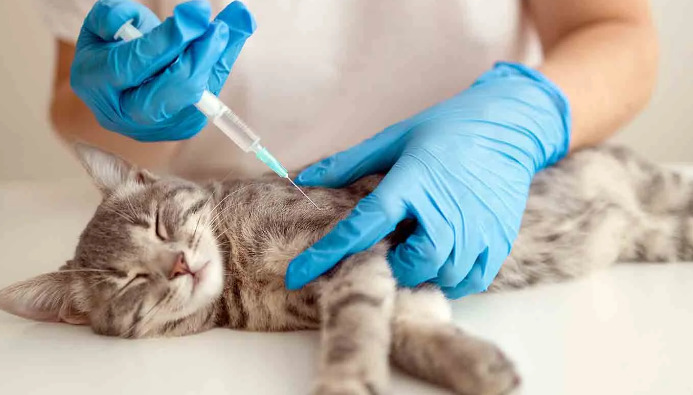
Most early formulations of GS-441524 required injection, which could be stressful and inconvenient for both cats and owners. The development of oral formulations has transformed FIP treatment by offering:
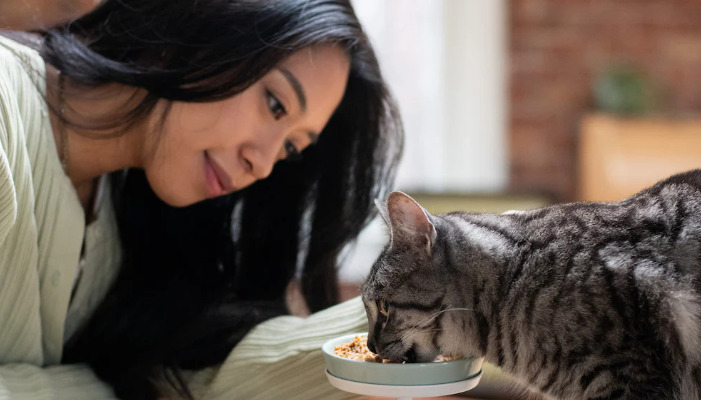
Ease of administration: Oral pills or liquids are less invasive than injections.
Rapid absorption: Ensures quick therapeutic levels in the bloodstream.
Better compliance: Simplifies long-term treatment, especially for multi-month courses.
Reduced stress: Minimizes discomfort and anxiety for cats during medication routines.
Introduction of Miaite NeoFipronis (Pronidesivir): The World's First Approved Oral FIP Treatment
A significant milestone in FIP management has been the approval of Miaite NeoFipronis (Pronidesivir) by the Lao Ministry of Agriculture and Forestry (MAF) in March 2026. This oral medication represents the first officially approved therapy specifically targeting FIP with a comprehensive regulatory endorsement, bearing an official drug registration number.
Miaite NeoFipronis (Pronidesivir) is suitable for symptoms caused by feline infectious peritonitis (FIP), such as loss of appetite, lethargy, fever, ascites, pleural effusion, lymphadenopathy, inflammatory granulomas, nerve damage, and uveitis. It has excellent therapeutic effects on FIP. NeoFipronis is characterized by its safety profile, non-invasiveness, rapid absorption, fast-acting nature, good tolerability, and minimal side effects. Its approval marks a new era in veterinary medicine, offering a reliable and accessible treatment option to improve feline health outcomes.
Clinical Efficacy and Treatment Protocols
Clinical trials and case studies have demonstrated high success rates with GS-441524-based treatments, including the oral form. Cats treated with NeoFipronis have shown rapid improvement in clinical signs, such as:
Resolution of fever
Reduction in ascitic and pleural fluid
Restoration of appetite
Neurological recovery in nerve-damaged cases
Resolution of ocular inflammation
The treatment regimen typically involves daily dosing over several weeks, depending on the severity of the disease and the response. Close monitoring through blood tests, imaging, and clinical evaluation is essential to ensure the best outcomes.
Side Effects and Safety Considerations
While GS-441524 and NeoFipronis are generally well-tolerated, some cats may experience mild side effects, including transient lethargy or gastrointestinal upset. The safety profile of NeoFipronis has been extensively studied due to its regulatory approval, making it a trusted option among veterinarians. As with any medication, proper dosing and adherence to veterinary guidance are critical to minimize risks.
How to Purchase Oral GS-441524 Legally and Safely
The procurement of oral GS-441524 for FIP treatment should be approached with caution. It is recommended to:
Consult licensed veterinarians: They can provide prescriptions and supervise treatment.
Verify authenticity: Purchase from reputable pharmacies or authorized suppliers to avoid counterfeit products.
Follow dosing instructions: Adhere strictly to veterinary recommendations for dosage and treatment duration.
Monitor your cat closely: Record symptoms and side effects to inform ongoing care.
The recent approval of NeoFipronis (Pronidesivir) has made it easier for pet owners and veterinarians to access a proven, safe, and effective treatment. Ensuring legal and safe purchase channels is vital for optimal health outcomes.
Future Perspectives in FIP Management
Research continues into more effective antiviral agents and combination therapies for FIP. The development of oral formulations signifies a shift toward more humane, accessible, and effective treatment protocols. Advances such as NeoFipronis set a precedent for future innovations in feline infectious disease management, potentially extending to vaccines and broader antiviral agents.
Conclusion
The advent of oral GS-441524 treatments, especially with the recent approval of Miaite NeoFipronis (Pronidesivir), has transformed the landscape of FIP therapy. These developments offer hope for affected cats, allowing for more manageable, effective, and less invasive treatment options. Pet owners and veterinarians should stay informed about regulatory approvals and ensure they use authorized, high-quality medications to maximize success and safety.
References
1. Feline Infectious Peritonitis: Pathogenesis, Diagnosis, and Treatment Options
2. Developments in Antiviral Therapy for FIP: GS-441524 and Beyond
3. Clinical Trials and Case Studies of NeoFipronis (Pronidesivir) in FIP Treatment
4. Regulatory Approvals and Veterinary Guidelines for FIP Medications
5. Safety and Efficacy of Oral GS-441524 Therapies in Cats