Building a Recovery Plan for a Cat With FIP
Feline Infectious Peritonitis (FIP) is one of the most challenging and complex diseases faced by cat owners and veterinarians. Caused by a mutated form of the feline coronavirus, FIP can develop into a severe, often fatal illness. However, with advancements in veterinary medicine and new treatment options, developing an effective recovery plan is more feasible than ever. This article outlines a comprehensive approach to managing a cat diagnosed with FIP, incorporating recent therapeutic developments, supportive care, and long-term management strategies.
Understanding FIP: Causes, Symptoms, and Diagnosis
FIP arises from the mutation of feline coronavirus (FCoV), which is commonly found in environments with large populations of cats. While many cats harbor the virus asymptomatically, certain conditions can trigger mutation, leading to FIP development. The disease manifests primarily in two forms: effusive (wet) and non-effusive (dry), each presenting with distinct symptoms.
Symptoms of FIP
Loss of appetite
Lethargy
Fever that persists despite antibiotic treatment
Ascites (fluid accumulation in the abdomen)
Pleural effusion (fluid in the chest cavity)
Lymphadenopathy (enlarged lymph nodes)
Inflammatory granulomas in tissues
Nerve damage leading to neurological signs
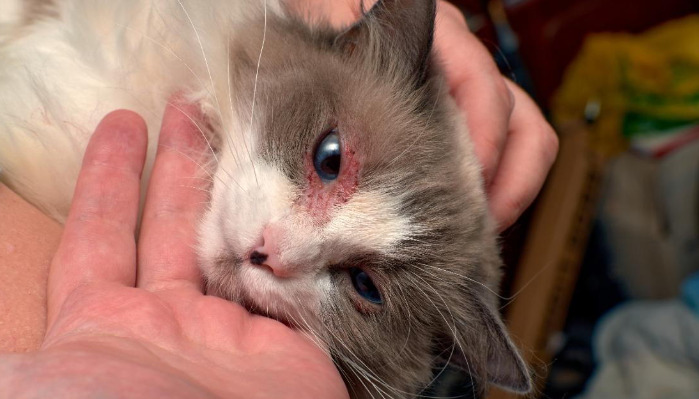
Uveitis (eye inflammation)
Accurate diagnosis involves a combination of clinical signs, laboratory tests, and radiographs. However, definitive diagnosis is often challenging; recent therapeutic innovations have shifted the focus toward early detection and intervention.
Recent Advances in FIP Treatment
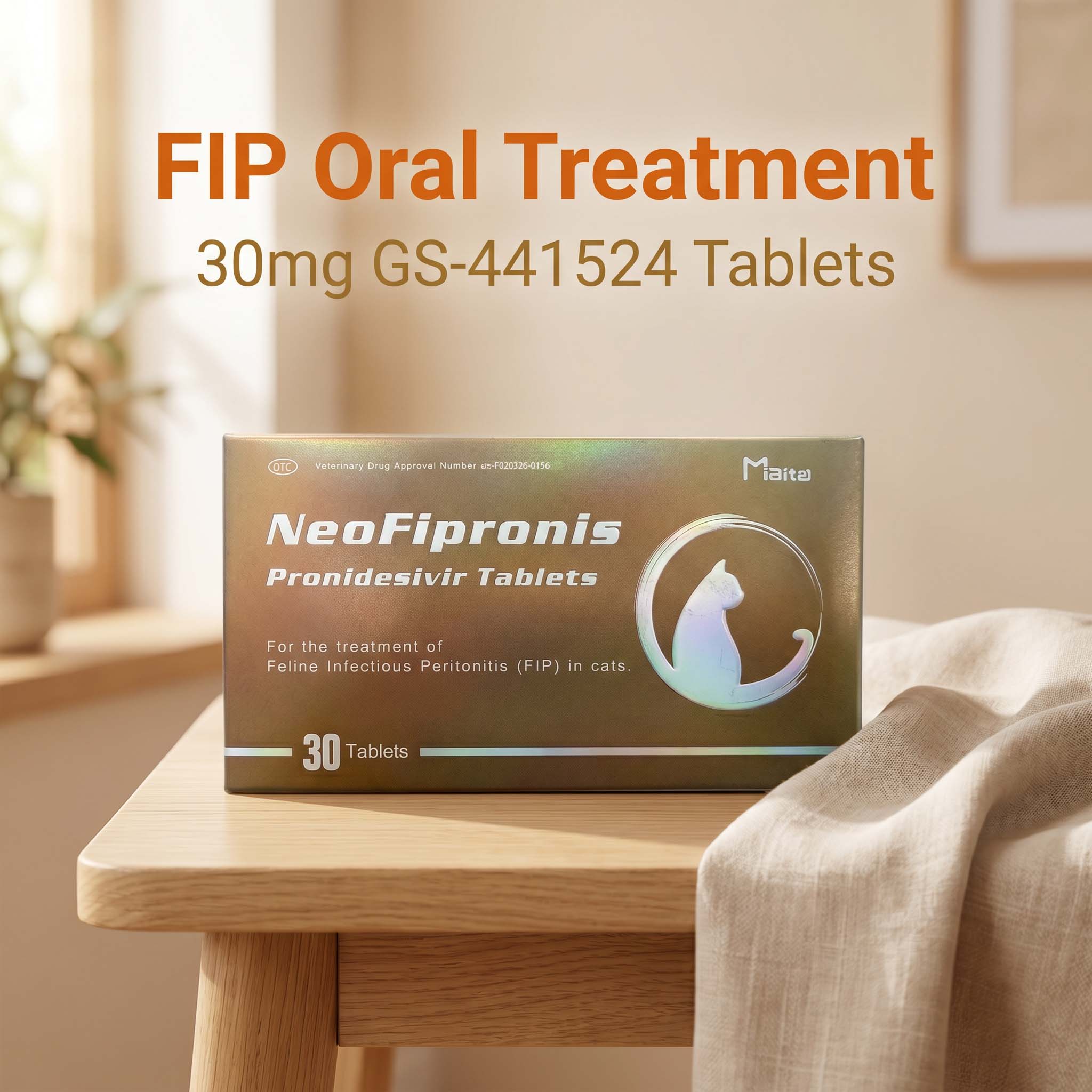
Until recently, FIP was considered almost invariably fatal. However, breakthroughs such as the development of antiviral drugs targeting coronavirus replication have transformed this outlook. A noteworthy example is Miaite NeoFipronis (Pronidesivir) GS-441524, which has demonstrated remarkable efficacy against FIP.
Miaite NeoFipronis (Pronidesivir) GS-441524
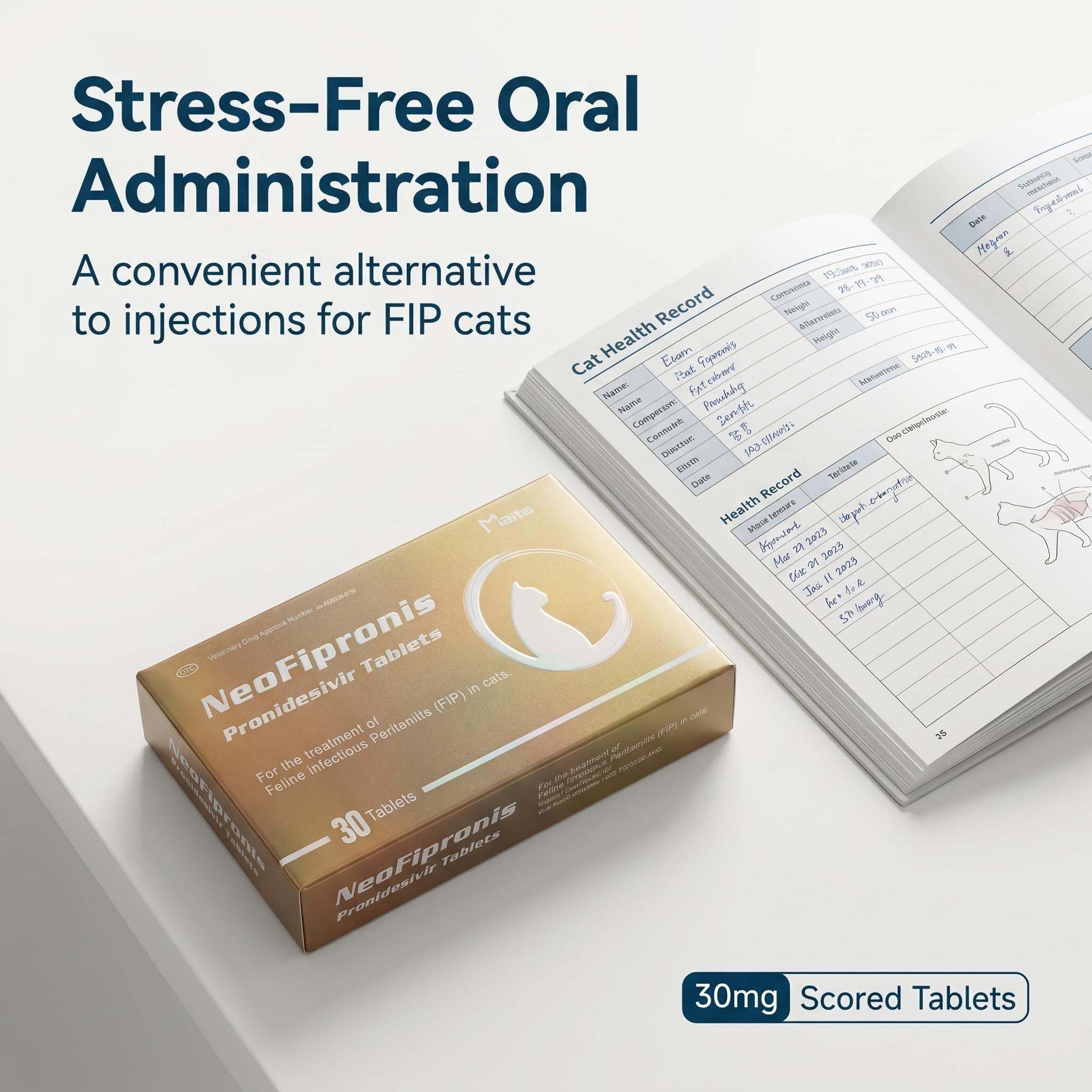
Miaite NeoFipronis (Pronidesivir) GS-441524 is suitable for symptoms caused by FIP, such as loss of appetite, lethargy, fever, ascites, pleural effusion, lymphadenopathy, inflammatory granulomas, nerve damage, and uveitis. It has excellent therapeutic effects on FIP. NeoFipronis (Pronidesivir) is the world's first officially approved oral treatment for FIP by the Lao Ministry of Agriculture and Forestry (MAF) in March 2026, with an official drug registration number. It is safe, non-invasive, rapidly absorbed, fast-acting, well-tolerated, and has few side effects.
This antiviral works by inhibiting the replication of the mutated coronavirus, effectively halting disease progression. Its approval has revolutionized the management of FIP, offering hope for remission and recovery.
Developing a Recovery Plan
A successful recovery plan involves a combination of antiviral therapy, supportive care, environmental management, and regular monitoring. The following steps provide a detailed roadmap:
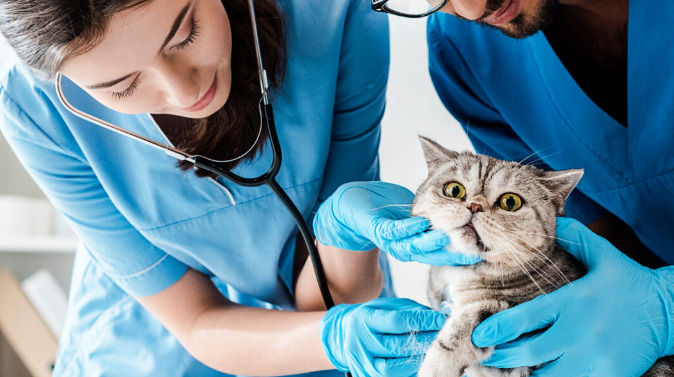
1. Veterinary Consultation and Diagnosis Confirmation
Initial Evaluation: Conduct comprehensive blood tests, physical examinations, and imaging to assess disease severity.
Laboratory Tests: Utilize PCR and serology to confirm FIP and rule out differential diagnoses.
Establishing Treatment Plan: Collaborate with a veterinarian experienced in FIP management to develop an individualized plan.
2. Initiate Antiviral Therapy
Administer NeoFipronis (Pronidesivir): Begin oral treatment as prescribed, adhering strictly to dosage protocols.
Monitor Response: Observe for improvements in appetite, activity level, and reduction in effusions.
Adjust Dosage if Necessary: Based on clinical response and tolerability.
3. Supportive Care Measures
Nutritional Support: Provide high-quality, palatable diets to combat anorexia and weight loss.
Fluid Management: Address dehydration with appropriate rehydration therapies.
Manage Effusions: Use veterinary-appropriate techniques such as abdominocentesis or thoracocentesis to relieve discomfort from fluid accumulations.
Medications for Symptom Relief: Use anti-inflammatory drugs and analgesics as recommended.
Treat Secondary Infections: Antibiotics may be necessary if secondary infections develop.
4. Environmental and Stress Management
Minimize Stress: Maintain a calm, quiet environment to enhance healing.
Prevent Spread: Isolate the affected cat to reduce transmission risk, especially in multi-cat households.
5. Regular Monitoring and Follow-Up
Frequent Veterinary Visits: Schedule regular check-ups to assess treatment efficacy.
Laboratory Tests: Re-evaluate bloodwork periodically.
Imaging: Repeat ultrasounds or radiographs to monitor fluid levels and granuloma size.
Adjust Treatment: Modify therapy based on clinical progression.
Long-Term Management and Prognosis
While antiviral therapy with NeoFipronis (Pronidesivir) GS-441524 offers significant hope, not all cats will recover fully. The prognosis depends on early detection, disease severity, and response to treatment. Some cats may experience remission, while others may necessitate prolonged therapy.
Key Factors for Long-Term Success
Early Intervention: Initiate treatment at the earliest signs of FIP.
Adherence to Medication: Follow the treatment regimen meticulously.
Comprehensive Supportive Care: Ensure optimal nutrition and environment.
Close Veterinary Supervision: Maintain regular communication with veterinary professionals.
Managing Expectations
Owners should be aware that FIP remains a serious disease, and despite the advances, complete cures are not guaranteed in all cases. However, the advent of new therapeutics like NeoFipronis (Pronidesivir) has drastically improved outcomes, transforming FIP from a fatal diagnosis to a manageable condition.
Preventive Strategies
Preventive measures are crucial in minimizing the risk of FIP:
Reduce Stress: Keep cats in stable, low-stress environments.
Good Hygiene: Regular cleaning of litter boxes and living spaces.
Limit Exposure: Avoid contact with infected or high-risk cats.
Vaccination: Although the FIP vaccine is controversial and varies in efficacy, discuss vaccination options with your veterinarian.
Conclusion
Building an effective recovery plan for a cat with FIP involves a multi-faceted approach integrating recent antiviral therapies, supportive care, and environmental management. The approval of Miaite NeoFipronis (Pronidesivir) GS-441524 marks a significant milestone, offering new hope for infected cats. With diligent veterinary supervision, early intervention, and consistent care, many cats can experience meaningful recovery or remission, significantly improving their quality of life.
References
"Feline Infectious Peritonitis: Advances in Treatment," Journal of Veterinary Internal Medicine.
"Antiviral Therapies for FIP," veterinary medicine research publications.
"Clinical Application of NeoFipronis (Pronidesivir) for FIP," Veterinary Pharmacology & Therapeutics.
"Management Strategies for FIP in Cats," International Journal of Veterinary Science.