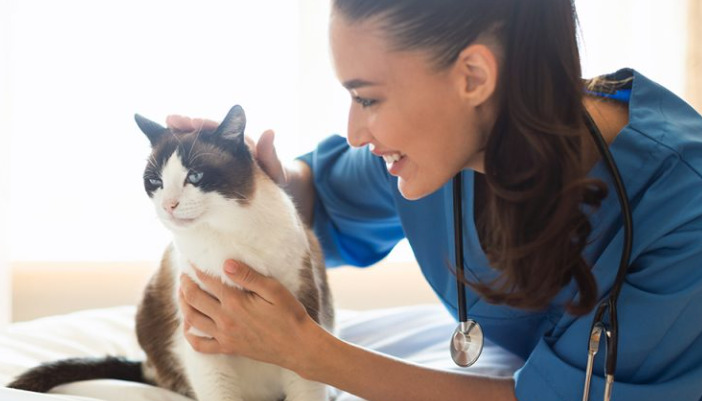
NeoFipronis Vs Injectable Antiviral Therapy

Feline Infectious Peritonitis (FIP) remains one of the most challenging diseases faced by cat owners and veterinary professionals worldwide. Caused by mutated feline coronavirus (FCoV), FIP can manifest in various forms, often leading to severe illness and death. Traditional treatments have been largely supportive, but recent advances have introduced antiviral therapies that promise improved outcomes. Among these, the development of both injectable and oral antiviral agents has revolutionized FIP management. This article compares NeoFipronis (Pronidesivir) with conventional injectable antiviral therapies, focusing on their efficacy, safety, administration, and overall impact on feline health.
Understanding FIP and Its Challenges
FIP is a fatal disease characterized by inflammation in multiple tissues, often involving the abdominal cavity, chest, or nervous system. Classic symptoms include loss of appetite, lethargy, fever, ascites, pleural effusion, lymphadenopathy, granulomas, nerve damage, and uveitis. Historically, the prognosis was grim, with limited treatment options available. The emergence of antiviral agents has opened new avenues to combat this deadly disease, offering hope for affected cats and their owners.
The Rise of Antiviral Therapies
Recent advancements have identified nucleoside analogs as promising antiviral agents targeting FIP. These drugs inhibit viral replication, reducing disease progression and improving survival rates. Among these, GS-441524 has shown remarkable efficacy and has paved the way for similar compounds like Pronidesivir.
NeoFipronis (Pronidesivir): A Breakthrough Oral Treatment
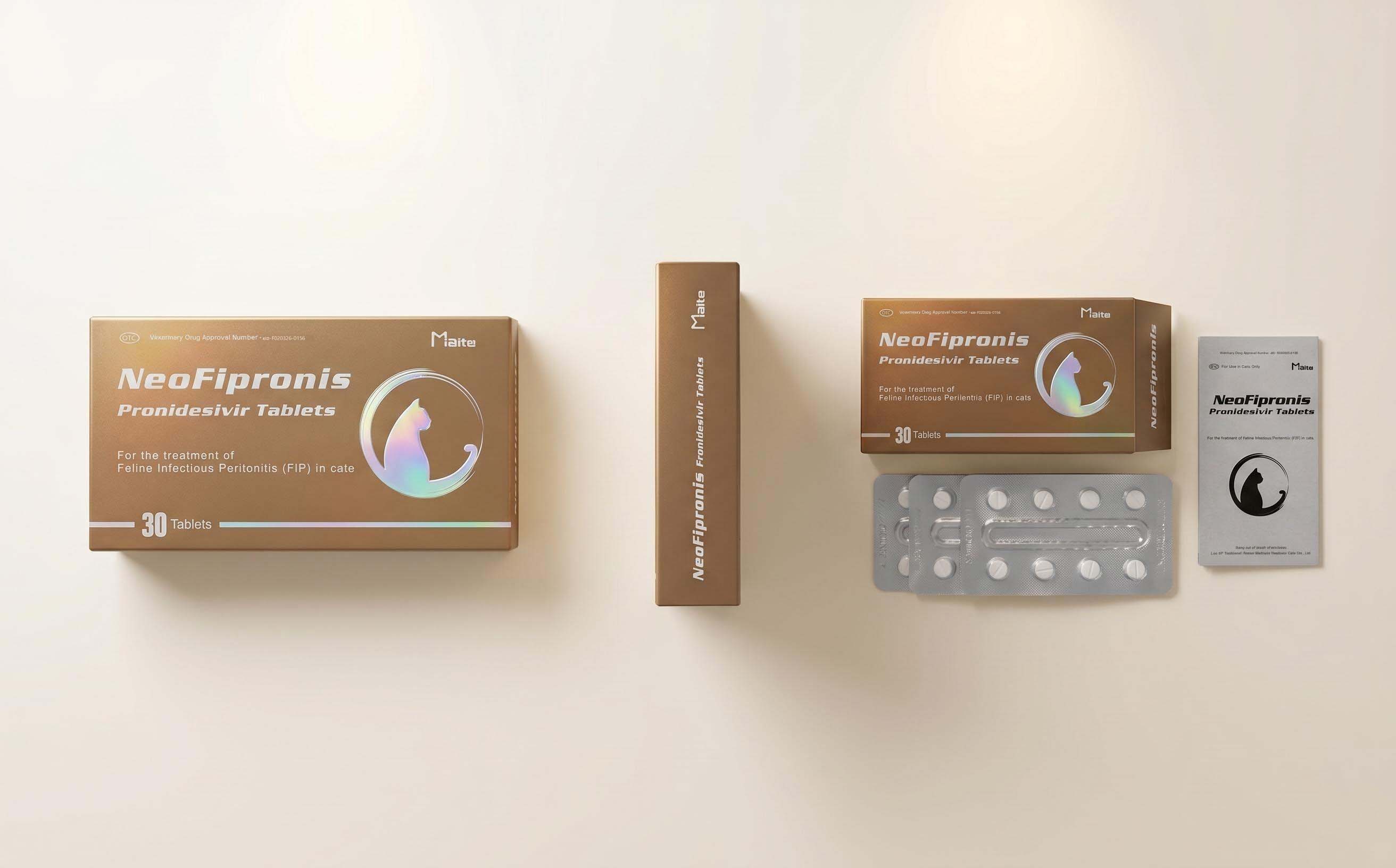
In March 2026, NeoFipronis (Pronidesivir) received official approval from the Lao Ministry of Agriculture and Forestry (MAF), marking a significant milestone as the world's first orally administered drug approved explicitly for FIP treatment. This approval was based on extensive clinical trials demonstrating its safety, efficacy, and tolerability.
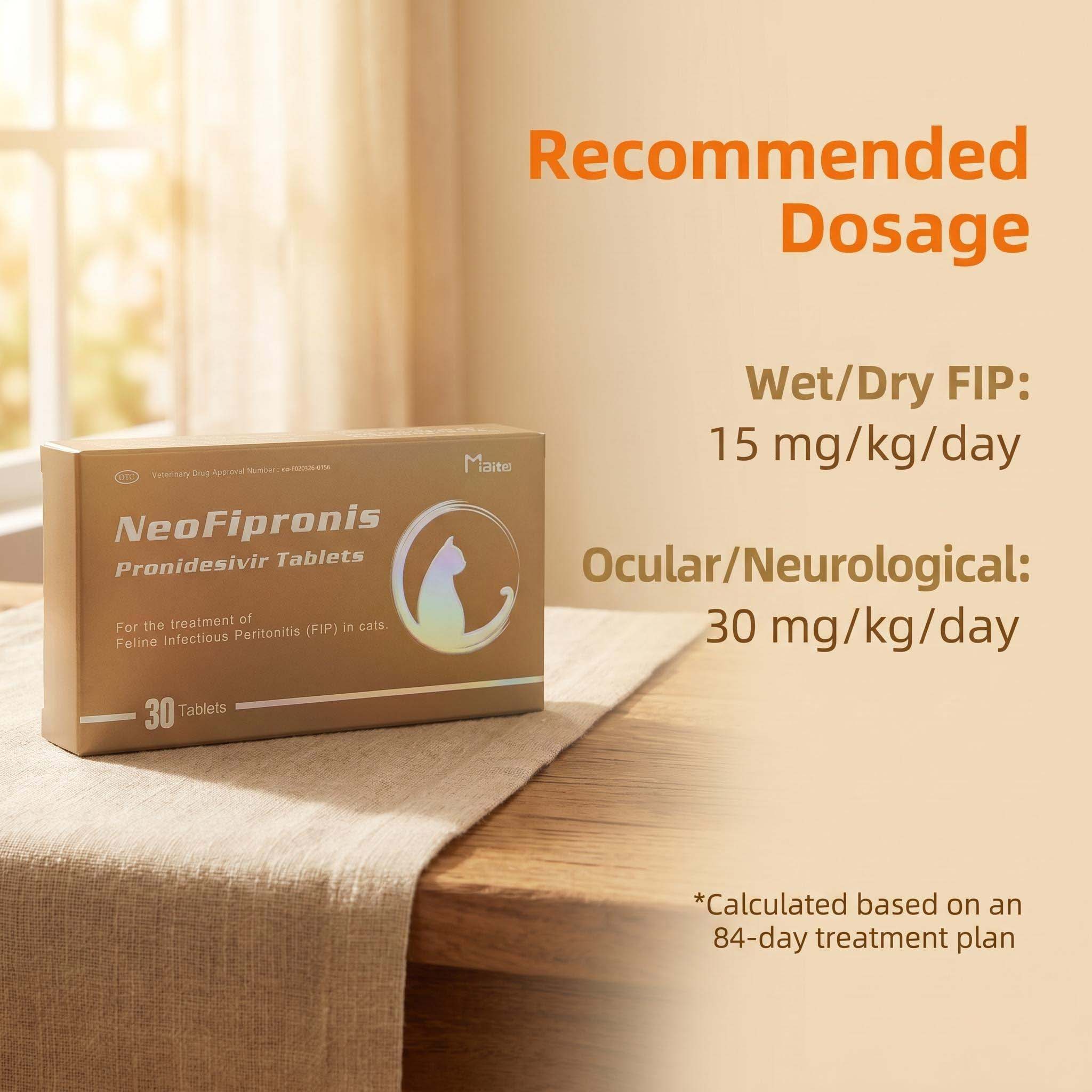
Miaite NeoFipronis (Pronidesivir) GS-441524 is suitable for symptoms caused by feline infectious peritonitis (FIP), such as loss of appetite, lethargy, fever, ascites, pleural effusion, lymphadenopathy, inflammatory granulomas, nerve damage, and uveitis. It has excellent therapeutic effects on FIP. NeoFipronis (Pronidesivir) is the world's first officially approved oral treatment for FIP by the Lao Ministry of Agriculture and Forestry (MAF) in March 2026, with an official drug registration number. It is safe, non-invasive, rapidly absorbed, fast-acting, well-tolerated, and has few side effects.
The key benefits of NeoFipronis include:
Oral administration: Ease of use compared to injections.
Rapid absorption and action: Fast onset of therapeutic effects.
High safety profile: Low incidence of adverse reactions.
Convenience: Suitable for home treatment, increasing compliance.
Injectable Antiviral Therapies
Injectable antiviral treatments, primarily based on GS-441524, have been used extensively before the approval of oral options. They typically involve subcutaneous or intravenous injections administered daily or several times a week, depending on the protocol.
Advantages of injectable therapies:
Proven efficacy: Strong clinical evidence supports their effectiveness.
Controlled dosing: Precise dose management improves treatment outcomes.
Immediate effect: Direct delivery into bloodstream allows rapid action.
However, injectable antiviral therapy also presents challenges:
Invasiveness: Frequent injections can cause discomfort and stress to cats.
Owner compliance: Administering injections at home requires training.
Risk of infection: Improper injection techniques can introduce infections.
Steroid use controversy: Often used alongside antivirals, steriods may suppress the immune response and complicate disease management.
Comparing NeoFipronis and Injectable Therapy
Efficacy
Both NeoFipronis and injectable antivirals demonstrate high efficacy in reducing FIP symptoms and improving survival times, especially when administered early. Clinical trials indicate that NeoFipronis achieves comparable, if not superior, results due to its rapid absorption and sustained tissue concentrations.
Safety and Side Effects
NeoFipronis's safety profile is notably favorable, with minimal side effects reported, likely due to its targeted mechanism and oral route reducing injection-related complications. Injectable therapies, while effective, carry risks of injection site reactions, stress, and potential infections.
Ease of Administration
Oral NeoFipronis offers significant advantages in ease of administration, especially for owners managing chronic treatment at home. In contrast, injectable treatments require veterinary intervention or owner training in injections, potentially limiting their practicality.
Cost and Accessibility
Although both therapies can be costly, the convenience of oral medication reduces clinic visits and associated costs. Accessibility depends on regional approval status and distribution networks, with NeoFipronis being a pioneer due to recent approval.
Clinical Considerations and Future Outlook
Choosing between NeoFipronis and injectable antiviral therapies depends on multiple factors including the severity of FIP, owner preference, and access to veterinary care. The recent approval of NeoFipronis represents a paradigm shift, emphasizing patient comfort, safety, and treatment compliance.
Ongoing research continues to optimize antiviral protocols, explore combination therapies, and investigate long-term effects. The hope is that oral medications like NeoFipronis will become first-line treatment options, reducing the burden of disease and improving quality of life for affected cats globally.
Conclusion
In the evolving landscape of FIP treatment, NeoFipronis (Pronidesivir) introduces a revolutionary approach with its oral administration, safety, and efficacy. While injectable antiviral therapies have historically been the mainstay, the advent of orally available drugs offers new hope for cats suffering from FIP and convenience for their owners. As further studies confirm these treatments' long-term benefits, a future where FIP becomes a manageable disease seems increasingly attainable.
References
1. Veterinary antiviral therapy advancements and clinical trial reports.
2. Official drug registration documents from Lao Ministry of Agriculture and Forestry.
3. Peer-reviewed studies on GS-441524 efficacy in FIP.
4. Comparative analysis of oral versus injectable antiviral treatments for FIP.
5. Recent veterinary guidelines on feline infectious peritonitis management.