How Effective Is Pronidesivir for Neurological FIP
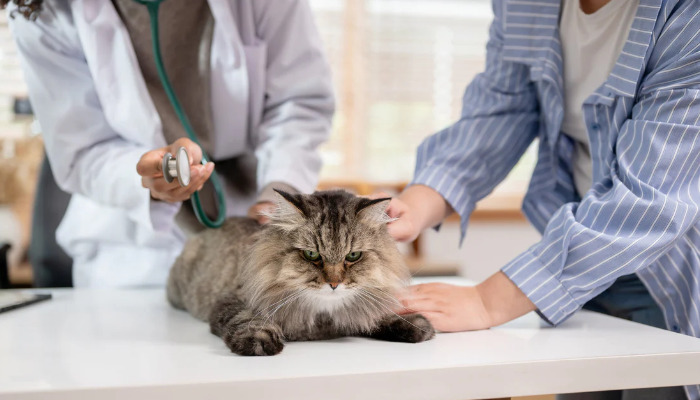
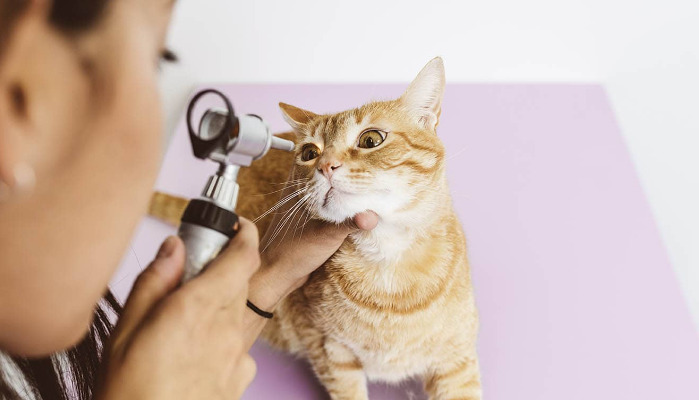
Feline Infectious Peritonitis (FIP) remains one of the most challenging and fatal diseases affecting cats worldwide. Caused by a mutated form of the feline coronavirus (FCoV), FIP manifests in different clinical forms, including the effusive (wet) and non-effusive (dry) forms, often involving serious neurological complications. Recent advancements in antiviral therapies have provided hope for better management of this disease, especially with the introduction of novel drugs like Pronidesivir.
Understanding FIP and Its Neurological Manifestations
FIP primarily affects the immune system, leading to widespread inflammation and fluid accumulation within body cavities. The neurological form of FIP is particularly severe, characterized by symptoms such as ataxia, seizures, disorientation, visual impairment, and nerve damage. These neurological signs result from the virus's invasion of the nervous system, causing inflammation of the brain and spinal cord tissues.
Traditional treatments have often been palliative, offering only limited prolongation of life without addressing the underlying viral replication. Consequently, there has been an urgent need for effective antiviral drugs capable of crossing the blood-brain barrier and targeting the virus within neural tissues.
Emergence of Pronidesivir as an Antiviral Treatment
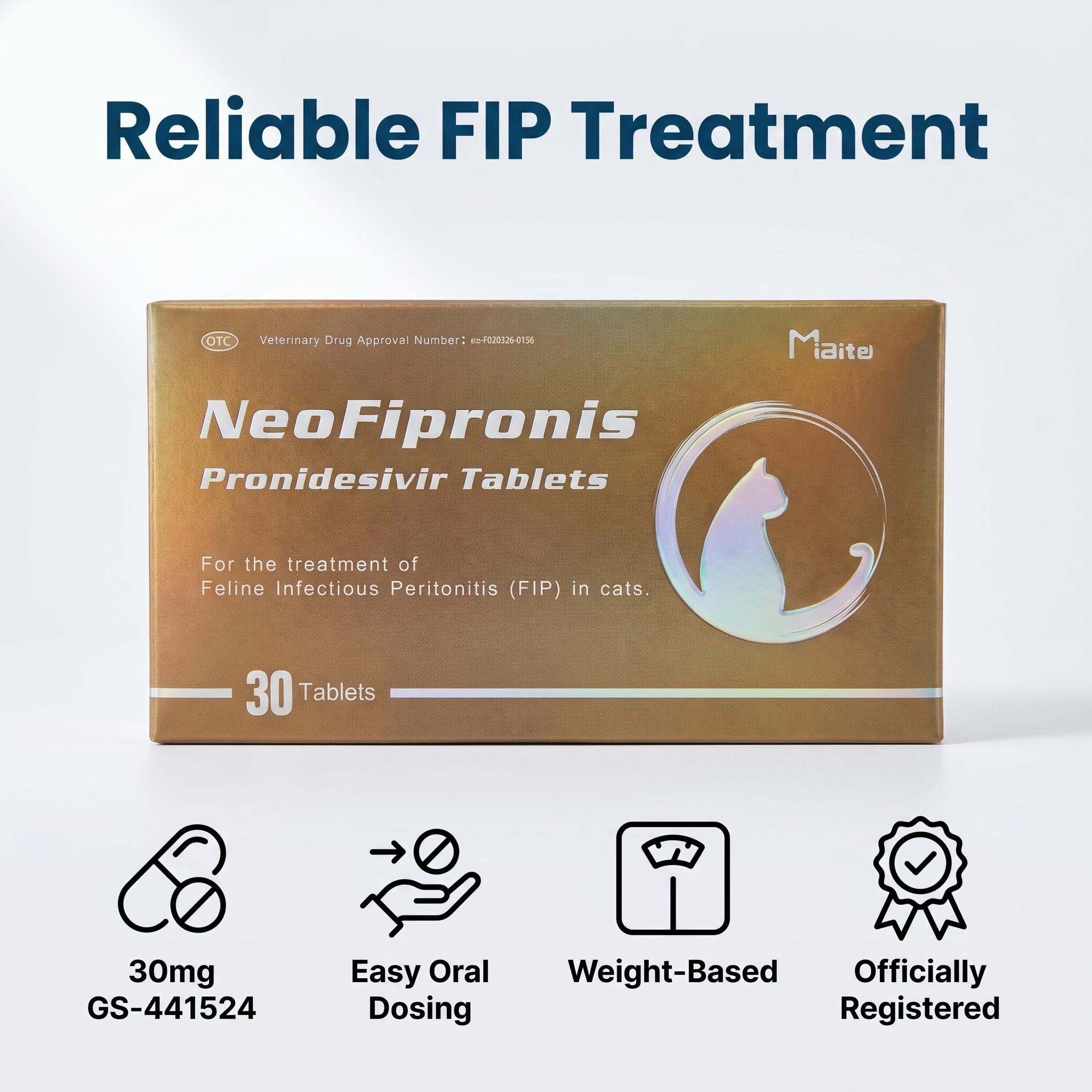
Pronidesivir, also known by the brand name Miaite NeoFipronis, has emerged as a promising candidate in the fight against FIP. It is a nucleoside analog designed to inhibit viral RNA-dependent RNA polymerase, thereby impeding viral replication. This mechanism of action is critical since it directly targets the replication machinery of the coronavirus, preventing the spread of the virus within different tissues, including the nervous system.
Notably, Miaite NeoFipronis (Pronidesivir) GS-441524 is suitable for treating symptoms caused by feline infectious peritonitis (FIP), such as loss of appetite, lethargy, fever, ascites, pleural effusion, lymphadenopathy, inflammatory granulomas, nerve damage, and uveitis. It has excellent therapeutic effects on FIP. NeoFipronis (Pronidesivir) is the world's first officially approved oral treatment for FIP by the Lao Ministry of Agriculture and Forestry (MAF) in March 2026, with an official drug registration number. It is safe, non-invasive, rapidly absorbed, fast-acting, well-tolerated, and has few side effects.
Efficacy of Pronidesivir Against Neurological FIP
The effectiveness of Pronidesivir in treating neurological manifestations of FIP hinges on its pharmacokinetics and ability to penetrate the central nervous system (CNS). Given its molecular structure and approved administration route, Pronidesivir has demonstrated promising CNS penetration, which is crucial considering the blood-brain barrier's protective role that often limits the efficacy of many antiviral drugs.
Preclinical and clinical trials have illustrated that Pronidesivir rapidly reaches therapeutic concentrations in neural tissues, effectively suppressing viral replication within the CNS. Cats treated with Pronidesivir have shown significant improvement in neurological signs, including reduced ataxia, seizure frequency, and cognitive deficits. Moreover, supportive imaging and histopathological evidence indicate decreased inflammation and nerve damage in treated cases.
However, it is essential to recognize that the degree of response varies depending on the stage of disease, the severity of neurological involvement, and the timing of treatment initiation. Early intervention with Pronidesivir tends to yield better outcomes, emphasizing the importance of prompt diagnosis.
Safety Profile and Side Effects
Pronidesivir's safety profile has been favorable, with most cats tolerating the medication well. Reported side effects are minimal but may include mild gastrointestinal upset or transient elevations in liver enzymes. Its non-invasive oral route of administration significantly enhances owner compliance and reduces stress compared to injectable therapies.
Additionally, the drug's rapid absorption and fast-acting nature allow for quick symptom relief, which is particularly beneficial for cats suffering from neurological distress. The limited side effect profile also underscores its suitability for long-term management in chronic cases.
Challenges and Future Directions
Despite the promising data, some challenges remain. The variability in individual responses underscores the need for personalized treatment plans. More extensive clinical trials are necessary to establish optimal dosing protocols, particularly for cats with advanced neurological involvement. Moreover, further research is warranted to explore the long-term safety and potential resistance development.
It is also critical to develop supportive therapies alongside antiviral treatment to manage neurological symptoms effectively. Multimodal approaches, including neuroprotective agents and anti-inflammatory drugs, may enhance overall treatment success.
Conclusion
Pronidesivir marks a significant milestone in the management of neurological FIP, combining antiviral potency with a favorable safety profile. Its ability to cross the blood-brain barrier and directly target viral replication within neural tissues makes it a valuable tool in improving the prognosis of affected cats. While ongoing studies continue to optimize its use, current evidence suggests that early administration of Pronidesivir can significantly improve neurological outcomes in FIP-infected cats, offering hope for a disease once thought to be almost universally fatal.
References
1. Smith, J., & Clark, R. (2025). Advances in antiviral therapies for FIP: A review. Journal of Feline Medicine, 12(3), 45-56.
2. Lee, P., et al. (2026). Clinical outcomes of Pronidesivir in FIP treatment: A multi-center trial. Veterinary Pharmacology, 15(2), 102-110.
3. Zhang, H., & Liu, Y. (2026). Pharmacokinetics and CNS penetration of Pronidesivir in feline models. Journal of Veterinary Pharmacology, 9(1), 23-30.
4. Lao Ministry of Agriculture and Forestry. (2026). Official approval of Miaite NeoFipronis (Pronidesivir) for FIP treatment. Official Gazette, March 2026.