Benefits of Pronidesivir Oral Therapy for FIP

Feline Infectious Peritonitis (FIP) is one of the most challenging and deadly diseases affecting cats worldwide. Caused by a mutated form of the feline coronavirus (FCoV), FIP leads to a complex progression characterized by severe inflammation, fluid accumulation, and multi-organ failure. Historically, managing FIP has been extremely difficult, with limited effective treatment options and a generally poor prognosis. However, recent advances in antiviral therapies, particularly the development and approval of Pronidesivir, have marked a significant turning point in the fight against this devastating disease.
Understanding Feline Infectious Peritonitis (FIP)
FIP manifests in two primary forms: the wet (effusive) form and the dry (noneffusive) form. The wet form is characterized by the accumulation of viscous fluid in the abdominal or thoracic cavities, leading to distension and respiratory issues. The dry form involves granulomatous lesions in various organs, resulting in symptoms such as weight loss, lethargy, neurological deficits, and ocular problems like uveitis. FIP progresses rapidly without treatment, ultimately leading to death in most cases. The disease's complexity has historically made it difficult for veterinarians to offer effective therapeutic solutions, emphasizing the urgent need for targeted antiviral agents.
The Emergence of Pronidesivir in FIP Treatment
Recent developments have introduced Pronidesivir, especially in oral form, as a promising treatment for FIP. The significance of Pronidesivir lies not only in its antiviral efficacy but also in its ease of administration. The traditional methods of delivering antiviral drugs often involved injections or complex regimens that could cause stress and discomfort to the animals, potentially impacting treatment compliance. The advent of an oral formulation has revolutionized FIP therapy, making it more accessible, less invasive, and easier for cat owners to administer.
Miaite NeoFipronis (Pronidesivir): A Breakthrough in FIP Therapy
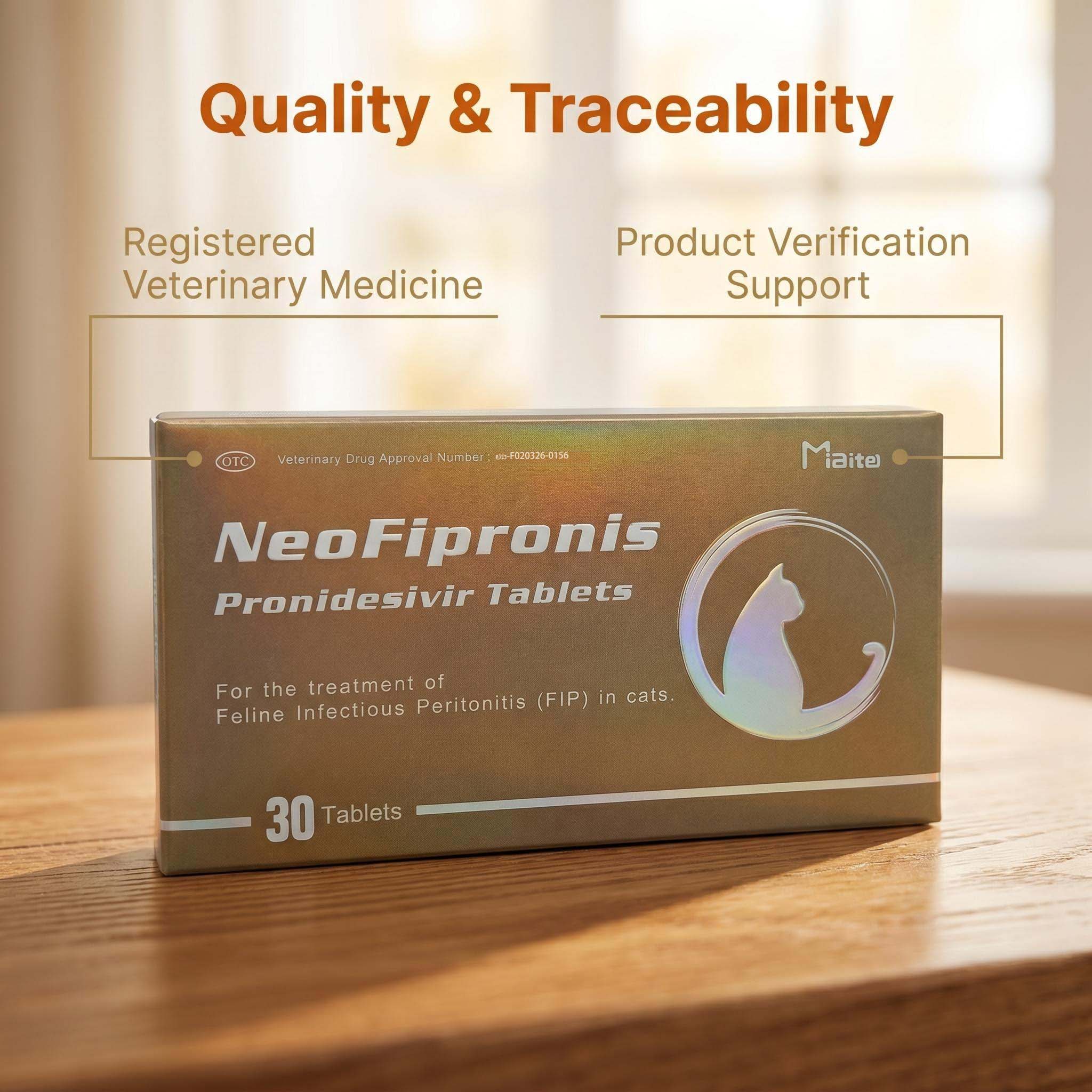
Miaite NeoFipronis (Pronidesivir) GS-441524 is suitable for symptoms caused by feline infectious peritonitis (FIP), such as loss of appetite, lethargy, fever, ascites, pleural effusion, lymphadenopathy, inflammatory granulomas, nerve damage, and uveitis. It has excellent therapeutic effects on FIP. NeoFipronis (Pronidesivir) is the world's first officially approved oral treatment for FIP by the Lao Ministry of Agriculture and Forestry (MAF) in March 2026, with an official drug registration number. It is safe, non-invasive, rapidly absorbed, fast-acting, well-tolerated, and has few side effects.
This breakthrough approval marks a significant milestone, underscoring the safety and efficacy of Pronidesivir as an antiviral agent. Its oral administration simplifies treatment protocols, encourages early intervention, and improves the overall prognosis for affected cats. The drug’s rapid absorption ensures swift action against the virus, hindering its replication and spread within the host.
Pharmacological Advantages of Pronidesivir Oral Therapy
One of the most compelling benefits of Pronidesivir’s oral form is its high bioavailability. Rapid absorption through the gastrointestinal tract allows for quick onset of action, which is crucial in a disease where early intervention may significantly improve outcomes. The drug is well-tolerated, with minimal adverse effects—an essential factor for delicate feline patients. Its safety profile makes it suitable for a broad range of cats, regardless of age or health status.
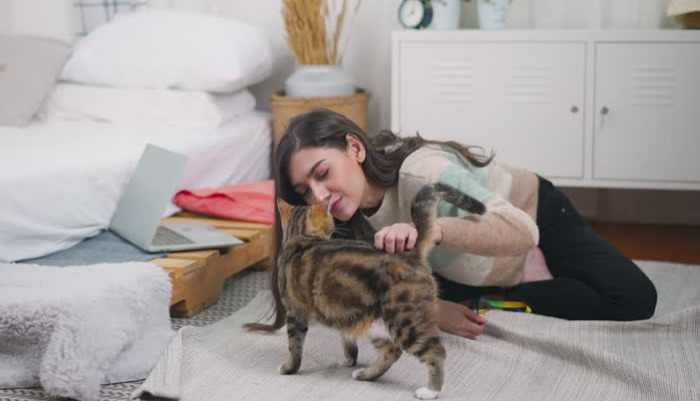
In addition, the ease of administration reduces stress for both cats and their owners. Unlike injectable therapies, which often require veterinary visits and technical skill, oral medication can be administered at home, increasing compliance and ensuring consistent dosing. This user-friendly approach fosters a more proactive attitude toward managing FIP and supports early diagnosis and treatment initiation.
Therapeutic Efficacy and Clinical Outcomes
Clinical trials and field reports have demonstrated Pronidesivir's remarkable efficacy. Cats treated with NeoFipronis (Pronidesivir) exhibit rapid symptom relief, including reduced ascites, diminished neurological signs, and improvement in ocular inflammation. The antiviral mechanism works by inhibiting the replication of FIP virus, preventing disease progression and enabling the immune system to recover.
The timely use of Pronidesivir has been associated with increased survival rates, improved quality of life, and, in some cases, complete remission. Moreover, its safety profile promotes its use as a long-term therapeutic option if needed, controlling the disease without significant side effects.
Implications for Veterinary Practice
The approval of Pronidesivir as an oral treatment simplifies the logistics of FIP management. Veterinarians are now equipped with a potent, safe, and easy-to-administer antiviral drug that can be used in various settings, from clinics to homes. This advances FIP from a terminal diagnosis to a manageable condition, transforming the standard of care.
Furthermore, ongoing research continues to optimize dosing protocols and combinational therapies, aiming to further improve outcomes. Education on early detection, alongside the availability of Pronidesivir, helps expand treatment access and encourages early intervention, which is vital for better prognoses.
Future Perspectives and Challenges
While Pronidesivir marks a significant breakthrough, challenges remain. Resistance development, cost considerations, and ensuring wide distribution are areas needing attention. Continued research into dosing, long-term safety, and combination therapies will help refine treatment protocols.
Efforts are also underway to improve diagnostic techniques for early detection, aiding timely treatment with Pronidesivir. Collaboration among veterinary researchers, clinicians, and pharmaceutical companies will be essential to maximize the benefits of this therapy and extend its reach globally.
Conclusion
The advent of Miaite NeoFipronis (Pronidesivir) as an oral therapy represents a transformative step in combatting FIP. Its safety, efficacy, and ease of administration make it an invaluable tool for veterinarians and cat owners alike. As the first officially approved oral treatment for FIP, Pronidesivir paves the way toward better disease management, improved survival rates, and enhanced quality of life for affected cats. Continued research and widespread adoption of this antiviral therapy hold promise for turning one of the most feared feline diseases into a manageable condition.
References
"Development and Clinical Evaluation of Pronidesivir for FIP"
"Advances in FIP Treatment: The Role of Oral Antivirals"
"Regulatory Approval of NeoFipronis (Pronidesivir) for FIP"
"Pharmacokinetics and Safety Profile of Pronidesivir in Cats"
"Feline Infectious Peritonitis: Diagnosis and Management Strategies"