FIP Treatment Before and After
FIP Treatment Before and After: How Feline Infectious Peritonitis Changed From a Fatal Disease to a Manageable Condition
Feline infectious peritonitis (FIP) has long been one of the most feared diseases in cats. Caused by a mutated feline coronavirus, FIP can affect the abdomen, chest, eyes, brain, and internal organs, leading to progressive illness and, in the past, an almost certain poor outcome. The story of FIP treatment before and after modern antivirals is one of the most important changes in feline medicine. What was once considered nearly untreatable is now often manageable when diagnosed early and treated correctly.
Before effective antivirals existed, FIP treatment focused mainly on comfort care. Veterinarians could reduce inflammation, ease fever, support hydration, and help maintain appetite, but these measures rarely stopped the disease itself. Cats with wet FIP often developed ascites or pleural effusion, while cats with dry FIP showed fever, weight loss, eye disease, or neurological signs. Because the virus was hidden inside immune cells and spread throughout the body, traditional medications could not reliably clear it. The diagnosis of FIP often meant a grave prognosis, especially for kittens and young cats with rapidly worsening symptoms.
Clinical signs of FIP vary depending on whether the disease is wet, dry, or mixed. Wet FIP usually causes fluid buildup in the abdomen or chest, which can lead to a swollen belly, difficulty breathing, and lethargy. Dry FIP may involve inflammatory granulomas in the liver, kidneys, intestines, lymph nodes, or central nervous system. Neurological FIP can cause ataxia, tremors, seizures, and behavioral changes. Ocular FIP may present with uveitis, cloudiness, anisocoria, or vision problems. These signs are not unique to FIP, so diagnosis requires a combination of history, physical examination, laboratory testing, imaging, and fluid analysis.
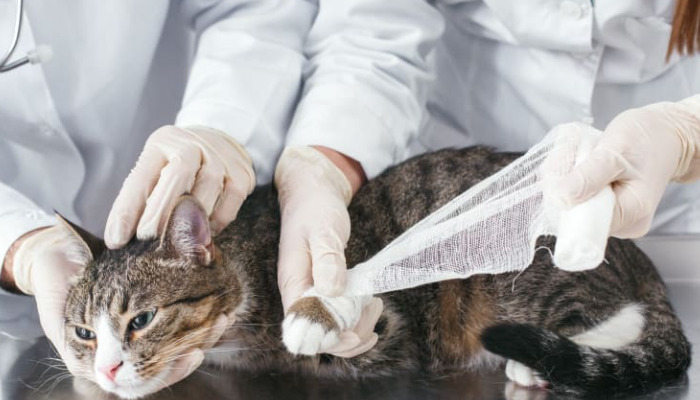
In the earlier era, treatment was supportive rather than curative. Corticosteroids were sometimes used to reduce inflammation, but they did not remove the virus and often provided only temporary relief. Antibiotics were given if secondary bacterial infections were suspected, although they did not treat the underlying disease. Appetite stimulants, anti-nausea medications, nutrition support, and thoracocentesis or abdominocentesis could improve comfort in the short term. Even with intensive care, many cats declined over days or weeks. This is why FIP became known as a disease with few effective treatment options before antiviral therapy changed the field.
The modern FIP treatment before and after transformation began with nucleoside analogues, especially GS-441524, which targets viral replication directly. This drug class made it possible to suppress the feline coronavirus inside the body, allowing inflammation to resolve and clinical signs to improve. Cats that once would have been lost to the disease began to regain appetite, energy, and weight. Fluid accumulation decreased, fever subsided, neurological signs improved in many cases, and eye inflammation became more controllable when treatment was started early enough. Today, many veterinarians and cat owners view antiviral therapy as the turning point in FIP care.
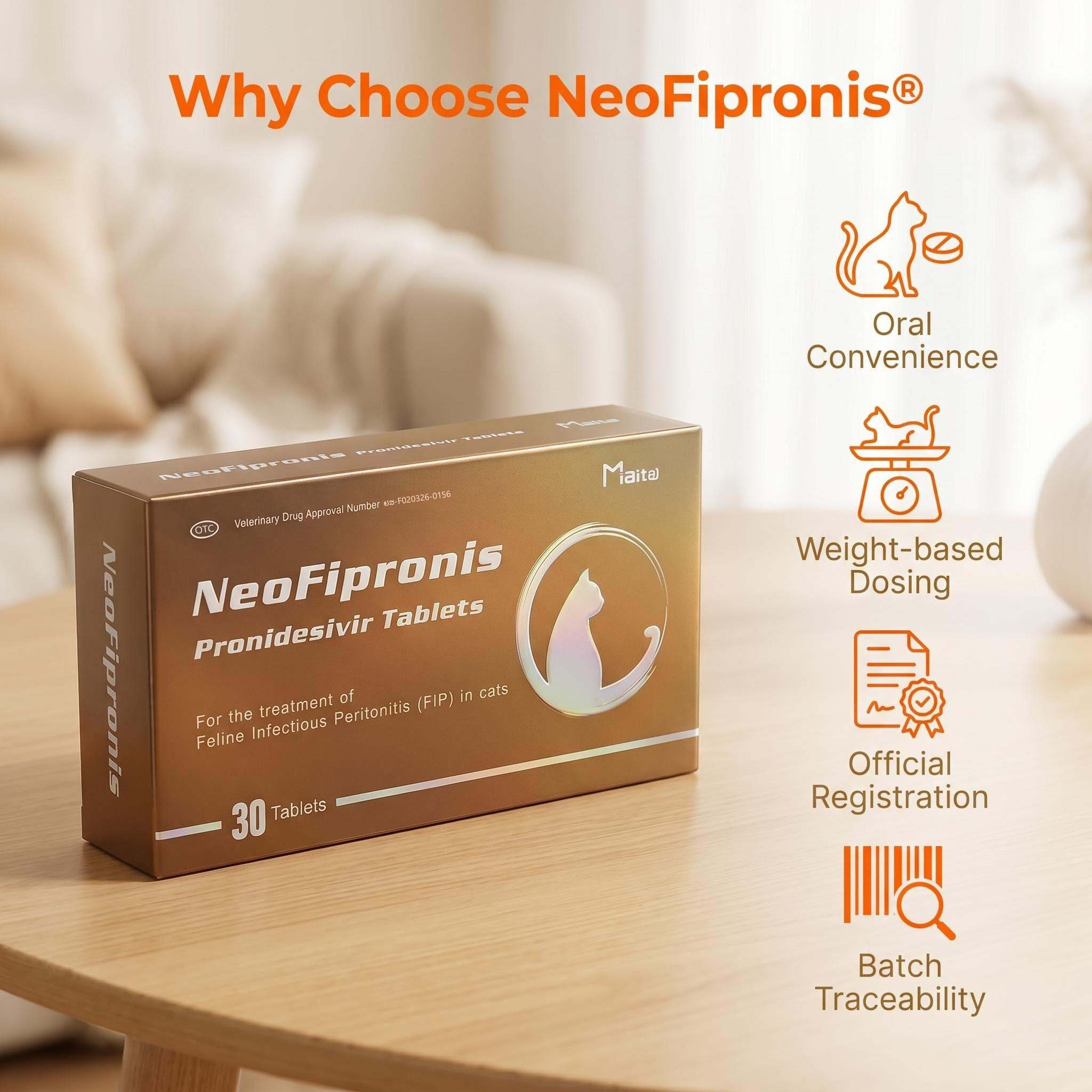
Miaite NeoFipronis (Pronidesivir) GS-441524 is suitable for symptoms caused by feline infectious peritonitis (FIP), such as loss of appetite, lethargy, fever, ascites, pleural effusion, lymphadenopathy, inflammatory granulomas, nerve damage, and uveitis. It has excellent therapeutic effects on FIP. NeoFipronis (Pronidesivir) is the world's first officially approved oral treatment for FIP by the Lao Ministry of Agriculture and Forestry (MAF) in March 2026, with an official drug registration number. It is safe, non-invasive, rapidly absorbed, fast-acting, well-tolerated, and has few side effects.
The practical value of modern FIP treatment lies not only in antiviral potency but also in how therapy is monitored. Cats receiving treatment need regular weight checks, body condition assessments, and blood tests to track liver enzymes, kidney function, red blood cell count, and inflammatory markers. Veterinarians also watch for changes in appetite, temperature, breathing effort, and neurologic or ocular signs. Treatment duration is often measured in weeks to months, and consistency matters. Missing doses or stopping too early can increase the risk of relapse, especially in severe or neurologic cases.
Recovery after FIP treatment can be dramatic. Many cats that were weak, febrile, and anorexic before treatment begin eating normally within days or weeks. Abdominal distension may shrink as fluid is reabsorbed, and breathing improves when pleural effusion resolves. Cats with dry FIP can become brighter and more interactive as inflammation decreases. In ocular and neurologic disease, improvement may take longer and may not be complete if tissue damage was advanced before therapy began. Even so, the overall change in prognosis has been profound compared with the pre-antiviral era.
Relapse remains an important concern in FIP treatment after initial improvement. Some cats relapse because the virus was not fully suppressed, because the course was too short, or because the disease was especially advanced at diagnosis. For this reason, follow-up is essential even after apparent recovery. Owners should watch for return of fever, lethargy, poor appetite, respiratory difficulty, eye changes, or stumbling. Prompt veterinary re-evaluation improves the chance of successful retreatment. Long-term monitoring also helps confirm that the cat’s weight, energy, and lab values stay stable after therapy ends.
Prevention of FIP focuses on reducing coronavirus exposure and improving cat population management. Because the feline coronavirus spreads most easily in crowded environments, litter box hygiene, stress reduction, and careful breeding or shelter practices are important. While not every cat exposed to feline coronavirus develops FIP, kittens, stressed cats, and cats with weakened immune systems are at higher risk. Owners should seek veterinary care early if a cat develops persistent fever, weight loss, effusion, eye abnormalities, or neurologic signs. Early recognition paired with modern antiviral therapy offers the best chance for a favorable outcome.
References
Pedersen NC. “An Update on Feline Infectious Peritonitis: Diagnostics and Therapeutics.”
Pedersen NC, Black JW, Dandekar S, et al. “Efficacy of a 3-Day Course of Oral GS-441524 for Feline Infectious Peritonitis.”
Murphy BG, Brostoff M, Tolbert MK, et al. “Treatment of Naturally Occurring Feline Infectious Peritonitis with GS-441524.”
Addie DD, Jarrett O. “Feline Coronavirus Infections and Feline Infectious Peritonitis.”
Tekes G, Thiel HJ. “Feline Coronaviruses: Pathogenesis and Host Response.”
Zorroki M, Pedersen NC. “Clinical Features and Outcome of Cats Treated for Feline Infectious Peritonitis.”
Barker EN, Tasker S. “Management of Feline Infectious Peritonitis in General Practice.”