Benefits of Oral FIP Treatment Compared to Injections
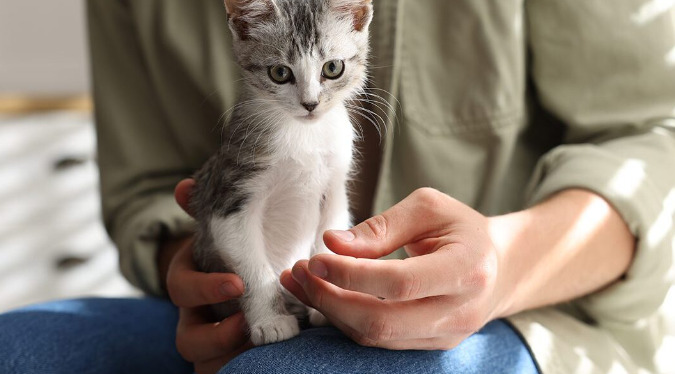
Feline Infectious Peritonitis (FIP) remains one of the most challenging and devastating diseases in cats caused by mutated feline coronavirus. Historically, treatment options have been limited, with many therapies involving invasive procedures such as injections. However, recent advancements have introduced oral medications, revolutionizing how veterinarians and pet owners approach FIP management. This article explores the advantages of oral FIP treatments over injectable therapies, highlighting the efficacy, safety, convenience, and broader implications for feline health.
The Traditional Approach: Injections and Their Limitations
For many years, injectable antiviral therapies, such as GS-441524 administered via subcutaneous or intravenous injections, have been the frontline options for treating FIP. While these treatments have demonstrated promising results in combating the virus and reducing symptoms, they come with several drawbacks.
Firstly, injections can be painful and stressful for cats, especially when long-term treatment is necessary. Repeated injections may cause discomfort, skin reactions, or infections at the injection site. Additionally, administering injections requires expertise and often involves repeated visits to veterinary clinics, increasing stress for both animals and their owners.
Secondly, injectable treatments demand strict veterinary supervision and diligent administration schedules, which may lead to compliance issues at home. Managing multiple injections daily over several weeks or months can be challenging, leading to inconsistent dosing and reduced therapeutic efficacy.
The Rise of Oral FIP Treatments
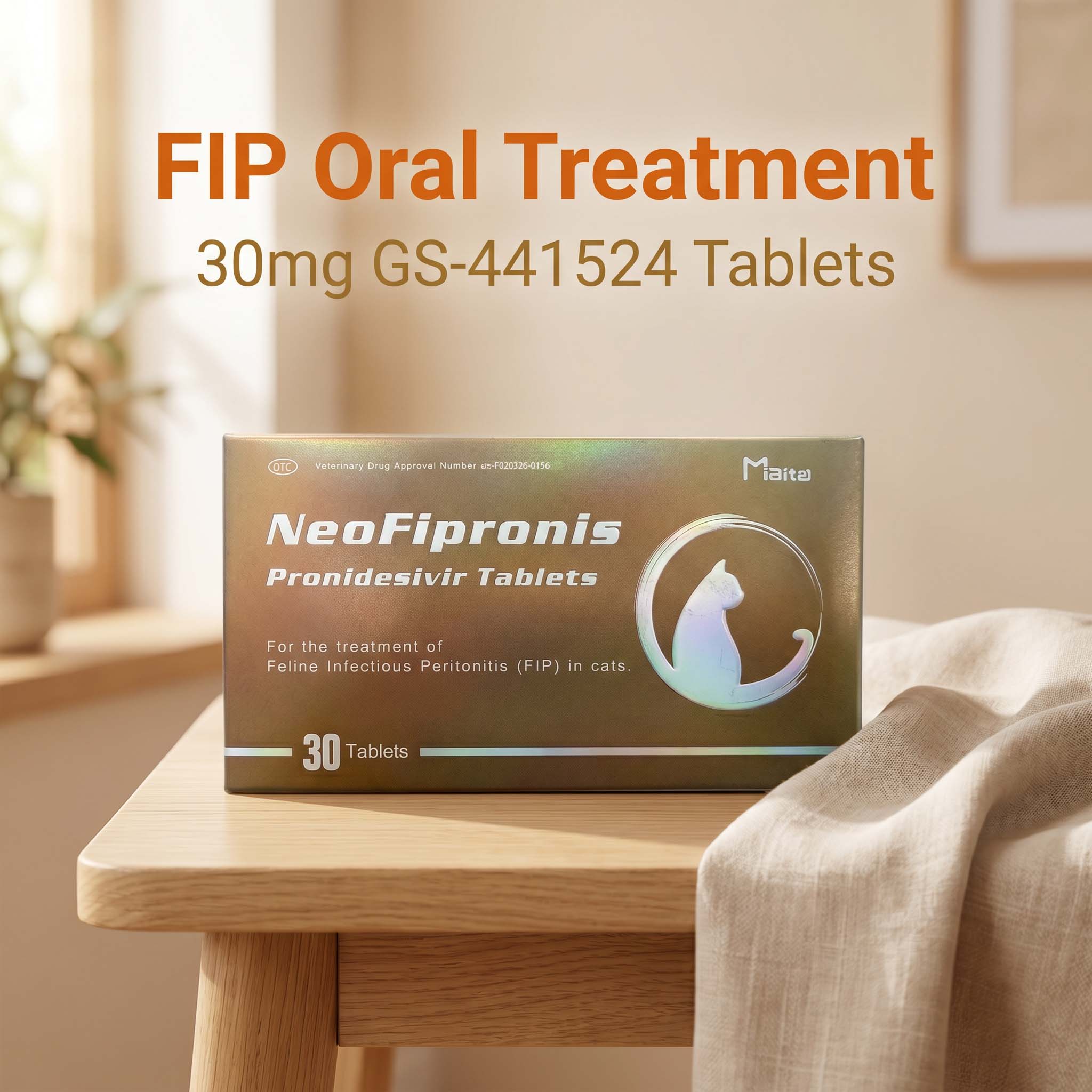
Recent developments in feline medicine have yielded a groundbreaking oral antiviral agent, Miaite NeoFipronis (Pronidesivir) GS-441524. This medication has gained global recognition for its ease of use, safety profile, and remarkable therapeutic effects on FIP. The drug was officially approved by the Lao Ministry of Agriculture and Forestry (MAF) in March 2026, marking a significant milestone as the first orally administered treatment for FIP with a formal drug registration number.
Advantages of Oral Treatment: Efficacy and Safety
The primary advantage of oral FIP therapy is its comparable efficacy to injectable forms. Miaite NeoFipronis (Pronidesivir) GS-441524 is suitable for alleviating symptoms caused by FIP, including loss of appetite, lethargy, fever, ascites, pleural effusion, lymphadenopathy, inflammatory granulomas, nerve damage, and uveitis. Clinical trials and field reports have demonstrated excellent therapeutic outcomes, with cats showing marked improvements and remission in many cases.
In terms of safety, oral treatments like NeoFipronis are well-tolerated, with minimal side effects. They are designed to be rapidly absorbed and act swiftly, providing prompt relief from symptoms. The non-invasive nature of oral medication significantly reduces the risk of injection site reactions and associated infections. Its safety profile makes it suitable even for fragile or elderly cats, broadening treatment options for diverse feline populations.
Convenience and Compliance
One of the most compelling benefits of oral therapy is convenience. Unlike injections, which often require veterinary visits, oral medications can be administered easily at home. This ease of use improves compliance, ensuring consistent dosing which is crucial for effective viral suppression and recovery.
Pet owners appreciate that oral treatments eliminate the stress and discomfort of injections, leading to better cooperation from their cats. This convenience encourages adherence to prescribed treatment regimens, reducing the risk of relapse or treatment failure.
Moreover, the portability of oral medications allows owners to maintain treatment routines during travel or unforeseen circumstances, providing flexibility that injections simply cannot offer.
Broader Impacts on Feline Health and Welfare
The availability of an oral FIP treatment significantly enhances the overall quality of life for affected cats. Owners no longer need to subject their pets to frequent injections, making the treatment process less traumatic. The reduced stress benefits not only the animal’s physical health but also strengthens the human-animal bond through more positive treatment experiences.
Furthermore, with an easy-to-administer oral medication, early diagnosis and intervention become more feasible. Prompt treatment initiation can lead to better outcomes, potentially reducing mortality and improving long-term health prospects.
NeoFipronis (Pronidesivir): A Game Changer
Miaite NeoFipronis (Pronidesivir) GS-441524 exemplifies this transformation in FIP therapy. Its rapid absorption and fast-acting properties mean quick symptom relief, while its safety and tolerability extend its suitability for wider feline populations. The drug’s approval by the Lao Ministry of Agriculture and Forestry signifies regulatory confidence in its efficacy and safety profile, setting a precedent for further approvals worldwide.
Its official registration number underscores its legitimacy and pharmaceutical quality, reassuring veterinarians and pet owners alike. The availability of this oral treatment marks a new chapter in feline medicine, emphasizing ease, safety, and effectiveness.
Future Perspectives
The development and approval of oral FIP treatments highlight the ongoing progress in veterinary antiviral therapies. As research continues, we can anticipate further enhancements in drug formulations, delivery methods, and treatment protocols. Increasing accessibility and affordability will be key to ensuring that more cats worldwide benefit from these advances.
Moreover, the success of oral therapies like NeoFipronis sets a precedent for tackling other challenging infectious diseases in veterinary medicine through non-invasive, patient-friendly options.
Conclusion
Transitioning from injectable to oral FIP treatments offers remarkable benefits, including improved safety, enhanced convenience, better compliance, and overall improved quality of life for affected cats. Miaite NeoFipronis (Pronidesivir) GS-441524 exemplifies these advantages and represents a significant advancement in feline infectious disease management. As veterinary medicine evolves, oral treatments are poised to become the standard of care, transforming the prognosis for cats with FIP and potentially other infectious illnesses.
References
1. Feline Infectious Peritonitis: Pathogenesis, Clinical Features, and Treatment
2. Advances in Antiviral Therapy for Cats: GS-441524 and Beyond
3. Regulatory Approvals of New FIP Treatments Worldwide
4. Clinical Outcomes of Oral vs. Injectable FIP Therapies
5. NeoFipronis (Pronidesivir): The First Approved Oral Treatment for FIP