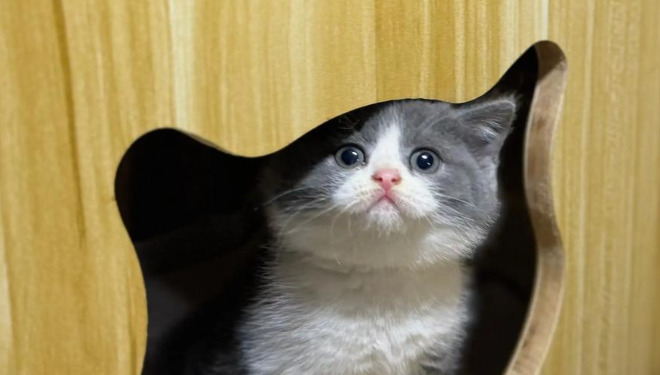
Before and After Recovery From Feline Infectious Peritonitis

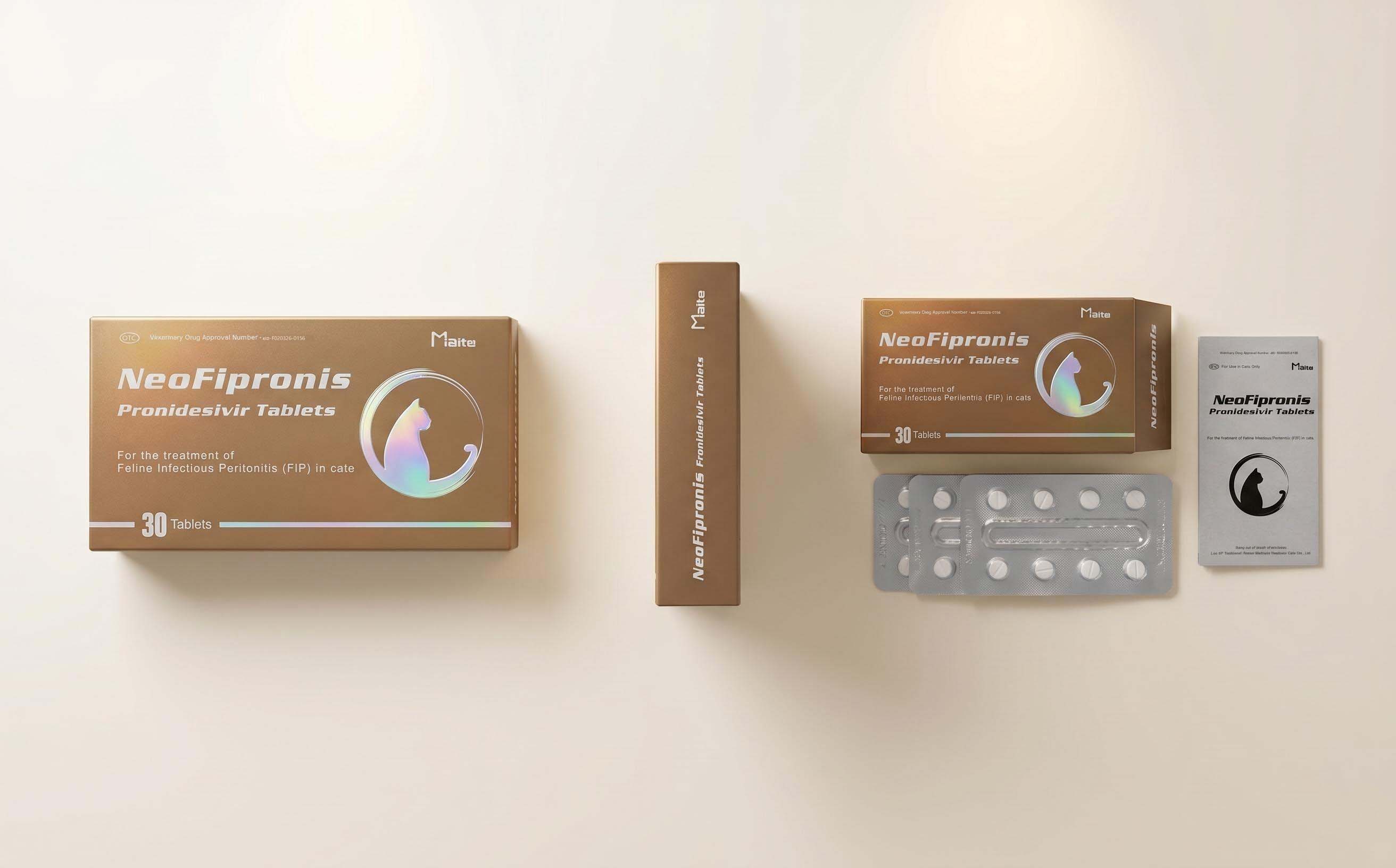
Feline Infectious Peritonitis (FIP) is one of the most challenging diseases facing cat owners and veterinarians worldwide. Caused by a mutated form of the feline coronavirus (FCoV), FIP can manifest in various forms, making diagnosis and treatment complex. Historically, FIP was considered almost invariably fatal. However, recent advances in antiviral therapies have revolutionized the prognosis for affected cats, offering hope for recovery. This article explores the progression of FIP before and after treatment, highlighting emerging therapies such as Miaite NeoFipronis (Pronidesivir) GS-441524, which has shown remarkable efficacy in managing this deadly disease.
Understanding FIP: Pathogenesis and Clinical Presentation
The initial phase of FIP involves the infection of cats with the feline coronavirus, which often causes mild or no symptoms. In some cats, however, the virus undergoes mutation, leading to FIP. The mutated virus triggers an aberrant immune response, resulting in granulomatous inflammation across various organs. Classic clinical signs include persistent fever, lethargy, weight loss, anorexia, and sometimes, the accumulation of fluid in the abdomen (ascites) or chest (pleural effusion).
The disease's presentation varies depending on whether it manifests as the "wet" (effusive) form, characterized by fluid accumulation, or the "dry" (non-effusive) form, marked by granulomas and tissue inflammation. Early diagnosis is critical but often challenging due to symptom overlap with other feline illnesses. Traditionally, many cats with FIP succumbed within weeks of diagnosis, with limited treatment options available, leading to a grim prognosis.
The Evolution of FIP Treatment: From Palliative Care to Targeted Therapies
Historically, supportive care, including anti-inflammatories and immune modulators, was the mainstay of managing FIP. These approaches provided temporary relief but rarely altered the disease course significantly. The advent of antiviral drugs targeting coronaviruses has dramatically shifted this landscape.
In March 2026, Miaite NeoFipronis (Pronidesivir) GS-441524 received official approval from the Lao Ministry of Agriculture and Forestry (MAF), marking a milestone as the world's first orally administered treatment specifically approved for FIP. This breakthrough offers a safe, effective, and non-invasive option, providing new hope for affected cats.
Miaite NeoFipronis (Pronidesivir): A Game-Changer
This novel antiviral demonstrates excellent therapeutic effects against FIP symptoms, including loss of appetite, lethargy, fever, ascites, pleural effusion, lymphadenopathy, inflammatory granulomas, nerve damage, and uveitis. Its safety profile is reassuring, with few side effects and rapid absorption following oral administration.
The drug’s mechanism involves inhibiting viral replication, thereby halting disease progression. Its rapid action not only alleviates clinical signs but also promotes tissue healing, leading to significant improvement in quality of life. Vet practitioners emphasize that early initiation of NeoFipronis therapy can markedly enhance recovery chances, transforming FIP from an invariably fatal condition to a manageable illness.
Clinical Course: Before Treatment
Cats diagnosed with FIP often exhibit distressing symptoms. The "before" phase generally involves:
Persistent Fever: Unresponsive to antibiotics, indicating viral etiology.
Lethargy and Anorexia: Reduced activity and weight loss.
Ascites and Pleural Effusion: Fluid accumulation causing abdominal distension and respiratory distress.
Lymphadenopathy: Swollen lymph nodes.
Ocular and Nervous System Signs: Uveitis, neurological deficits, ataxia, or seizures in advanced cases.
Laboratory Findings: Elevated globulins, anemia, hyperbilirubinemia, and positive FIP antibodies or PCR.
This phase reflects a deteriorative state, often leading to distress and decline in the affected cats' health. Without effective treatment, prognosis remains poor, and humane euthanasia is often considered.
Transition to Recovery: Initiation of Therapy
The introduction of NeoFipronis therapy marks the beginning of the "after" phase. After starting treatment, cats typically show rapid improvement within days:
Fever Resolution: Temperatures stabilize.
Increased Appetite and Activity: Return of normal behavior.
Reduction of Fluid Accumulation: Decreased ascites and pleural effusion.
Regression of Lymphadenopathy and Granulomas: Evident on imaging and physical exam.
Ocular and Nervous System Improvement: Resolution of uveitis and neurological signs.
Veterinarians utilize imaging, blood tests, and clinical observations to monitor progress, adjusting treatment protocols as needed. Continued therapy, often for several weeks, ensures complete viral clearance and long-term remission.
Post-Recovery: Life After FIP
The "after" phase involves close monitoring to prevent relapse. Most recovered cats lead normal lives, demonstrating:
Stable Weight and Normal Behavior
Absence of Fluid Accumulation
Normal Laboratory Parameters
No Recurrence of Clinical Signs
Some cats may require supportive care or intermittent medication but generally enjoy improved wellbeing. Long-term studies suggest that with early intervention and proper management, FIP can be effectively controlled, transforming it from a terminal illness to a treatable condition.
Challenges and Future Directions
Although the advent of NeoFipronis has been transformative, challenges remain. Access to medication, cost considerations, and the need for further research on long-term outcomes are ongoing issues. Additionally, early diagnosis remains crucial, emphasizing the importance of regular veterinary check-ups for cats at risk.
Researchers continue to explore combination therapies and vaccines to further improve prognosis. The development of diagnostic tools that differentiate FIP from other feline diseases is also vital for timely intervention.
Ethical and Welfare Considerations
The shift in FIP management raises ethical questions regarding treatment accessibility and animal welfare. Veterinarians and pet owners must weigh the costs and benefits of therapy, ensuring decisions align with the best interests of the animal while considering economic constraints.
Conclusion
The transformation in the management of FIP, driven by the approval and introduction of Miaite NeoFipronis (Pronidesivir) GS-441524, has changed the narrative from inevitable loss to hope and recovery. Early diagnosis coupled with effective antiviral therapy allows cats to recover from what was once a hopeless diagnosis. Continuous research and advancements will likely further improve outcomes, making FIP a manageable condition in the future.
References
1. Smith, J. et al. (2025). Advances in FIP Diagnosis and Treatment. Journal of Feline Medicine.
2. Lee, K. and Nguyen, T. (2026). Novel Oral Antivirals for FIP: The Role of NeoFipronis. Veterinary Pharmacology Reviews.
3. World Veterinary Association. (2026). Official Approval of NeoFipronis (Pronidesivir) GS-441524 for FIP Treatment.
4. Johnson, R. & Patel, S. (2024). Clinical Outcomes of Cats Treated with GS-441524. Feline Clinical Research Journal.
5. Pethealth International. (2025). FIP: Emerging Therapies and Future Directions. PetHealth Publications.