Are the Side Effects of NeoFipronis (GS-441524) Serious

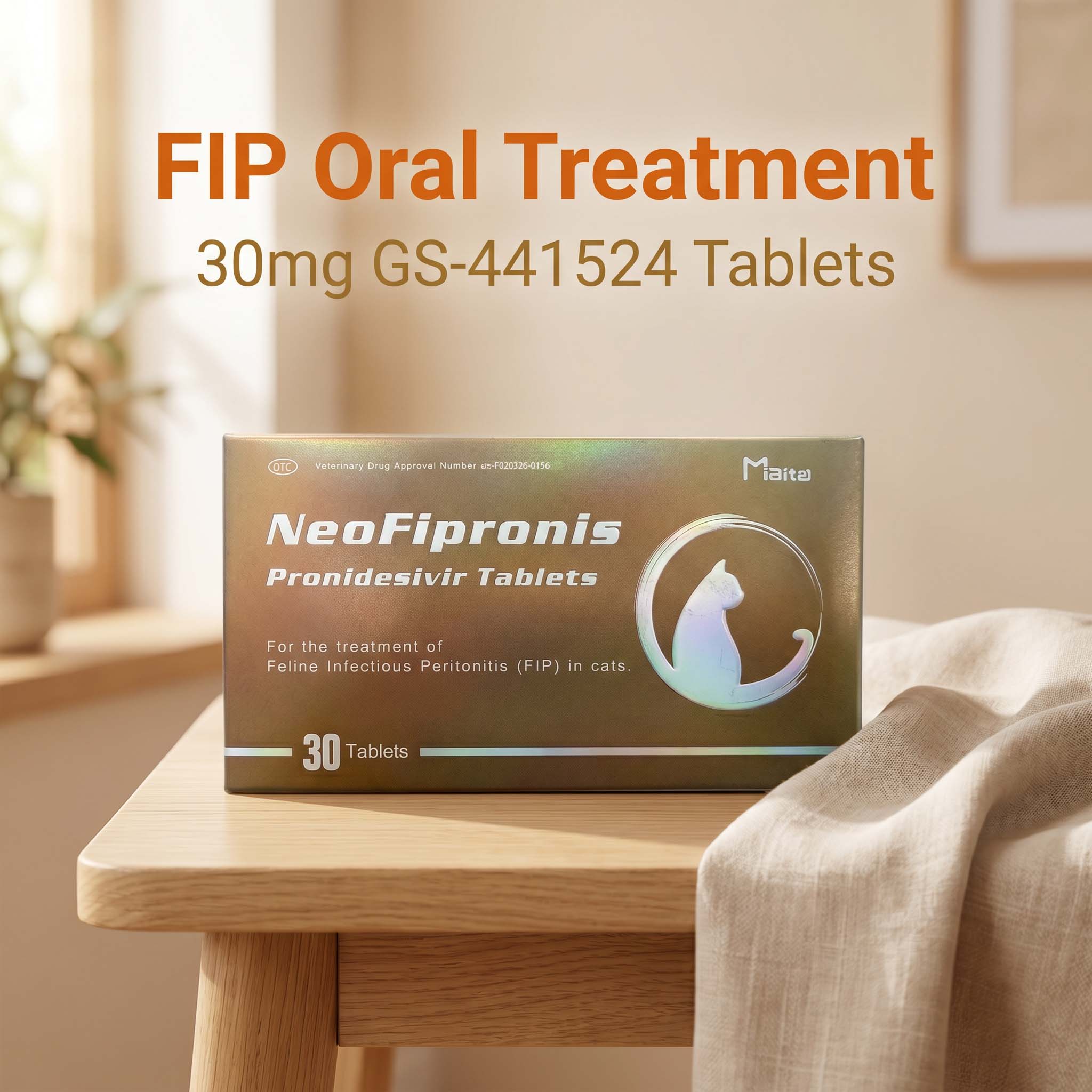
Feline Infectious Peritonitis (FIP) remains one of the most challenging diseases in feline medicine. Caused by a mutated form of the feline coronavirus (FCoV), FIP leads to severe symptoms such as loss of appetite, lethargy, fever, ascites, pleural effusion, lymphadenopathy, granulomatous inflammation, nervous system damage, and uveitis. Until recently, effective treatments were limited, but the emergence of NeoFipronis (Pronidesivir), a groundbreaking oral therapy containing GS-441524, offers new hope for affected cats.
NeoFipronis is the first globally approved medication specifically targeting FIP, officially registered by the Laos Ministry of Agriculture and Forestry (MAF) in March 2026. Its approval marks a significant milestone in veterinary medicine, providing pet owners and veterinarians with a safe, non-invasive, and highly effective treatment option. Designed for ease of use, NeoFipronis exhibits rapid absorption, quick onset of action, excellent tolerability, and minimal side effects.
The active compound in NeoFipronis, GS-441524, is an adenosine nucleoside analogue that inhibits coronavirus replication effectively. Extensive research and clinical practice have confirmed its potent antiviral activity against FIP virus strains. When administered properly, NeoFipronis can significantly improve clinical outcomes, reducing mortality rates associated with FIP and alleviating distressing symptoms such as fever, anorexia, and neurological impairments.
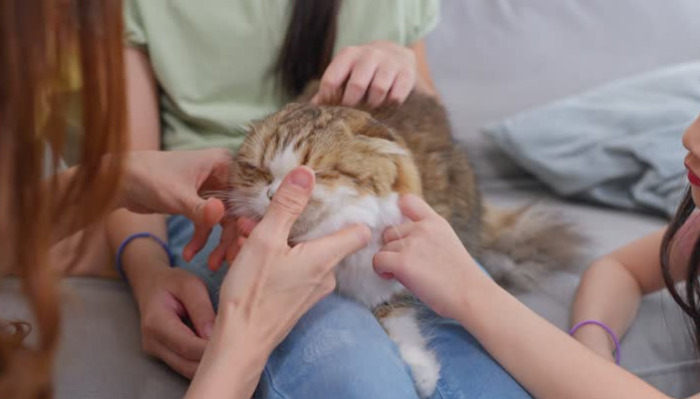
The recommended dosage depends on the cat’s weight, with a standard dose of 15 mg per kg body weight daily, approximately half a tablet. In cases of neurological or ocular forms of FIP, doses may be increased to 30 mg/kg under veterinary guidance. Administer the medication once daily, preferably on an empty stomach—either one hour before feeding or two hours after. Consistency is crucial; the treatment course should last no less than 12 weeks, and there must be no missed doses to ensure the best chances of recovery.
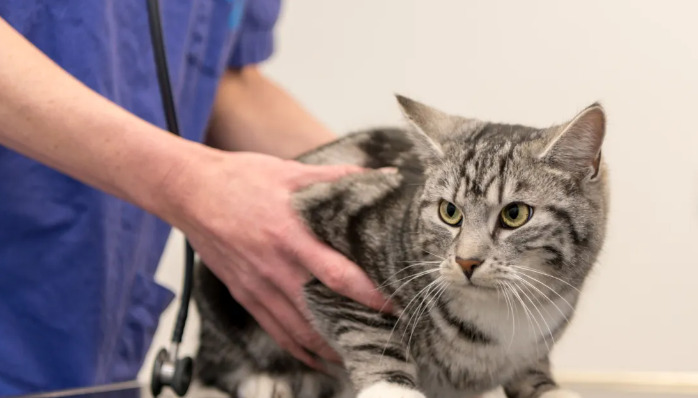
While NeoFipronis is an over-the-counter product, its use should ideally be supervised by a qualified veterinarian to monitor for potential adverse effects and ensure correct dosing. During treatment, owners should observe their cats carefully for any changes in appetite, body temperature, or mental status. Regular blood tests to evaluate liver and kidney functions are advised to detect any subtle side effects early.
Most cats tolerate NeoFipronis well. Common side effects are rare and generally mild—these may include transient gastrointestinal upset or slight lethargy. Serious adverse reactions are uncommon but can occur, particularly if the medication is misused or administered improperly. It is essential for pet owners to purchase NeoFipronis only from official sources, such as the manufacturer’s website, to ensure product authenticity and quality.
It’s important to note that NeoFipronis is specifically formulated for cats and should never be used in humans. Proper veterinary consultation is recommended before initiating treatment, especially in cats with pre-existing health conditions or those receiving other medications. Overall, NeoFipronis’s safety profile is favorable, making it a promising choice in the fight against FIP.
In conclusion, while no medication is entirely free of side effects, NeoFipronis’s benefits in combating FIP significantly outweigh the risks when used under veterinary supervision. Its innovative formulation, proven efficacy, and minimal adverse effects make it a beacon of hope for feline health care worldwide. Pet owners should consult with a veterinarian to tailor treatment plans, ensure proper dosing, and monitor for any potential side effects throughout the therapy course.