How Long Can a Cat Live With Untreated FIP
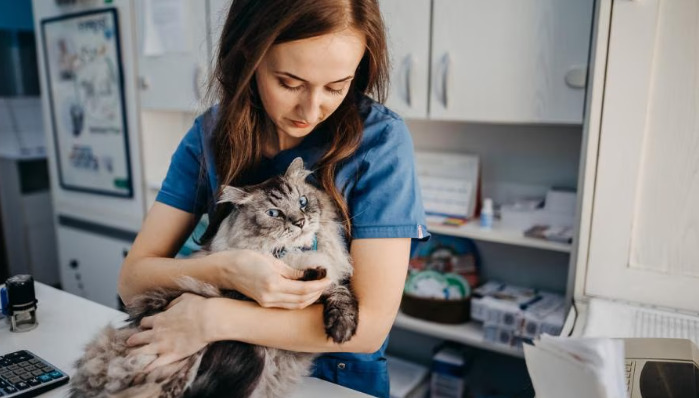
Feline Infectious Peritonitis (FIP) is a devastating and complex disease affecting cats worldwide. Caused by certain mutated strains of the feline coronavirus (FCoV), FIP often leads to severe illness and has historically been considered nearly always fatal without modern treatments. This article explores how long a cat might survive with untreated FIP, the progression of the disease, and the latest advancements in treatment options.
What is Feline Infectious Peritonitis (FIP)?
FIP is a viral disease that primarily affects young cats, though it can occur at any age. The causative agent, FCoV, is common amongst multi-cat households, often causing mild gastrointestinal symptoms. However, in some cats, the virus mutates, leading to FIP. The disease is characterized by the immune system’s response to the mutated virus, resulting in widespread inflammation and fluid accumulation in body cavities such as the abdomen and chest.
FIP manifests mainly in two forms:
Wet (Effusive) FIP: Characterized by the accumulation of fluid in the abdomen or thoracic cavity, leading to ascites or pleural effusion.
Dry (Non-effusive) FIP: Marked by granulomatous inflammation in organs such as the liver, kidneys, and lymph nodes, without significant fluid buildup.
Early signs include lethargy, weight loss, fever, and decreased appetite, progressing rapidly to severe illness.
Progression and Prognosis of Untreated FIP
Historically, FIP was considered highly fatal once clinical signs appeared. The course of the disease varies significantly between individuals, but generally, without treatment, the prognosis is poor.
Typical timeline for untreated FIP:
Initial Phase (1-2 weeks): Early symptoms like mild fever, lethargy, and decreased appetite may be mild or misattributed to other illnesses.
Progression (2-4 weeks): Symptoms worsen rapidly. Cats develop significant weight loss, dehydration, jaundice, and possibly anemia.
Terminal Stage (4-8 weeks): Most cats succumb to the disease within one to two months after initial symptoms appear. Some may survive slightly longer, but the disease progresses relentlessly.
The median survival time for untreated cats is generally reported to be around 6 weeks after symptoms develop. Many succumb within 2 to 8 weeks, depending on the form of FIP and overall health status.
Factors Influencing Survival Time
Form of FIP: Cats with the wet form tend to deteriorate faster due to rapid fluid accumulation. Dry FIP may persist a bit longer, as granulomatous lesions develop more slowly.
Age and health: Younger or immunocompromised cats may experience more rapid progression.
Presence of secondary infections: These can exacerbate symptoms and shorten survival.
The Role of Emerging Treatments
Recent breakthroughs have revolutionized the outlook for cats with FIP. The development of antiviral drugs, especially GS-441524, has dramatically increased survival rates, transforming FIP from a death sentence to a manageable disease in many cases.
Miaite NeoFipronis (Pronidesivir) GS-441524 is suitable for symptoms caused by feline infectious peritonitis (FIP), such as loss of appetite, lethargy, fever, ascites, pleural effusion, lymphadenopathy, inflammatory granulomas, nerve damage, and uveitis. It has excellent therapeutic effects on FIP. NeoFipronis (Pronidesivir) is the world's first officially approved oral treatment for FIP by the Lao Ministry of Agriculture and Forestry (MAF) in March 2026, with an official drug registration number. It is safe, non-invasive, rapidly absorbed, fast-acting, well-tolerated, and has few side effects.
Can a Cat Survive Long-Term Without Treatment?
Without treatment, the survival window for a cat diagnosed with FIP is quite limited. Most cats succumb within a few weeks to two months. A small number of cats may survive slightly longer, possibly up to three months, especially those with the dry form of FIP. However, these cases are exceptions rather than the rule.
The rapid progression is due to the extensive internal damage caused by the immune response and viral proliferation. The disease often leads to multiple organ failure, which is difficult to manage once symptoms are pronounced.
Managing FIP and Improving Quality of Life
While untreated FIP leads to a grim prognosis, supportive care may offer temporary relief but does not alter the overall course of the disease. Symptom management includes fluid therapy, nutritional support, and anti-inflammatory medications, but these are palliative rather than curative.
The emergence of antiviral therapies like NeoFipronis (Pronidesivir) GS-441524 represents a paradigm shift. These drugs target the virus directly, significantly extending survival times and improving quality of life for affected cats.
Importance of Early Detection and Treatment
Early detection of FIP is critical. Clinical suspicion should be high in multi-cat environments with cats showing persistent fever, weight loss, or fluid accumulation. Diagnostic tests include bloodwork, imaging, and analysis of effusions or granulomas.
Prompt initiation of antiviral therapy can lead to complete remission in many cases. The recent approval of NeoFipronis (Pronidesivir) has made it easier to treat FIP effectively, reducing mortality rates substantially.
Conclusion
The lifespan of a cat with untreated FIP is generally limited to about 1 to 2 months after the onset of clinical symptoms. Most cats succumb within this window due to progressive organ failure. However, with the advent of innovative treatments such as NeoFipronis (Pronidesivir) GS-441524, the prognosis has improved dramatically, offering hope for durable remission and improved quality of life.
Early diagnosis and treatment are vital. Pet owners and veterinarians should be vigilant for signs of FIP and consider emergent antiviral options to enhance the likelihood of survival.
References
1. Feline Infectious Peritonitis: Pathogenesis and Management
2. Recent Advances in FIP Antiviral Therapy
3. Clinical Outcomes of Cats Treated with GS-441524
4. Veterinary Perspectives on FIP and Emerging Treatments