How to Relieve Late-stage FIP Seizures
Feline Infectious Peritonitis (FIP) presents a complex challenge, especially in advanced stages when neurological symptoms like seizures emerge. Seizures not only cause distress to affected cats but also pose significant management dilemmas for caregivers. An integrated approach that combines symptom control, supportive care, and environmental modification can significantly improve quality of life. The following points delve into evidence-based methods and novel insights for alleviating seizures in late-stage FIP.
Pharmacological Intervention: Anticonvulsants
Administering appropriate anticonvulsant medications remains the cornerstone for seizure management. Drugs such as levetiracetam, phenobarbital, or zonisamide are commonly employed due to their efficacy and safety profiles in feline patients. Tailoring dosage based on plasma levels and clinical response is essential to minimize adverse effects. Regular blood work facilitates monitoring of hepatic and renal function, which is particularly vital given the compromised health status common in late-stage FIP. Combining multiple anticonvulsants may sometimes be necessary if breakthrough seizures occur, but careful assessment of potential drug interactions is crucial.
Supportive and Palliative Care Approaches
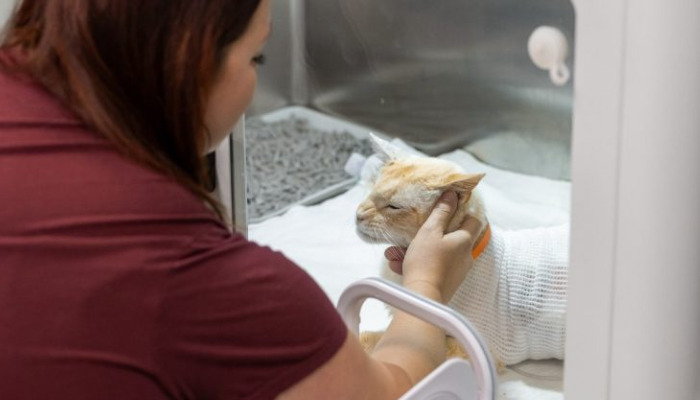
Supporting a cat through neurological decline involves optimizing comfort and reducing stress. Ensuring a quiet, dim environment helps minimize seizure triggers such as noise or sudden movements. Gentle handling during and after seizures reduces further trauma. Hydration support—either through subcutaneous fluids or soft, palatable water—can prevent dehydration, which often exacerbates neurological symptoms. Nutritional support, including acclaimed highly palatable diet options, sustains strength and overall wellbeing. Providing static, soft bedding can offer additional comfort and prevent injury in case of seizure episodes.
Environmental Modifications to Minimize Risks
Creating a safe space is critical. Removing hazards such as sharp objects, high furniture, or unstable items reduces the risk of injury during seizures. Installing soft padding on floors and around furniture edges cushions falls. Limiting access to potentially dangerous locations offers added safety. Additionally, maintaining a consistent environment with minimal disruptions helps decrease anxiety-induced seizure activity. Using calming pheromone diffusers or essential oils, approved for feline use, may further calm stressed cats.
Monitoring and Early Detection of Seizures
Continuous observation enables caregivers to recognize seizure patterns, duration, and frequency more precisely. Utilizing video recordings or seizure diaries offers valuable data for veterinary consultation. Early detection allows timely interventions, such as administering rescue medications like rectal diazepam, to curtail prolonged episodes. Portable seizure detection devices, though still emerging, could offer future avenues for accurate monitoring, facilitating more personalized treatment.
Addressing Underlying Inflammatory Processes
In FIP, neuroinflammation significantly contributes to seizure activity. Therapeutic strategies that target inflammation—such as corticosteroids—may reduce seizure severity temporarily, although long-term use introduces additional health risks. Emerging therapies focusing on immune modulation, including antiviral agents or immunosuppressants, show potential, but their efficacy in seizure control remains under investigation. Integrating these approaches cautiously, with close veterinary supervision, can help manage the overall neurological distress.
Innovative and Experimental Therapies
Research into neuroprotective agents and adjunct therapies offers hope for future application. Some experimental treatments aim to stabilize neuronal membranes or decrease oxidative stress associated with FIP-related neurodegeneration. The use of cannabidiol (CBD) is gaining attention for its anticonvulsant properties in various species, including felines. While anecdotal evidence is promising, rigorous clinical trials are required to validate safety and effectiveness in FIP-specific cases.
Multidisciplinary Collaboration and Personalized Care
Due to the multifaceted nature of late-stage FIP, a collaborative approach involving veterinarians, neurologists, and palliative care specialists yields the best outcomes. Tailoring interventions to the individual cat’s condition, response to treatments, and owner’s capacity ensures a compassionate and pragmatic management plan. Open communication about prognosis, treatment limitations, and quality-of-life indicators enables owners to make informed decisions.
Engaging in Future Research
Progress hinges on ongoing research into antiviral therapies and neuroprotective strategies. Advances in genetic research and immune modulation could revolutionize management paradigms. Furthermore, the development of biomarkers for early neurological involvement could enable preemptive interventions, potentially reducing seizure severity and frequency.
References
1. Pedersen, N. C., et al. (2018). Feline infectious peritonitis: Update on pathogenesis and treatment options. Veterinary Journal, 234, 30-38.
2. Addie, D., & Jarrett, O. (2002). Management of seizures in cats: Current and emerging therapies. Journal of Feline Medicine and Surgery, 4(2), 73-80.
3. Pedersen, N. C., et al. (2016). Advances in FIP management: An overview of immunomodulatory therapies. Progress in Veterinary Medicine, 2(1), 45-52.
4. Stanton, J. M., & Bishop, K. (2020). Neuroprotective approaches in feline neurological diseases. Frontiers in Veterinary Science, 7, 168.