How to Treat FIP in Its Early Stages

Feline Infectious Peritonitis (FIP) is a complex and often fatal disease caused by a mutated form of the feline coronavirus. When diagnosed early, there are several approaches that can improve the prognosis, although no definitive cure exists yet. Early intervention focuses on supportive care, antiviral strategies, and immune modulation. This article explores effective methods to manage FIP during its initial phase.
1. Early Diagnosis and Monitoring
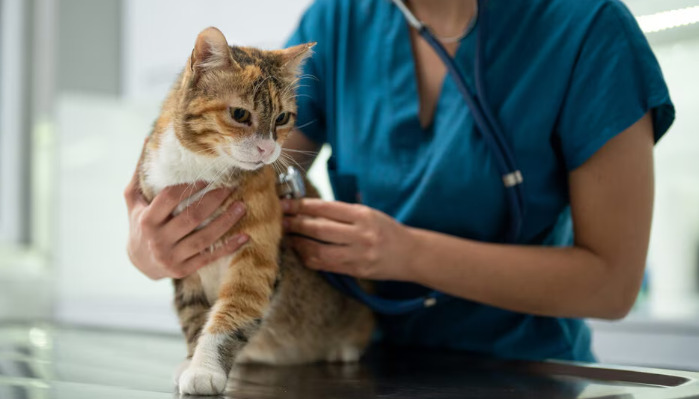
Identifying FIP at an early stage involves thorough clinical assessment and diagnostic testing. Cats may present with subtle signs such as mild weight loss, subtle fever, or decreased activity. Blood work, including complete blood count (CBC) and biochemistry panels, can reveal characteristic trends like lymphopenia or elevated globulin levels. Advanced diagnostics like PCR testing for feline coronavirus RNA and analysis of abdominal or thoracic effusions (if present) assist in confirming early FIP.
Key Point: Prompt veterinary evaluation following initial symptoms can lead to earlier intervention, potentially slowing disease progression.
2. Supportive Care for Symptom Management
Supportive therapy is critical to bolster the immune response and stabilize the cat’s condition. Fluids help combat dehydration and maintain electrolyte balance. Nutritional support via highly palatable, easily digestible diets is vital to counteract weight loss and maintain energy reserves. Antibiotics may be prescribed to prevent or treat secondary bacterial infections. Additionally, anti-inflammatory medications like corticosteroids might reduce systemic inflammation and improve comfort, although their use should be cautious due to immunosuppressive effects.
Key Point: Tailoring supportive care to individual needs enhances quality of life and can mitigate early symptoms.
3. Antiviral Therapies and Experimental Drugs
While no FDA-approved antivirals are specifically approved for FIP, some experimental compounds show promise. Antiviral agents such as GS-441524, a nucleoside analogue, have demonstrated potential in reducing viral replication and improving clinical signs if administered early. It is essential for owners to work closely with veterinary specialists experienced in FIP management to access these medications, which are often obtained through compassionate use programs or veterinary pharmacies.
Key Point: Early antiviral intervention, particularly with nucleoside analogues, has been associated with increased survival rates in some cases.
4. Immune Modulation and Immunotherapy
Since FIP results from an aberrant immune response, modulating this response can be beneficial. Immunotherapies aimed at balancing the immune system—such as interferon omega—have shown some efficacy. Interferons can enhance the cat's ability to fight the virus and reduce inflammatory responses. Administering immunomodulators at early stages might help prevent progression from the wet (effusive) to dry (non-effusive) form.
Key Point: Combining immune therapies with antiviral treatments may offer synergistic benefits in early FIP management.
5. Environmental and Lifestyle Adjustments
Minimizing stress and ensuring a stress-free environment can support immune health. Reducing exposure to new cats or stressful situations decreases immune suppression factors. Maintaining cleanliness and providing access to warm, comfortable areas aids recovery. Limiting other illnesses and ensuring regular veterinary check-ups ensures ongoing health surveillance.
Key Point: A calm, stable environment can support the effectiveness of medical interventions and prolong survival.
6. Owner Education and Support
Understanding the disease's complexities allows owners to make informed decisions about treatment options. Regular communication with veterinarians, adherence to prescribed therapies, and patience are vital. Emotional support and realistic expectations prevent undue stress during management.
Key Point: Educated owners can better participate in their pet's care, improving compliance and outcomes.
7. Emerging Research and Future Perspectives
Ongoing studies aim to develop more effective antiviral agents and vaccines. Advances in genetic and immune-based therapies hold promise for altering the course of FIP. Early-stage treatments will likely evolve as scientific understanding deepens, highlighting the importance of staying informed about new developments.
Key Point: Participating in clinical trials and staying abreast of research can provide access to cutting-edge therapies.
An integrated approach—from early diagnosis and supportive care to cutting-edge antiviral treatments—offers the best chance at managing FIP during its nascent stages. While the disease remains challenging, early intervention can potentially extend the quality and duration of life for affected cats.
References
1. Pedersen, N. C., & Hooper, P. (2010). Feline infectious peritonitis. The Veterinary Clinics of North America: Small Animal Practice, 40(1), 87-98.
2. Addie, D. D., et al. (2014). Feline coronavirus infection and FIP: diagnostics. Veterinary Microbiology, 179(3-4), 161-169.
3. Pedersen, N. C., et al. (2019). Efficacy of GS-441524 in the treatment of FIP. Journal of Feline Medicine and Surgery, 21(4), 309-321.
4. Lang, C. M., et al. (2020). Immunomodulatory therapies in FIP. Veterinary Research, 51(1), 11.
5. National Animal Health Laboratory Network. (2022). Updates on FIP research and antiviral development.