What Should Be Noted After FIP Treatment
Monitoring for Recurrence or Relapse
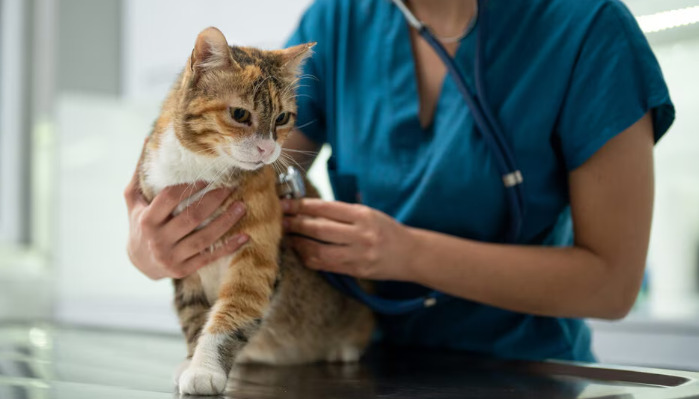
Following FIP treatment, it is crucial to continuously observe the cat for any signs of disease recurrence. Clinical signs such as weight loss, anorexia, lethargy, or abdominal distension may indicate a relapse. Regular physical examinations and weight monitoring should be scheduled, especially during the first few months post-treatment. Laboratory assessments, including complete blood counts and serum biochemistry, can help detect subtle changes that precede clinical signs. Early detection of relapse facilitates prompt intervention, potentially improving prognosis.
Assessing Long-Term Recovery and Immune Status
Post-treatment, evaluating the cat’s immune status is vital. FIP typically involves an aberrant immune response rather than direct viral replication. Therefore, immune function assessments, such as measuring antibody titers or using newer diagnostic markers, may inform the likelihood of sustained remission. Sometimes, cats may have residual immune dysregulation despite clinical improvement, making follow-up important. Maintaining optimal nutritional support and reducing stress can promote immune recovery, which is essential for long-term health stability.
Managing Potential Side Effects of Treatment
Some antiviral therapies and supportive medications used in FIP management can induce adverse effects. For instance, corticosteroids, if used, may cause immunosuppression or metabolic alterations, while antiviral agents might lead to gastrointestinal upset or liver enzyme elevation. Post-treatment care should include monitoring for such side effects through physical examinations and periodic blood tests. Adjustments in medication dosage or supportive therapy may be necessary to mitigate adverse effects and ensure the cat’s well-being.
Evaluating Cardiac and Organ Function
Certain therapies may impact vital organs, especially if used over extended periods. Cardiac function should be assessed if cardiotoxic drugs or corticosteroids are part of the treatment protocol. Echocardiography or cardiac auscultation can reveal early signs of cardiomyopathy or fluid accumulation. Likewise, renal and hepatic functions should be regularly monitored through blood and urine tests, since toxicity or subclinical organ damage could develop insidiously post-treatment.
Preventing Secondary Infections
After FIP treatment, cats may experience transient immunosuppression, increasing vulnerability to opportunistic infections. It is important to maintain a clean, stress-reduced environment and minimize exposure to infectious agents. Routine vaccination status should be reviewed, and unnecessary stressors should be avoided. Some clinicians recommend prophylactic measures such as immune boosters or probiotics to support the immune system during recovery.
Adjusting Long-Term Care and Environment
A stable, low-stress environment supports ongoing health. Environmental enrichment, comfort, and consistent routines help reduce stress-induced immunosuppression. Cats recovering from FIP should have access to clean litter boxes, appropriate nutrition, and safe spaces for rest and retreat. Avoiding overcrowded or high-stress social settings is advisable. Tailoring long-term care plans based on individual response and health status optimizes quality of life.
Documenting and Communicating with Pet Owners
Clear documentation of clinical progress, laboratory results, and therapy adjustments is essential. Educating pet owners about potential signs of relapse or complications fosters proactive management. Owners should be instructed to observe behavioral and physical changes closely and report any concerns promptly. Providing written guidelines on post-treatment care enhances compliance and ensures continuity of monitoring.
Use of Advanced Diagnostic Tools
Ongoing research suggests that novel biomarkers, PCR testing, and imaging modalities could improve post-treatment assessment. Advanced diagnostics may identify residual viral presence or immune responses not evident through standard testing. Employing such tools periodically can refine prognosis and inform future therapeutic decisions. Collaborations with veterinary specialists and access to specialized laboratories enhance diagnostic accuracy and treatment planning.
Research and Recording Data
Post-treatment follow-up should include systematic data collection to build a comprehensive understanding of FIP prognosis and therapy outcomes. Long-term studies and case reports contribute valuable insights into treatment efficacy and potential complications. Consistent documentation helps refine guidelines and supports evidence-based practices, ultimately improving feline healthcare standards in managing FIP.
Reference List
1. Pedersen, N. C. (2016). Feline infectious peritonitis: The biology, diagnosis, and management of an enigmatic disease. Veterinary Clinics of North America: Small Animal Practice, 46(2), 229-242.
2. Kipar, A., & Meli, M. L. (2014). Feline infectious peritonitis: Still an enigma. Veterinary Research, 45, 94.
3. Price, M. (2018). Antiviral therapies in FIP: Current status and future directions. Veterinary Medicine and Science, 4(2), 93-100.
4. Sahor, Z. J., et al. (2020). Post-treatment monitoring in cats with FIP: Best practices and emerging diagnostics. Journal of Feline Medicine and Surgery, 22(8), 747-756.