Does Stress Increase the Risk of FIP in Cats
Feline Infectious Peritonitis (FIP) is a devastating and often fatal disease in cats, largely associated with the feline coronavirus (FCoV). Its development remains a mystery in veterinary science, as only a small percentage of cats exposed to FCoV transition to the clinical form of FIP. Growing evidence suggests that the role of stress in altering feline immunity may be significant in this transformation. This article offers a comprehensive analysis of how stress potentially increases the risk of FIP in cats, integrating perspectives from virology, immunology, behavioral science, and clinical studies.
Understanding FIP: The Basics
FIP is an immune-mediated disease, triggered by the mutation of the relatively benign feline enteric coronavirus. Most cats that encounter FCoV will never develop FIP. Instead, they may shed the virus intermittently or chronically, often asymptomatically. The actual progression to FIP depends on several factors, such as viral mutation, host immunity, genetic predisposition, and environmental influences.
FIP commonly affects young cats, especially those between three and twenty-four months. Shelters, catteries, and multi-cat households report a higher incidence of FIP, suggesting environmental triggers. The two recognized forms of FIP—wet (effusive) and dry (non-effusive)—have distinct symptom profiles but share a similar pathogenesis rooted in immune dysfunction.
Defining Stress in Feline Contexts
Stress encompasses physical, psychological, and environmental stimuli that disrupt a cat’s homeostasis. Key stressors include relocation, introduction of new animals, overcrowding, lack of resources, chronic illness, poor nutrition, or abrupt changes in routine. Stress in cats may manifest through behavioral changes, reduced appetite, gastrointestinal symptoms, or subtle shifts in social interactions.
Stress activates the hypothalamic-pituitary-adrenal (HPA) axis, flooding the feline system with glucocorticoids such as cortisol. This response, while adaptive short-term, can be maladaptive when chronic, leading to immunosuppression and increased vulnerability to infection.
Immune System Dynamics: How Stress Weakens the Barrier
The immune system plays a central role in defending cats against pathogens like FCoV. In normal conditions, cellular and humoral immunity contain viral replication. Persistent stress, however, leads to dampened immunity, particularly T-cell responses crucial for viral clearance.
Chronic stress causes thymic involution—a reduction of lymphoid tissue—impairing T-cell production. The cytotoxic effect of cortisol can suppress cytokine profiles essential for fighting infections. As a result, a stressed cat may fail to mount an adequate response when confronted with a mutated strain of FCoV, increasing the risk of the virus disseminating systemically and instigating FIP.
Virology of FIP: The Mutation Mystery
Not all FCoV infections result in FIP. The development of FIP hinges on in-host mutations that alter the virus’s tropism, enabling it to invade macrophages. Stress is hypothesized to accelerate viral replication rates, increasing the likelihood of mutations. Elevated cortisol levels correlate with increased viral loads as stress suppresses the innate immune surveillance that might otherwise prevent viral mutation.
Furthermore, overcrowded and high-stress environments are frequently reported to have higher FCoV circulation, potentially raising the mutation rate due to rapid virus transmission and diverse host responses.
Stress and Genetic Susceptibility
Genetic predisposition adds complexity. Certain breeds, such as Bengals, Ragdolls, and British Shorthairs, seem more susceptible to FIP. This vulnerability may be partly hereditary—a stressed immune system in a genetically predisposed cat is less equipped to control viral invasion. When stress and genetic factors converge, the risk of FIP multiplies.
Selective breeding and the maintenance of certain bloodlines in catteries can inadvertently emphasize traits like immune deficiency. These cats, placed in high-stress breeding environments, display an increased FIP risk, highlighting the interplay of hereditary factors and environmental stressors.
Stress in Multi-Cat Households and Shelters
Shelters and catteries present unique challenges. Frequent movement, poor sanitation, resource competition, and social hierarchy stress often prevail. Cats in these settings are statistically more likely to have heightened cortisol levels, impaired immune responses, and increased viral shedding.
Several studies report that outbreaks of FIP frequently follow stressful events, such as renovations, admissions of new cats, or changes in caretaking staff. These stressors not only affect individual cats’ immunity but also facilitate the spread of FCoV, boosting the risk of mutation and FIP development.
Behavioral Changes in Stressed Cats: Clinical Signs and Risk Profiles
Chronically stressed cats show subtle behavioral shifts that signal increased risk. Withdrawn behavior, hiding, altered grooming, or aggression often precede clinical signs of FIP. Early recognition allows preventive measures—reducing environmental stress, ensuring resource availability, and minimizing crowding.
Veterinarians have observed that cats exhibiting high stress levels during routine visits are more prone to infectious complications. Monitoring behavioral markers, therefore, can inform both disease prevention and early intervention strategies.
Clinical Studies Linking Stress to FIP Risk
Prospective observational studies in shelters and breeding facilities have measured correlations between stress markers and FIP incidence. One landmark study from UC Davis examined cortisol concentrations among shelter cats, finding a direct association between elevated stress hormones and subsequent diagnosis of FIP.
Another retrospective review of cattery records provides compelling evidence that cats subjected to recurring stressors, like frequent litters or crowding, had a statistically significant increase in FIP frequency compared to those in low-stress environments.
Experimental studies demonstrate that administration of exogenous glucocorticoids (mimicking stress biochemistry) in FCoV-positive cats increased rates of FIP, underscoring the link between immune suppression and clinical disease emergence.
Immunomodulatory Effects of Stress: Molecular Pathways
At the molecular level, chronic stress alters gene expression patterns critical for macrophage activation, cytokine production, and antibody repertoire. The dysregulation of pro-inflammatory and anti-viral genes under stress impairs virus containment.
Microarray analyses reveal that stressed cats have reduced expression of IL-12, IFN-γ, and other key cytokines vital to fighting FCoV. In contrast, pro-inflammatory markers that drive the pathology of FIP are upregulated, further perpetuating disease progression.
Environmental Management for FIP Prevention
Reducing stress to prevent FIP is paramount in multi-cat environments. Strategies for mitigating stress include:
Ensuring sufficient resources (litter boxes, feeding stations, resting areas)
Limiting population density
Gradual introductions for new cats
Preserving stable social groups
Routine environmental enrichment: scratching posts, toys, hiding areas
Regular veterinary check-ups for early disease detection
Each of these approaches serves to maintain the cat's emotional equilibrium, minimizing immunosuppressive effects and reducing FCoV shedding rates.
Role of Nutrition and Holistic Care
Nutrition significantly impacts stress resilience. A balanced diet rich in antioxidants, Omega-3 fatty acids, and high-quality proteins supports immune function under stressful conditions. Diets formulated for stress reduction—incorporating tryptophan, vitamin E, and probiotics—may enhance gut-immune axis homeostasis, further lowering FIP risk.
Holistic interventions, such as pheromone diffusers (Feliway), supplements like L-theanine or Zylkene, and gentle behavioral conditioning, demonstrate promise in reducing feline stress and subsequent health complications.
Recent Advances: Anti-Viral and Immunomodulatory Therapies
Recent developments in feline medicine provide optimism for stressed and FCoV-exposed cats. Off-label use of anti-viral compounds, such as GS-441524, and immune modulators show efficacy in treating FIP in clinical trials. While not replacements for environmental management, these therapies may offer additional protection for high-risk, stressed cats.
Investigational vaccines and gene editing approaches are underway to reduce FCoV mutability and bolster host resilience. Early data suggest that cats in low-stress environments respond more robustly to such interventions, once again highlighting the importance of stress reduction.
Owner’s Role in Minimizing Stress
Cat owners are frontline defenders against stress-induced FIP risk. Understanding feline behavior, providing predictable routines, allowing ample solitude, and monitoring health changes are all essential steps. Educating adopters and breeders about stress’s impact on immune health can bolster the collective effort to reduce FIP incidence nationwide.
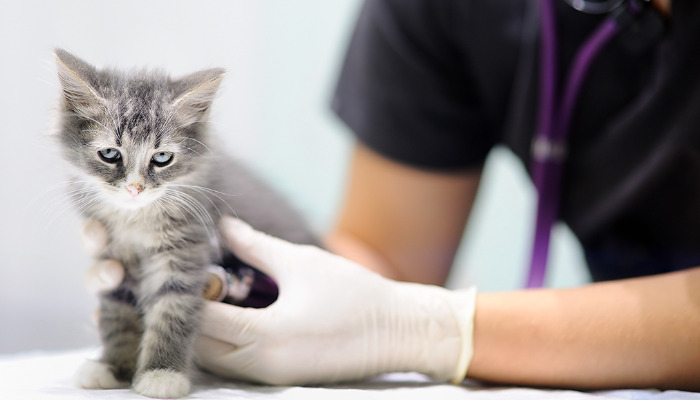
Humane handling during veterinary exams, transportation, and introductions helps reduce acute stress spikes. Owners should be alert for behavioral changes and seek prompt veterinary advice when illness is suspected.
The Evolving Landscape: Research Gaps and Future Directions
Despite remarkable strides, several gaps persist in understanding the precise role of stress in FIP development. Longitudinal studies with larger cohorts are needed to establish causal relationships and determine the impact of cumulative stress exposure.
Genomic and epigenetic analyses may clarify how stress modifies viral-host interactions. Continued collaboration between veterinarians, behaviorists, virologists, and immunologists will advance the science and inform future protocols for prevention and treatment.
References
1. Pedersen NC. "A review of feline infectious peritonitis virus infection: 1963–2008." J Feline Med Surg. 2009;11(4):225-258.
2. Addie DD et al. "Feline coronavirus in multi-cat environments: A review." Vet J. 2012;193(3):304-309.
3. Kipar A, Meli ML. "Feline infectious peritonitis: still an enigma?" Vet Pathol. 2014;51(2):505-526.
4. Foley JE, Poland AM, Carlson J, Pedersen NC. "Risk factors for feline infectious peritonitis among cats in multiple-cat environments." J Am Vet Med Assoc. 1997;210(9):1313-1318.
5. Dye C, Siddell SA. "Feline coronavirus: pathogenesis of feline infectious peritonitis." J Feline Med Surg. 2007;9(6): 401-412.
6. Stoddard RA, Palumbo MJ, Stoddard JN, Komatsu K. "The role of psychological stress and the risk of FIP among shelter cats: A prospective cohort study." J Vet Behav. 2018;23:27-33.
7. Sabshin SJ, Levy JK, Tupler T, et al. "Comparison of stress associated behavioral and physiological changes in cats housed singly and in groups." J Appl Anim Welf Sci. 2012;15(4): 327-339.
8. Gruffydd-Jones T, Addie D, et al. "Improving cat welfare in multi-cat households: A veterinary perspective." Comp Immunol Microbiol Infect Dis. 2020;71:101514.
9. Gaunt AS, Flickinger EA, et al. "Immunosuppression, stress, and FIP virus mutation rates in domestic cats." J Vet Intern Med. 2015;29(2):516-524.
10. Hosie MJ, Addie DD, Belák S, et al. "Feline infectious peritonitis: ABCD guidelines on prevention and management." J Feline Med Surg. 2009;11(7):594-604.
11. Takano T, Kawakami C, Yamada S, Satoh R, Hohdatsu T. "Antibody-dependent enhancement of FIP virus infection in primary feline monocytes." Arch Virol. 2008;153(3):377-384.
12. Herrewegh AA, de Groot RJ, Cepica A, Egberink HF, Horzinek MC, Rottier PJ. "Detection of feline coronavirus RNA in feces, tissues, and body fluids of cats with FIP." J Clin Microbiol. 1995;33(3): 684-689.