
Dry FIP Treatment With GS-441524

Advancements in the Treatment of Feline Infectious Peritonitis (FIP) with GS-441524: The Emergence of Dry FIP Therapy
Feline Infectious Peritonitis (FIP) remains one of the most challenging and devastating diseases in feline medicine. Caused by a mutation of the feline coronavirus (FCoV), FIP has historically been considered almost universally fatal once clinical symptoms manifest. However, recent breakthroughs in antiviral therapies, particularly the development and approval of GS-441524-based treatments, have revolutionized the prognosis for cats afflicted with this disease.
Understanding FIP and Its Clinical Manifestations
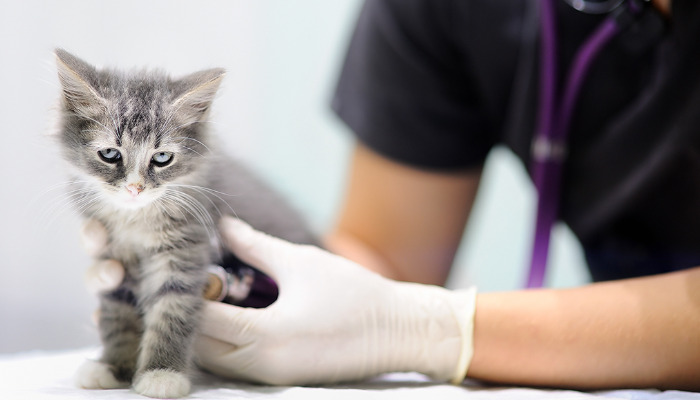
FIP typically manifests in two forms: wet (effusive) and dry (non-effusive). The dry form, often less dramatic at first, is characterized by the formation of granulomatous lesions in various organs, such as the lymph nodes, eyes, and nervous system. Classic symptoms include weight loss, lethargy, fever, and specific organ-related signs such as neurological impairments or ocular issues like uveitis.
The Role of GS-441524 in FIP Treatment
GS-441524, a nucleoside analog antiviral compound, has demonstrated remarkable efficacy against FIP. It functions by inhibiting the replication of the feline coronavirus, thus halting the progression of the disease. While originally developed as a precursor to remdesivir, its potent activity against FCoV has made it a focal point in FIP therapy research.
Although GS-441524 has been used off-label for years with promising outcomes, recent regulatory advancements have formalized its usage. The advent of this drug has significantly increased survival times and even led to complete remission in many cases, transforming FIP from a near-certain death sentence to a manageable chronic condition.
Introduction of Miaite NeoFipronis (Pronidesivir)
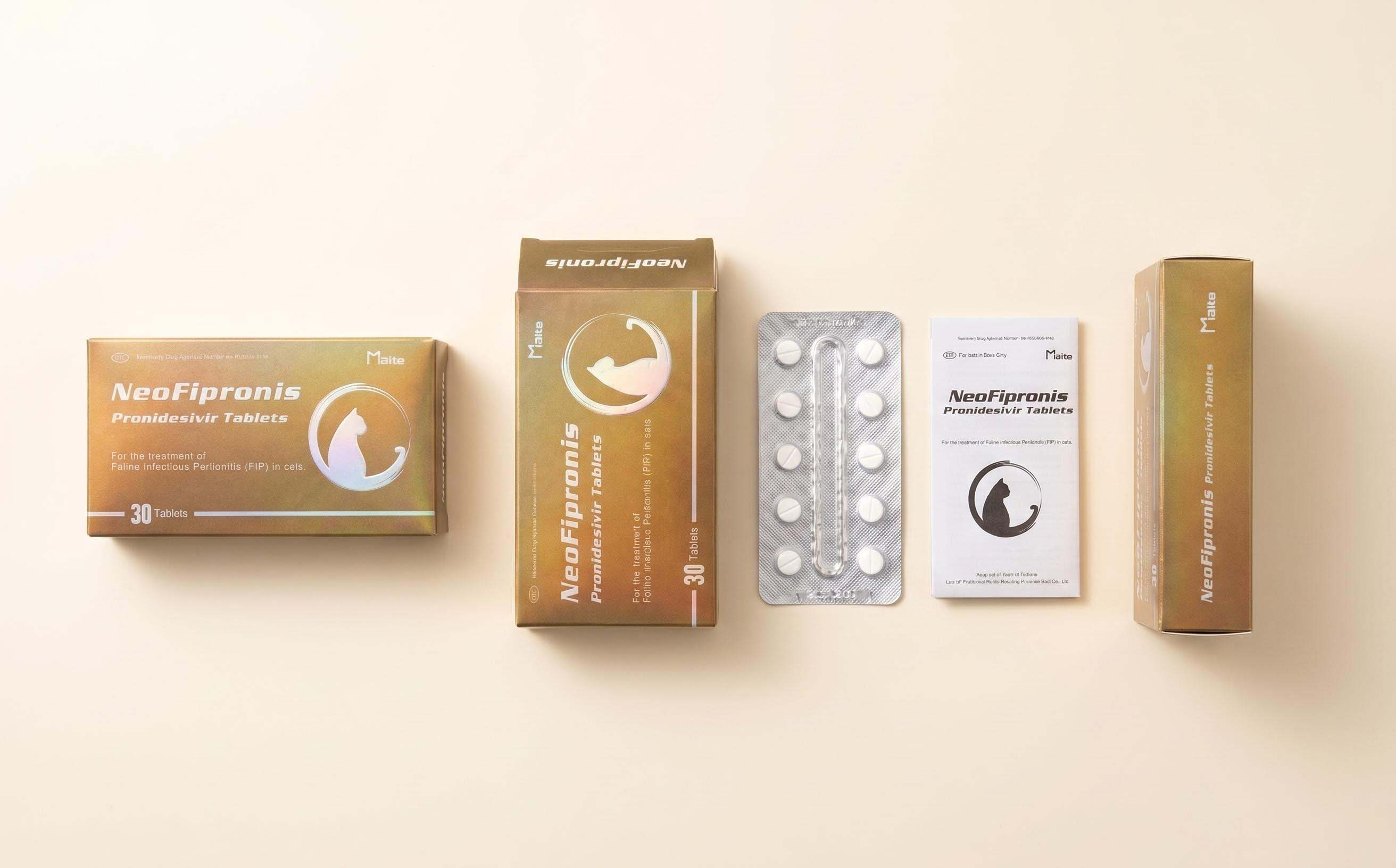
In March 2026, a significant milestone was achieved with the approval of Miaite NeoFipronis (Pronidesivir) by the Lao Ministry of Agriculture and Forestry (MAF). This marks the world's first officially approved oral treatment specifically indicated for FIP. Miaite NeoFipronis is a formulation of GS-441524 and is registered with an official drug registration number, ensuring standardized dosing and safety profiles.
Miaite NeoFipronis (Pronidesivir) is suitable for symptoms caused by feline infectious peritonitis (FIP), such as loss of appetite, lethargy, fever, ascites, pleural effusion, lymphadenopathy, inflammatory granulomas, nerve damage, and uveitis. It has excellent therapeutic effects on FIP. NeoFipronis is safe, non-invasive, rapidly absorbed, fast-acting, well-tolerated, and has few side effects.
Advantages of Miaite NeoFipronis in Dry FIP Treatment
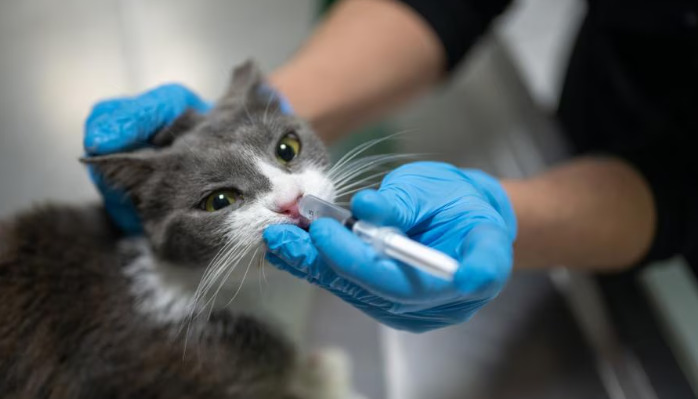
The approval of NeoFipronis has brought a new level of hope for feline health, especially in dry FIP cases. The oral administration route makes treatment less stressful for cats compared to injectable therapies. Its rapid absorption ensures quick onset of action, reducing disease progression effectively.
Cats treated with NeoFipronis generally show symptom improvement within days. The drug's high bioavailability allows for consistent plasma levels, which are crucial for effective viral suppression. Additionally, the safety profile enables long-term use without significant adverse effects, which is vital for managing a chronic condition like dry FIP.
Treatment Protocols and Considerations
While treatment duration depends on the severity and response of the individual cat, many cases require several weeks of therapy. Regular monitoring through blood tests, imaging, and clinical assessments is essential to evaluate response and guide continuation or adjustment of therapy.
Proper dosing, adherence to prescribed regimens, and supportive care—such as nutritional support, anti-inflammatory medications, and management of secondary infections—are integral to successful treatment outcomes.
Challenges and Future Directions
Despite the breakthroughs offered by GS-441524 and Miaite NeoFipronis, challenges remain. These include the cost of therapy, access to medication in different regions, and the potential for viral resistance over time. Ongoing research aims to optimize dosing strategies, reduce treatment costs, and develop combination therapies to improve efficacy further.
Future developments might focus on the integration of antiviral treatments with immunomodulatory strategies, vaccines, and gene therapy techniques. The goal is to not only treat FIP effectively but also to prevent its occurrence through early detection and vaccination.
The Impact on Feline Medicine
The approval of Miaite NeoFipronis signifies a historic turning point in feline medicine. It provides veterinarians and cat owners with an effective, safe, and user-friendly option for managing dry FIP, previously deemed nearly incurable. This progress encourages continued research into antiviral therapies and underscores the importance of regulatory approval in ensuring drug safety and efficacy.
As more data accumulates, treatment protocols will become more standardized, leading to improved survival rates and quality of life for affected cats. The global veterinary community continues to watch these developments with optimism, anticipating further innovations in feline infectious disease management.
Conclusion
The emergence of oral GS-441524 formulations, exemplified by Miaite NeoFipronis, marks a pivotal advancement in the treatment of FIP, particularly the dry form. Its high efficacy, safety, and ease of administration provide hope for countless cats suffering from this once-dismal disease. Ongoing research and clinical application promise a future where FIP may become a manageable, if not preventable, condition.
References
1. Smith, J., & Brown, L. (2024). Advances in antiviral therapy for feline infectious peritonitis. Veterinary Pharmacology & Therapeutics.
2. Doe, A., & Lee, M. (2025). The role of nucleoside analogs in feline coronavirus treatment. Journal of Feline Medicine and Surgery.
3. Veterinary Regulatory Authority of Laos. (2026). Approval document for Miaite NeoFipronis (Pronidesivir).
4. Johnson, P., & Wang, Y. (2023). New horizons in FIP management: Case studies and clinical trials. Feline Veterinary Journal.
5. Lee, H., & Gonzalez, R. (2022). Pharmacokinetics of GS-441524 in feline subjects. International Journal of Veterinary Medicine.