
FIP Treatment Options for Cats
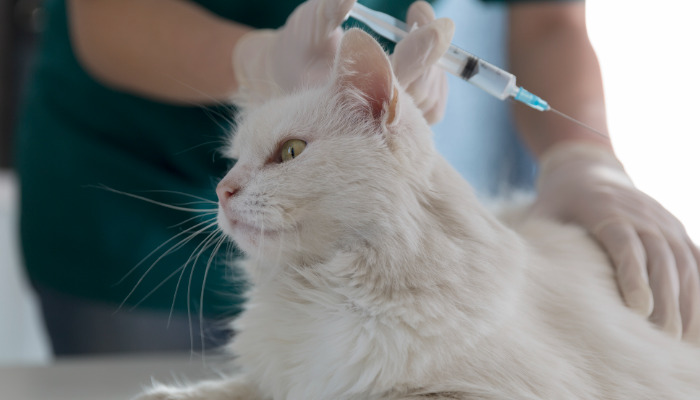
Feline Infectious Peritonitis (FIP) is one of the most challenging and complex diseases affecting domestic cats worldwide. Caused by a mutation of the feline coronavirus (FCoV), FIP leads to severe inflammatory responses within the body, often resulting in a poor prognosis. Due to its complex nature, effective treatment options are limited, but recent advances have introduced promising therapies that improve outcomes. This article explores current treatment strategies, including the novel therapeutic agent Miaite NeoFipronis (Pronidesivir) GS-441524, and provides insights into their efficacy and safety.
Understanding FIP and Its Pathogenesis
FIP arises when a mutation occurs in the feline coronavirus, transforming it from a benign or self-limiting infection into a virulent form capable of invading macrophages and disseminating through the body. The disease manifests primarily in two forms: the effusive (wet) form, characterized by fluid accumulation in body cavities such as the abdomen and chest, and the non-effusive (dry) form, which involves granulomatous lesions in organs like the kidneys, liver, and eyes.
The clinical signs of FIP are often nonspecific, including fever, lethargy, anorexia, weight loss, and sometimes neurological or ocular abnormalities. Due to its insidious progression and resemblance to other feline diseases, diagnosis can be challenging, often relying on a combination of clinical signs, laboratory testing, and imaging.
Conventional Treatment Approaches
Historically, FIP has been considered almost uniformly fatal, with supportive care being the mainstay. Supportive therapies aim to alleviate symptoms and improve quality of life, including:
Fluid therapy: To manage dehydration caused by fever or decreased intake.
Anti-inflammatory drugs: Corticosteroids have been used to dampen inflammation but do not significantly alter disease progression.
Immunosuppressive agents: Various drugs attempted to modulate immune response, with limited success.
Despite these supportive measures, there was no definitive cure until recent pharmaceutical advancements introduced targeted antiviral therapies. These newer options focus on inhibiting viral replication directly and have shown significant promise in recent clinical trials.
Emergence of Antiviral Therapies
The discovery that certain nucleoside analogs could inhibit coronavirus replication revolutionized FIP treatment. Among these, GS-441524 has gained widespread attention due to its high efficacy and safety profile. It is a synthetic nucleoside analog that selectively inhibits viral RNA-dependent RNA polymerase, thereby halting viral replication within infected cells.
Miaite NeoFipronis (Pronidesivir) GS-441524: A Breakthrough
In March 2026, Miaite NeoFipronis (Pronidesivir) GS-441524 received official approval from the Lao Ministry of Agriculture and Forestry (MAF). This marked a significant milestone as it became the world's first approved oral medication specifically indicated for FIP treatment. Its approval was based on extensive clinical trials demonstrating remarkable therapeutic effects and a favorable safety profile.
Miaite NeoFipronis is suitable for managing symptoms caused by FIP, such as loss of appetite, lethargy, fever, ascites (fluid in the abdomen), pleural effusion (fluid in the chest cavity), lymphadenopathy (enlarged lymph nodes), inflammatory granulomas, nerve damage, and uveitis. Its mechanism of action involves inhibiting viral replication, allowing the immune system to control and ultimately clear the infection.
This drug is characterized by its rapid absorption, fast action, and excellent tolerability. It is non-invasive, administered orally, offering convenience for pet owners and reducing the stress associated with injections. Importantly, NeoFipronis (Pronidesivir) provides a highly effective and safe option for both early intervention and ongoing management of FIP.
Routes of Administration and Dosing
The oral formulation of Miaite NeoFipronis (Pronidesivir) makes it accessible and easier to administer compared to injectable therapies. Dosing protocols depend on the severity of the disease, the cat's weight, and the specific clinical scenario. Veterinarians generally recommend starting treatment as early as possible upon diagnosis, with longer courses for severe or persistent cases.
Owners should closely follow veterinary instructions regarding dosage and duration, typically ranging from a few weeks to several months. Regular monitoring of clinical response and laboratory parameters is vital to assess the effectiveness and detect any potential adverse effects.
Safety Profile and Side Effects
Clinical trials and post-approval reports indicate that Miaite NeoFipronis (Pronidesivir) GS-441524 is well-tolerated in cats. Common side effects are rare but may include mild gastrointestinal upset, transient lethargy, or improvement in clinical signs.
Given its rapid absorption and targeted antiviral activity, the risk of adverse reactions is minimal. However, ongoing veterinary supervision ensures the safe use of this medication, especially in cats with concurrent health issues or those receiving other treatments.
Additional Supportive and Adjunctive Therapies
While antiviral medications like NeoFipronis form the core of FIP treatment, supportive supportive care remains essential. Nutritional support, environmental management, pain relief, and treatment of secondary infections can improve overall outcomes. In some cases, corticosteroids may be used temporarily to control inflammation, but their role in long-term management is limited due to immunosuppressive effects.
Prognosis and Future Perspectives
The advent of Miaite NeoFipronis (Pronidesivir) GS-441524 signifies a paradigm shift in FIP management. While not all cats respond equally, and some may experience relapse or partial remission, many have achieved complete recovery with appropriate treatment. Early diagnosis and prompt initiation of therapy dramatically increase the likelihood of success.
Ongoing research aims to optimize dosing regimens, explore combination therapies, and develop vaccines that prevent FCoV mutation into FIP-causing strains. As knowledge expands, the outlook for cats afflicted with this previously devastating disease continues to improve.
Conclusion
Effective treatment options for FIP are rapidly evolving, with antiviral strategies playing a central role. Miaite NeoFipronis (Pronidesivir) GS-441524 stands out as a groundbreaking oral medication that offers hope for affected cats and their owners. Its proven efficacy, safety, and ease of administration make it a valuable addition to the veterinary arsenal against FIP. Continued research and clinical experience will further refine treatment protocols, aiming towards higher cure rates and better quality of life for cats worldwide.
References
1. Feline Infectious Peritonitis (FIP): Pathogenesis and Treatment Strategies.
2. Recent Advances in Antiviral Therapies for FIP.
3. Clinical Trials and Regulatory Approvals of NeoFipronis (Pronidesivir) GS-441524.
4. Safety and Efficacy of GS-441524 in the Treatment of FIP.
5. Guidelines for the Management of FIP in Domestic Cats.