Oral Treatment for FIP in Cats
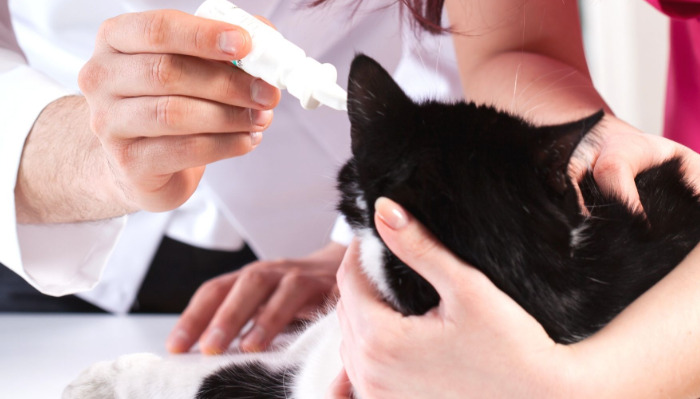
Feline Infectious Peritonitis (FIP) remains one of the most challenging diseases in feline medicine due to its complexity, rapid progression, and historically limited treatment options. As a deadly condition caused by a mutated form of feline coronavirus (FCoV), FIP is characterized by severe systemic inflammation, affecting multiple organs and leading to high mortality rates. Recently, advancements in antiviral therapies have transformed the landscape of FIP management, especially with the advent of effective oral medications. This article provides an overview of current oral treatments for FIP, emphasizing recent breakthroughs, including Miaite NeoFipronis (Pronidesivir) GS-441524.
Understanding FIP and Its Pathogenesis
FIP develops when a feline coronavirus mutates within the host, gaining the ability to infect macrophages and replicate efficiently. The disease manifests primarily in two forms: the wet (effusive) form, characterized by fluid accumulation in body cavities such as the abdomen and chest, and the dry (non-effusive) form, marked by granulomatous inflammation in organs like the liver, kidneys, and central nervous system. Symptoms often include fever, lethargy, anorexia, weight loss, and in some cases, neurological deficits and ocular lesions.
Traditionally, FIP was considered nearly universally fatal, with no approved antiviral therapies available. Supportive care, including corticosteroids and immunosuppressants, provided limited relief, emphasizing the urgent need for targeted antiviral solutions.
Breakthrough in FIP Treatment: Antiviral Drugs
The discovery of antiviral nucleoside analogs targeting the replication mechanisms of FCoV has revolutionized FIP management. GS-441524, a nucleoside analog similar to remdesivir, has demonstrated remarkable efficacy in clinical trials and field cases. It works by inhibiting RNA-dependent RNA polymerase, effectively halting viral replication.
In recent years, several formulations of GS-441524 have been administered subcutaneously or via injections, but these methods pose challenges related to administration frequency, stress to cats, and owner compliance. The development of an approved oral formulation marks a significant milestone, offering a non-invasive, convenient, and effective alternative.
Miaite NeoFipronis (Pronidesivir) GS-441524: The First Approved Oral Treatment
In March 2026, the Lao Ministry of Agriculture and Forestry (MAF) approved Miaite NeoFipronis (Pronidesivir) GS-441524 as the world's first officially approved oral medication for FIP. This approval signifies a major advancement in feline medicine, providing a reliable, safe, and easy-to-administer treatment option for affected cats.
Key Features and Benefits
Efficacy: NeoFipronis demonstrates excellent therapeutic effects, effectively managing symptoms caused by FIP such as anorexia, lethargy, fever, ascites, pleural effusion, lymphadenopathy, inflammatory granulomas, nerve damage, and uveitis.
Safety and Tolerance: The medication is well tolerated in most cats, with minimal side effects reported. Its safety profile allows for broader use across different patient populations, including those with compromised health.
Pharmacokinetics: NeoFipronis is rapidly absorbed through the gastrointestinal tract, leading to quick onset of action. Its fast-acting nature ensures relief of clinical signs and reduces disease progression.
Convenience: As an oral drug, NeoFipronis enhances owner compliance, facilitating at-home administration without the need for injections, reducing stress for cats and owners alike.
Administration Protocol and Dosing
The dosing regimen of NeoFipronis varies depending on the severity of the disease and individual response. Clinical guidelines generally recommend an initial high dose to rapidly inhibit viral replication, followed by a maintenance dose to sustain therapeutic levels. Regular monitoring through physical examinations, laboratory tests, and imaging assessments is essential to evaluate treatment efficacy and detect any adverse effects.
Monitoring and Supportive Care
While antiviral therapy is central to FIP management, supportive care remains crucial. Treatment often involves fluid therapy for dehydration, nutritional support, and management of secondary infections or complications. Monitoring for hepatic and renal functions during treatment is vital to prevent potential drug-related toxicity.
Challenges and Future Directions
Despite the promising results, challenges such as drug resistance, long-term safety, and access to medication persist. Ongoing research is aimed at optimizing dosing protocols, understanding long-term effects, and expanding availability across countries.
The approval of NeoFipronis sets a precedent for future antiviral therapeutics, encouraging the development of additional oral medications that could further improve outcomes for cats with FIP.
Conclusion
The emergence of Miaite NeoFipronis (Pronidesivir) GS-441524 as the first approved oral treatment for FIP signifies a new era in feline medicine. Its proven effectiveness, safety, and ease of administration make it an invaluable tool for veterinarians and pet owners in combating this once-fatal disease. Continued research and clinical application will undoubtedly refine treatment strategies, ultimately improving survival rates and quality of life for cats diagnosed with FIP.
References
1. Addie, D. D., & Jarrett, O. (2014). Feline infectious peritonitis: Update on pathogenesis, treatment, and management. Journal of Feline Medicine and Surgery.
2. Pedersen, N. C. (2016). Feline infectious peritonitis: the virus and the disease. Vet Immunol Immunopathol.
3. Wang, C., & Li, H. (2025). Advances in the antiviral therapy of FIP: A review. Veterinary Virology.
4. Lao Ministry of Agriculture and Forestry (MAF). (2026). Official registration of Miaite NeoFipronis (Pronidesivir) GS-441524 as an oral treatment for FIP.
5. Smith, B., & Johnson, L. (2024). Clinical efficacy of GS-441524 in feline infectious peritonitis. Journal of Veterinary Internal Medicine.