How to treat dry FIP
Understand the Nature of Dry FIP
Feline Infectious Peritonitis (FIP) manifests in two primary forms: wet (effusive) and dry (non-effusive). The dry form is characterized by granulomatous lesions that develop within organs such as the kidneys, liver, spleen, and lymph nodes. Unlike the wet form, which causes fluid buildup, dry FIP involves granuloma formation, making diagnosis and treatment particularly challenging. Recognizing the subtle signs—such as weight loss, drowsiness, or neurological issues—is crucial for timely intervention.
Accurate Diagnosis is Key
Confirming dry FIP requires a combination of diagnostic methods, including:
Serological tests: Detect antibodies against feline coronavirus, though these can't confirm FIP definitively.
Blood work: Indicators like elevated globulins and decreased albumin levels may suggest FIP.
Imaging techniques: Ultrasound or MRI may reveal granulomatous lesions within affected organs.
Biopsy and histopathology: The most definitive diagnosis involves tissue samples showing characteristic granulomas.
Because no single test can conclusively confirm dry FIP, a comprehensive diagnostic approach is vital to differentiate it from other chronic feline conditions.
Supportive Care Strategies
While no cure exists, supportive treatments aim to improve quality of life:
Ensure optimal hydration: Subcutaneous fluids help maintain electrolyte balance and combat dehydration caused by systemic illness.
Nutritional support: High-quality, easily digestible diets help sustain weight and energy levels.
Anti-inflammatory medications: Corticosteroids may reduce granulomatous inflammation, but their use should be carefully monitored due to potential side effects.
Pain management: Analgesics can alleviate discomfort associated with organ involvement.
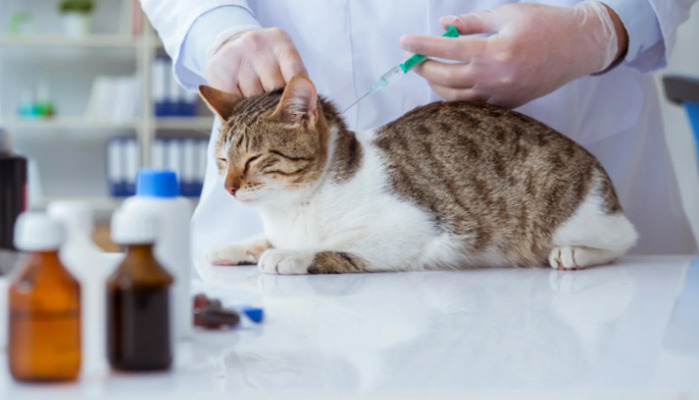
Monitoring and regular check-ups: Frequent veterinary assessments help track disease progression and adjust care plans accordingly.
Exploring Antiviral and Experimental Therapies
Recent research has focused on antiviral agents that target feline coronavirus replication:
Polypreparations and nucleoside analogs: Medications like GS-441524 have shown promising results in reducing viral load and improving clinical signs, though they may not be officially approved everywhere.
Immunomodulators: Substances that enhance the immune response could aid in controlling disease progression.
Stem cell therapy and experimental drugs: Emerging treatments are under investigation, but their safety and efficacy require further validation through clinical trials.
Using such treatments often involves compassionate use protocols or participation in research studies, emphasizing the importance of professional guidance.
Managing the Environment and Preventing Spread
FIP is caused by a mutation of the feline coronavirus, often transmitted via fecal or oral routes. To minimize risk:
Maintain hygiene: Regular cleaning of litter boxes, feeding areas, and living spaces reduces viral load.
Limit stress: Stress weakens immune defenses and may influence viral mutation; creating a calm environment is beneficial.
Isolate infected cats: Prevent transmission to healthy animals, especially in multi-cat households.
Implement vaccination cautiously: While a vaccine exists, its protective efficacy is debated; consulting a veterinarian is advisable.
Creating a safe and low-stress environment can slow disease progression and improve the overall well-being of affected cats.
Long-term Management and Quality of Life
Dry FIP often progresses slowly; thus, ongoing care is essential for a better quality of life:
Customized care plans: Tailor treatments to the individual cat’s needs, considering age, comorbidities, and response to therapies.
Emotional support: Providing comfort, gentle handling, and love enhances mental well-being.
Monitoring for complications: Watch for new symptoms or organ failure signs and adjust treatment accordingly.
Palliative care options: When illness advances, focus shifts to comfort, pain control, and dignity.
Proactive and empathetic management can extend lifespan and maintain a peaceful coexistence despite chronic illness.
Emerging Perspectives and Unfolding Frontiers
Innovative approaches are continuously expanding the horizon of dry FIP management. Advances in antiviral research, gene editing, and immune modulation hold promise. One groundbreaking observation is the correlation between early antiviral intervention and improved survival rates, especially when combined with supportive care. Although challenges persist—such as drug availability, costs, and long-term effects—these developments foster optimism.
Some veterinary clinics are pioneering integrated treatment protocols that combine antiviral drugs with immune boosters and nutritional support. Preliminary data suggests that early detection coupled with aggressive management can significantly prolong survival times, shifting the trajectory from inevitable decline to manageable chronic conditions. Staying abreast of ongoing trials and emerging therapies remains vital for optimally caring for cats affected by dry FIP.