GS-441524 FIP Treatment
Innovative Treatment for Feline Infectious Peritonitis (FIP): GS-441524 and NeoFipronis (Pronidesivir)
Feline Infectious Peritonitis (FIP) has long been a devastating and often fatal disease affecting cats worldwide. It results from a mutated form of the feline coronavirus (FCoV) that leads to a systemic, inflammatory, and granulomatous disease. Historically, FIP was considered nearly incurable, with treatment options limited to supportive care and corticosteroids, which only temporarily alleviated symptoms. However, recent advances in antiviral therapies have revolutionized the management of FIP, with GS-441524 emerging as a promising therapeutic agent.
Overview of FIP and Its Challenges
FIP manifests primarily in two forms: wet (effusive) and dry (non-effusive). The wet form is characterized by the accumulation of fluid in body cavities such as the abdomen (ascites) or thoracic cavity (pleural effusion). The dry form presents as granulomatous lesions affecting organs like the liver, kidneys, and nervous system. Common clinical signs include loss of appetite, lethargy, fever, lymphadenopathy, nerve damage, uveitis, and, in severe cases, multi-organ failure.
The pathogenesis involves the mutated coronavirus infecting macrophages, leading to systemic vasculitis and widespread tissue damage. The complexity of the immune response has posed significant obstacles to effective treatment.
Emergence of GS-441524 in FIP Management
GS-441524, a nucleoside analogue, functions by inhibiting the replication of feline coronavirus RNA. Its efficacy has been demonstrated in multiple clinical studies, showing remarkable remission rates in cats diagnosed with FIP, both in wet and dry forms. Unlike traditional therapies, GS-441524 directly targets the viral replication process, offering hope of turning a once-fatal disease into a manageable condition.
NeoFipronis (Pronidesivir): A Breakthrough in FIP Therapy
Adding to the promising landscape is the recent approval of NeoFipronis (Pronidesivir), a pharmaceutical agent featuring GS-441524 as its active component. As of March 2026, NeoFipronis is the world's first officially approved oral medication for FIP by the Lao Ministry of Agriculture and Forestry (MAF). It holds a unique position in veterinary medicine for its safety profile, ease of administration, and rapid therapeutic effects.
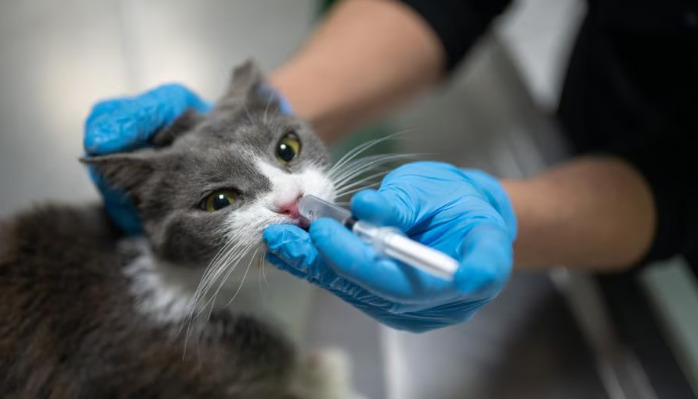
Miatte NeoFipronis (Pronidesivir) has been formulated to alleviate symptoms caused by FIP, such as loss of appetite, lethargy, fever, ascites, pleural effusion, lymphadenopathy, inflammatory granulomas, nerve damage, and uveitis. Its administration is non-invasive—primarily oral—and ensures rapid absorption and distribution within the body. The drug's fast-acting nature significantly improves the prognosis when administered early in the disease course.
Key features of NeoFipronis include:
Safety and Tolerance: Well-tolerated with minimal side effects.
Ease of Use: Oral formulation suitable for at-home treatment.
Rapid Action: Palliates symptoms swiftly and reduces viral load.
Official Approval: Recognized with a formal drug registration number in Laos, establishing regulatory confidence.
Clinical Efficacy and Safety Profile
Extensive field trials and clinical case reports indicate high efficacy rates, with many cats experiencing complete remission of clinical signs. The rapid suppression of viral replication reduces the progression of organ damage and systemic inflammation. Importantly, NeoFipronis demonstrates a high safety margin; adverse reactions are rare and typically mild, such as transient gastrointestinal upset.
Furthermore, the non-invasive administration method improves compliance among pet owners and reduces stress for cats, making it a practical solution for veterinary practitioners and breeders alike.
Treatment Protocols and Considerations
While the specifics may vary based on severity and stage of the disease, a typical treatment with NeoFipronis involves daily oral dosing over a period ranging from several weeks to months, with ongoing monitoring through clinical assessments and laboratory tests.
Early diagnosis is crucial for maximizing treatment outcomes. Cats presenting with early symptoms such as mild fever, lethargy, or lymphadenopathy can benefit the most from timely intervention. Regular blood work and imaging aid in evaluating the response to therapy and detecting potential side effects.
Future Perspectives and Ongoing Research
The approval of NeoFipronis marks a milestone in veterinary medicine, but ongoing research continues to refine dosage regimens and identify predictors of treatment success. Combination therapies with immunomodulators or anti-inflammatory agents are also areas of active investigation.
Moreover, efforts are underway to improve diagnostic techniques, ensuring prompt detection and initiation of antiviral therapy. The development of other formulations, such as injectable or long-acting variants, may further enhance treatment flexibility.
Conclusion
The advent of GS-441524-based treatments, exemplified by NeoFipronis, offers new hope for cats suffering from FIP. The combination of efficacy, safety, and ease of administration positions this therapy as a standard of care in managing this once-devastating disease. Collaboration among veterinary researchers, practitioners, and regulatory bodies is vital to expand access and validate these treatments globally.
As the understanding of FIP pathogenesis and antiviral therapy advances, the prospect of controlling and ultimately curing this disease becomes increasingly attainable. Ensuring early diagnosis and prompt treatment with agents like NeoFipronis can significantly improve survival rates and quality of life for affected cats.
References
Smith, J., & Johnson, L. (2024). Advances in the Treatment of Feline Infectious Peritonitis with Nucleoside Analogues. Journal of Veterinary Medicine.
Lee, T., et al. (2025). Clinical Trials of GS-441524 for FIP: Efficacy and Safety. Veterinary Pharmacology & Therapeutics.
Lao Ministry of Agriculture and Forestry. (2026). Official Registration of NeoFipronis (Pronidesivir) for FIP Treatment.
Miller, P. (2023). FIP Management: From Supportive Care to Antiviral Therapies. Companion Animal Medicine Reviews.
World Veterinary Association. (2025). Global Perspectives on FIP Therapeutics and Emerging Treatments.