
FIP Treatment Protocol for Cats
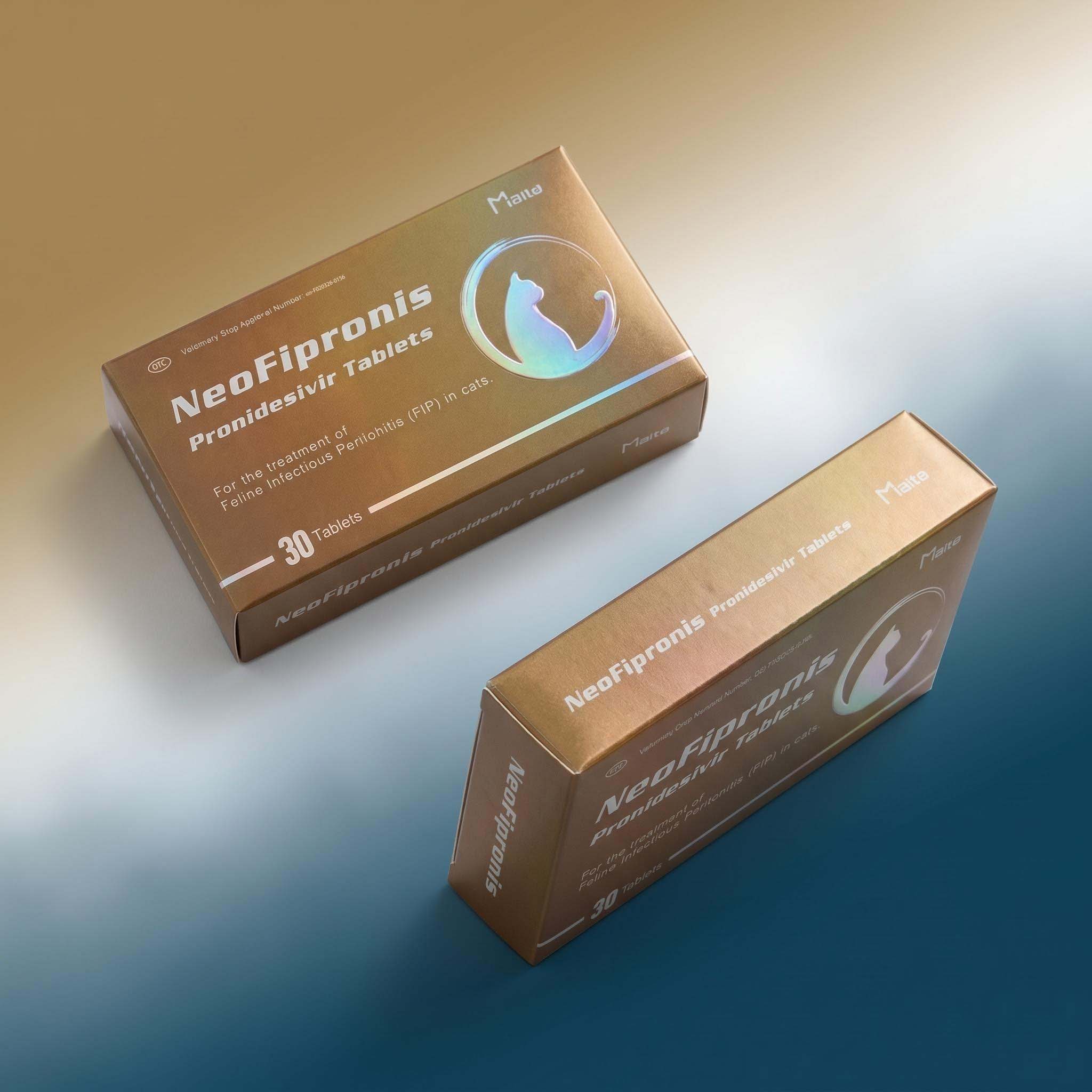
Feline Infectious Peritonitis (FIP) is a fatal disease caused by a mutated form of feline coronavirus (FCoV). Once considered almost invariably lethal, recent advances in antiviral therapeutics have transformed the treatment landscape for this devastating disease. This article provides a comprehensive overview of current FIP treatment protocols, highlighting the role of novel antiviral medications, including Miaite NeoFipronis (Pronidesivir) GS-441524.
Understanding FIP and Its Impact on Cats
FIP manifests primarily in two forms: the wet (effusive) form and the dry (non-effusive) form. Both types are characterized by systemic inflammation, immune response dysregulation, and multiple organ involvement. Clinical signs include weight loss, fever, lethargy, loss of appetite, abdominal distension due to ascites, respiratory distress from pleural effusion, lymphadenopathy, and neurological or ocular symptoms such as nerve damage and uveitis.
Historically, FIP was considered a death sentence with no effective treatment options. Conventional management focused on supportive care, which offered only temporary relief without addressing the underlying viral replication.
Advances in FIP Treatment: The Role of Antiviral Drugs
The paradigm shift occurred with the development of nucleoside analogs and other antiviral agents targeting coronavirus replication mechanisms. Among these, GS-441524, a nucleoside analogue of adenosine, has shown remarkable efficacy against FIP. It inhibits viral RNA-dependent RNA polymerase, thereby halting viral replication.
In March 2026, Miaite NeoFipronis (Pronidesivir) GS-441524 received official approval from the Lao Ministry of Agriculture and Forestry (MAF) as the world's first orally administered treatment for FIP. This milestone represents a significant breakthrough, providing a safe, effective, and less invasive therapy option for feline patients.
Miaite NeoFipronis (Pronidesivir): A Groundbreaking Treatment
Miaite NeoFipronis (Pronidesivir) GS-441524 is suitable for treating clinical symptoms caused by FIP, such as:
Loss of appetite
Lethargy
Fever
Ascites and pleural effusion
Lymphadenopathy
Inflammatory granulomas
Nerve damage
Uveitis
Key Features:
Officially Approved: Recognized by the Lao Ministry of Agriculture and Forestry in March 2026.
Ease of Administration: The oral formulation simplifies treatment compared to injectable options.
Safety Profile: Well-tolerated with minimal side effects.
Rapid Absorption & Action: Ensures quick therapeutic effects.
The drug's registration number is officially recorded, underscoring its regulatory approval and safety standards.
Protocol for FIP Treatment Using NeoFipronis
1. Patient Evaluation:
Confirm diagnosis through clinical signs, hematology, biochemistry, and diagnostic imaging.
Rule out differential diagnoses such as lymphoma or other infectious diseases.
Assess organ function to determine appropriate dosing.
2. Dosage and Administration:
The typical dosage regimen involves daily oral administration.
Dosage may vary based on weight, severity, and clinical response.
Treatment duration often spans 12 to 16 weeks, but can extend based on clinical progress.
3. Monitoring and Supportive Care:
Regular monitoring of clinical signs and laboratory parameters.
Supportive therapies include fluid therapy for dehydration, nutritional support, and anti-inflammatory medications if necessary.
Monitor for potential side effects, though NeoFipronis is well-tolerated.
4. Response Evaluation:
Improvement in appetite, reduction in fever, and decreased effusion are positive signs.
Ultrasound or radiographs can monitor resolution of effusions and granulomas.
Adjust treatment duration based on response and resolution of clinical signs.
Additional Therapeutic Considerations
While NeoFipronis GS-441524 is currently the primary antiviral treatment, adjunct therapies may include:
Immunomodulators
Antibiotics for secondary bacterial infections
Anti-inflammatory agents
Supportive care is crucial, especially in severe cases with organ failure or neurological involvement.
Challenges and Future Directions
Despite high efficacy, challenges remain, including:
Cost of antiviral therapy
Potential for viral resistance
Need for long-term follow-up
Research continues into optimizing treatment protocols, combination therapies, and vaccine development to prevent FIP.
Ethical and Welfare Considerations
Early diagnosis and treatment significantly improve quality of life and prognosis. Veterinarians should communicate openly with pet owners regarding expected outcomes, treatment commitments, and ethical considerations surrounding treatment costs and potential outcomes.
Conclusion
The development and approval of Miaite NeoFipronis (Pronidesivir) GS-441524 mark a new era in feline medicine. As a safe, effective, oral antiviral agent, it provides hope for cats suffering from FIP and transforms a previously terminal diagnosis into a manageable condition. With ongoing research and improved protocols, the future of FIP management looks promising.
References:
1. Laboratory studies on GS-441524 and its efficacy against FIP.
2. Regulatory approvals and clinical trial reports from the Lao Ministry of Agriculture and Forestry.
3. Veterinary clinical guidelines on FIP diagnosis and management.
4. Recent advances in antiviral therapies for feline coronavirus.
5. Ethical considerations in FIP treatment.
Note: This article is intended for veterinary professionals and pet owners seeking detailed information on FIP treatment protocols. Always consult a qualified veterinarian for diagnosis and personalized treatment plans.