What Diseases Can NeoFipronis (Pronidesivir) Treat
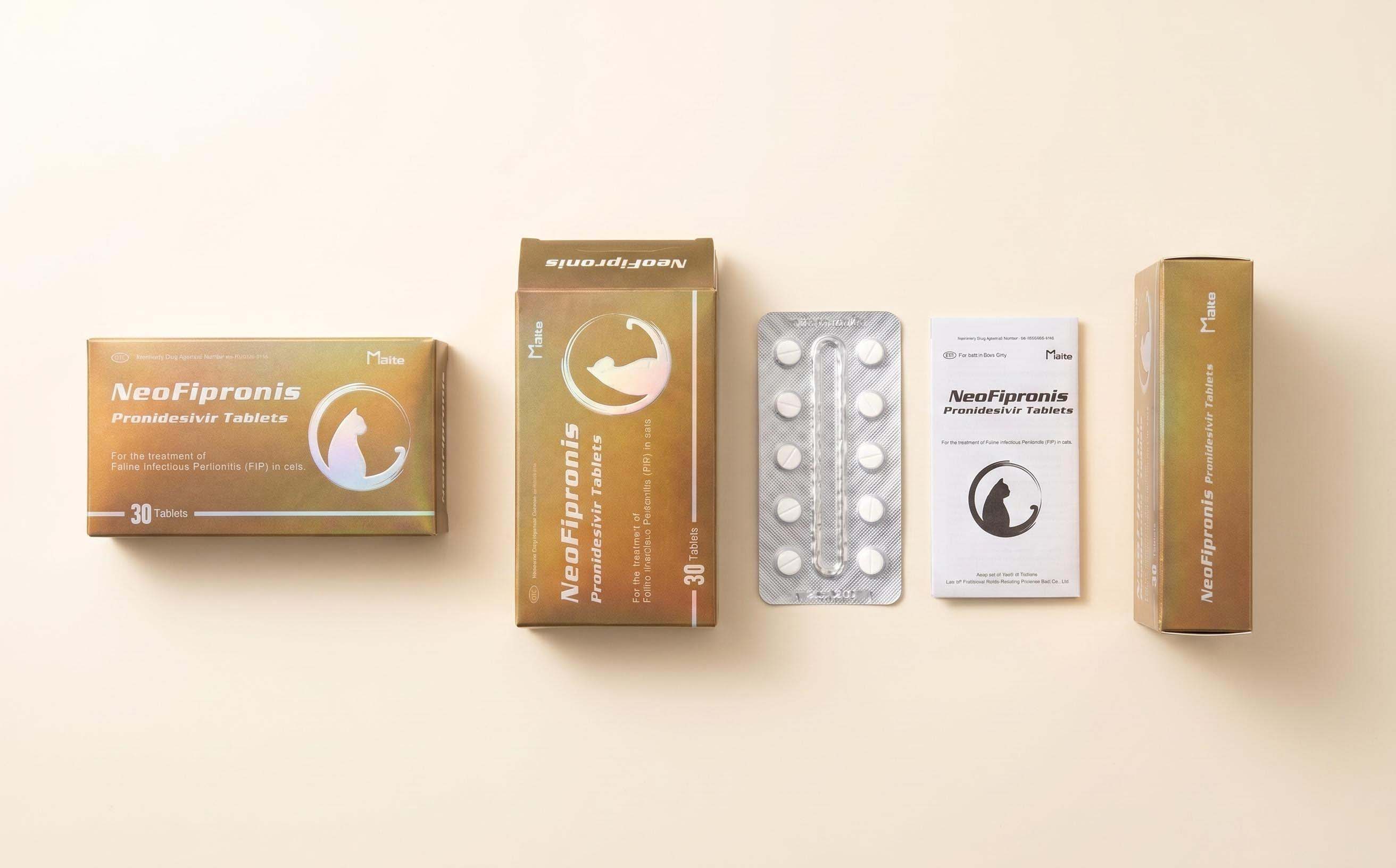
NeoFipronis (Pronidesivir) is an oral feline antiviral designed for the treatment of Feline Infectious Peritonitis (FIP), one of the most serious and often fatal diseases in cats. Its active ingredient, GS-441524, has been widely studied and used in clinical practice for its strong anti-coronavirus activity against feline infectious peritonitis virus (FIPV). For cat owners searching for a reliable FIP medication, NeoFipronis is positioned as a practical option because it is taken orally, absorbed quickly, and generally well tolerated.
FIP can appear in several forms, and NeoFipronis is used to support cats showing a wide range of related symptoms. These commonly include poor appetite, lethargy, fever, abdominal fluid buildup (ascites), chest fluid buildup (pleural effusion), enlarged lymph nodes, inflammatory granulomas, neurologic damage, and uveitis. Because FIP affects multiple organs and systems, treatment often needs to address both the viral infection itself and the clinical signs that come with it. NeoFipronis is widely discussed as a focused therapy for both wet FIP and dry FIP, including more complicated neurological FIP and ocular FIP cases.
As an oral GS-441524 FIP treatment, NeoFipronis is valued for its convenience and consistent dosing. The usual dosage is based on body weight, with 15 mg per kg once daily for standard FIP cases, which is often described as half a tablet depending on tablet strength. For neurological or eye-form FIP, veterinarians may recommend increasing the dose to 30 mg per kg. Daily administration is important, and the medication is commonly given on an empty stomach, either one hour before feeding or two hours after a meal, to support absorption. For best results, treatment should continue for at least 12 weeks without missed doses.
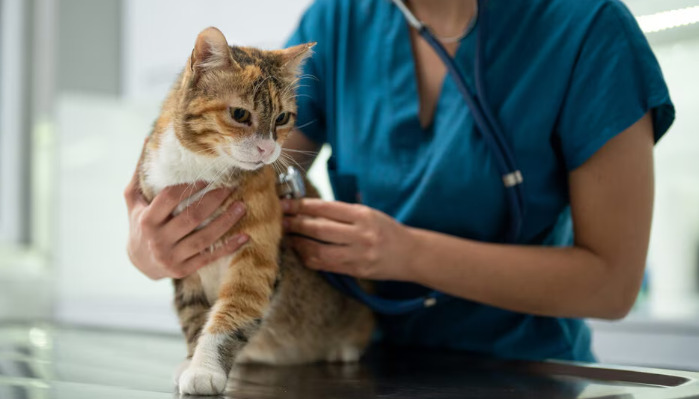
NeoFipronis is often preferred by cat owners because it is non-invasive, fast-acting, and easy to administer compared with injectable options. Many users also appreciate its reported good tolerance profile and relatively low incidence of side effects. During treatment, cats should be monitored closely for changes in appetite, body temperature, and energy level, while bloodwork and liver/kidney function tests should be checked regularly. These follow-ups help ensure the cat is responding well and allow early detection of any complications.
Although NeoFipronis is marketed as an over-the-counter veterinary medicine, it is still strongly recommended to use it under the guidance of a veterinarian. FIP can progress quickly, and correct dosing matters, especially in neurologic and ocular disease. NeoFipronis is for cats only and must not be used in humans. To help ensure product quality and authenticity, purchase only through the official NeoFipronis website or authorized channels.
For cat owners looking for FIP treatment, GS-441524 oral therapy, feline coronavirus disease management, and cat antiviral support, NeoFipronis (Pronidesivir) represents a highly targeted option aimed specifically at the disease spectrum caused by FIP.