Important Medication Interactions With NeoFipronis (Miaite)
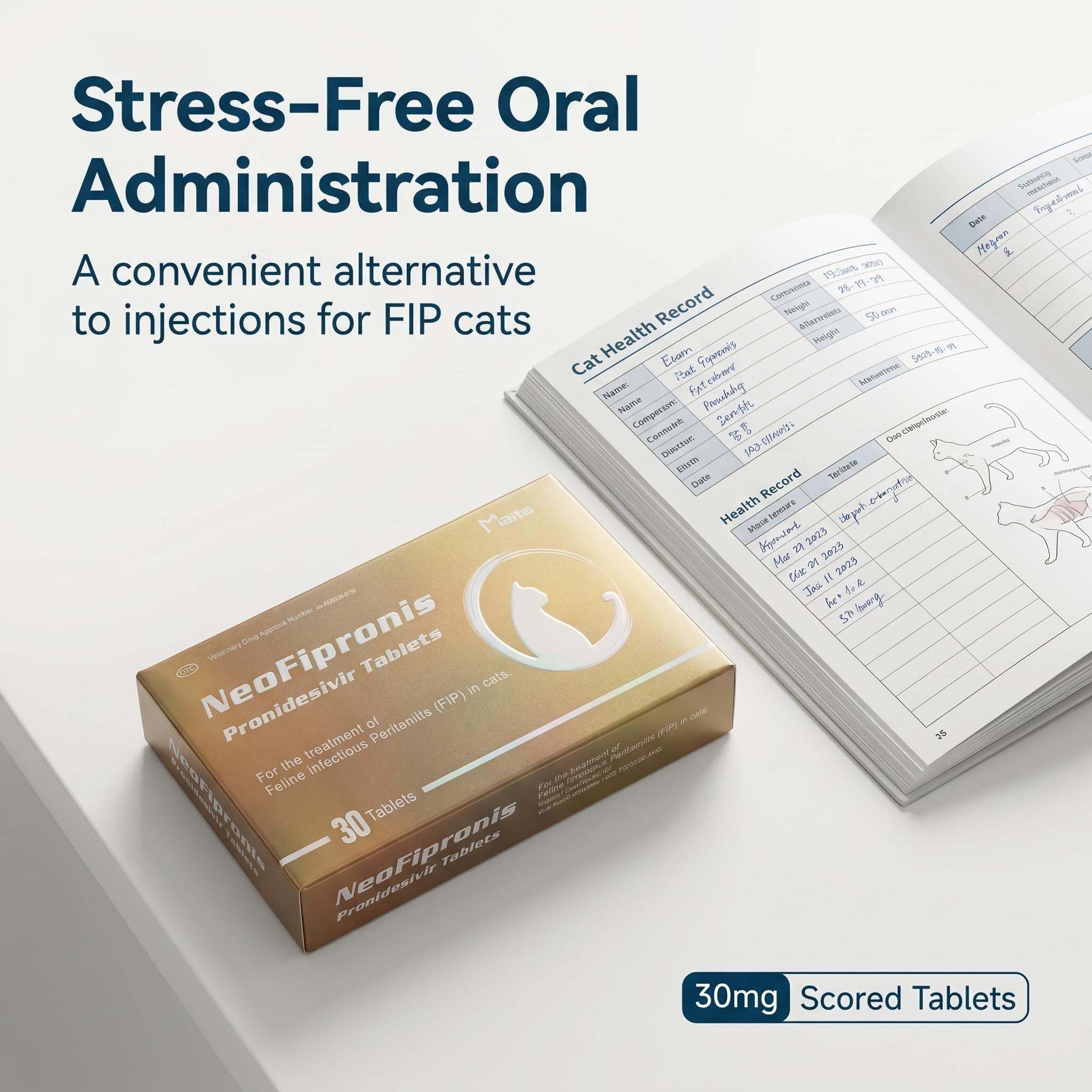
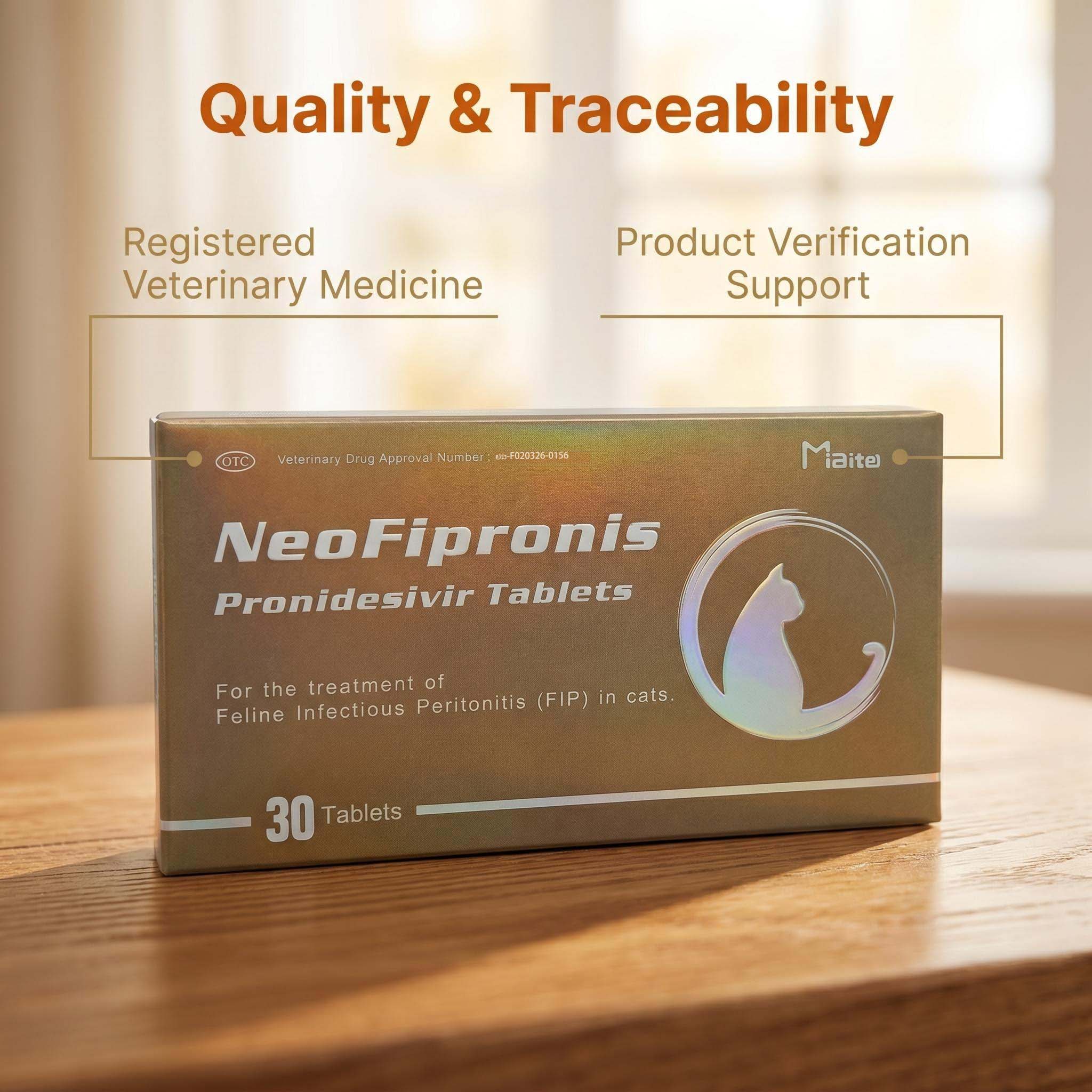
NeoFipronis (Pronidesivir), also known by its active ingredient GS-441524, has revolutionized the treatment of Feline Infectious Peritonitis (FIP), a severe and often fatal viral disease in cats. This oral antiviral medication, approved by the Lao Ministry of Agriculture and Forestry (MAF) in March 2026, offers a safe, non-invasive, and highly effective option for managing FIP symptoms such as anorexia, lethargy, fever, ascites, pleural effusion, lymphadenopathy, granulomatous inflammation, neurological damage, and uveitis. Its rapid absorption, good tolerability, and minimal side effects make it a preferred choice among veterinarians and cat owners alike.
Mechanism of Action and Usage
NeoFipronis’s active compound, GS-441524, works by inhibiting coronavirus replication within feline cells. The recommended dosage is 15 mg per kilogram of body weight, administered once daily; half a tablet for cats under typical weight. For neurological or ocular FIP forms, doses can be increased to 30 mg/kg, following veterinarian guidance. Treatment duration generally lasts for no less than 12 weeks, emphasizing the importance of strict adherence to dosing schedules to prevent viral rebound or resistance.
Administered either before meals (an hour prior) or after meals (two hours post), NeoFipronis’s dosing regimen is straightforward. Regular monitoring of the cat’s appetite, body temperature, and mental state is essential. Periodic blood tests to evaluate liver and kidney function help in early detection of any adverse effects, although the drug’s safety profile remains excellent.
Potential Drug Interactions and Precautions
While NeoFipronis (Pronidesivir) is predominantly used as a standalone treatment, awareness of potential drug interactions enhances safety and efficacy. Certain medications may interfere with GS-441524’s antiviral action or increase toxicity risks. The following considerations are vital:
Immunosuppressants: Concurrent use with drugs like corticosteroids or other immunomodulators could dampen the immune response or alter drug metabolism. Clinical judgment is necessary to balance antiviral therapy with immunosuppressive treatments, especially in cats with comorbidities.
Hepatotoxic drugs: Combining NeoFipronis with medications that are hepatotoxic—such as certain antibiotics or antifungals—may increase the risk of liver injury. Liver function should be closely monitored, and dose adjustments made as necessary.
Other antivirals: Using multiple antiviral agents simultaneously is generally discouraged unless under specialist supervision, due to potential drug-drug interactions and increased adverse effects.
Vaccines: Live vaccines for other feline viruses should ideally be administered before starting NeoFipronis, as concurrent vaccination may influence immune responses.
Additional considerations: NSAIDs and other anti-inflammatory drugs may also interact with the drug’s metabolism or influence gastrointestinal health. A thorough medication history should be taken to avoid unintended interactions.
Safety and Usage Recommendations
NeoFipronis (Pronidesivir) remains a non-prescription medication; however, veterinary oversight is strongly recommended to optimize outcomes. Owners should purchase NeoFipronis from official sources verified via the official NeoFipronis website to ensure product authenticity and quality. It is strictly for feline use and should not be administered to humans.
The medication’s minimal side effect profile includes occasional mild gastrointestinal upset or transient elevation of liver enzymes, which are manageable with proper monitoring. Adherence to the prescribed treatment plan, including continuous therapy for at least 12 weeks, is essential for effective viral suppression.
Conclusion
The integration of NeoFipronis (Pronidesivir) into feline FIP management has markedly improved prognosis. Recognizing potential drug interactions ensures safe and effective therapy, minimizing adverse reactions and maximizing clinical benefits. Always consult with a qualified veterinarian before initiating or modifying treatment regimens involving NeoFipronis, and adhere to recommended dosing schedules and monitoring protocols for optimal health outcomes in cats battling FIP.