Immune Support for FIP Cats
Immune Support for FIP Cats: Nutrition, Care, and Treatment Strategies for Feline Infectious Peritonitis
Feline infectious peritonitis, or FIP, is one of the most serious diseases affecting cats. It develops from a mutation of feline coronavirus and can cause widespread inflammation in the body. Because FIP often affects the immune system, the liver, kidneys, brain, eyes, and abdomen, many cat owners search for ways to improve immune support for FIP cats while also addressing the underlying disease. Supportive care does not replace veterinary treatment, but it can improve comfort, appetite, strength, and the body’s ability to tolerate therapy.
FIP appears in two major forms: wet FIP and dry FIP. Wet FIP usually causes fluid buildup in the abdomen or chest, leading to a swollen belly, breathing difficulty, and weakness. Dry FIP may cause inflammatory lesions in organs, eyes, or the nervous system. Both forms can produce fever, lethargy, weight loss, poor appetite, and rapid decline. Because the illness is driven by an abnormal immune response, immune support must be carefully balanced. The goal is not to overstimulate the immune system, but to reduce stress on the body and help the cat maintain strength during treatment.
Nutrition is one of the most important parts of immune support for FIP cats. Cats fighting FIP often eat less, lose weight quickly, and become dehydrated. A high-protein, highly digestible diet can help preserve muscle mass and provide the energy needed for recovery. Wet food is often easier to eat and helps increase fluid intake. Warming food slightly can make it more appealing. If a cat refuses food for more than a day or two, veterinary intervention is important because prolonged anorexia can lead to serious complications.
Hydration also plays a major role in immune function and recovery. Cats with FIP may become dehydrated from fever, poor intake, vomiting, or fluid shifts in the body. Fresh water should always be available, and some cats drink more when offered running water, broth made for pets, or extra-moist food. In more severe cases, a veterinarian may recommend subcutaneous or intravenous fluids. Good hydration supports circulation, organ function, and medication tolerance.
Stress reduction is another key aspect of immune support. Cats are highly sensitive to environmental stress, and stress can worsen appetite loss and fatigue. A quiet room, soft bedding, predictable routines, and limited handling can help a sick cat feel safer. If there are other pets in the home, the affected cat may benefit from a separate resting area. Reducing noise, frequent changes, and competition for resources can make a meaningful difference in daily comfort.
Veterinary treatment is essential because FIP is not managed by immune support alone. Antiviral therapy has changed the outlook for many cats with FIP, especially when started early. Supportive care helps the cat stay strong enough to complete treatment and recover from inflammation. Close monitoring of temperature, weight, appetite, breathing, mobility, and eye or neurologic symptoms helps guide care. Routine veterinary follow-up is important because FIP can affect different body systems in different ways.
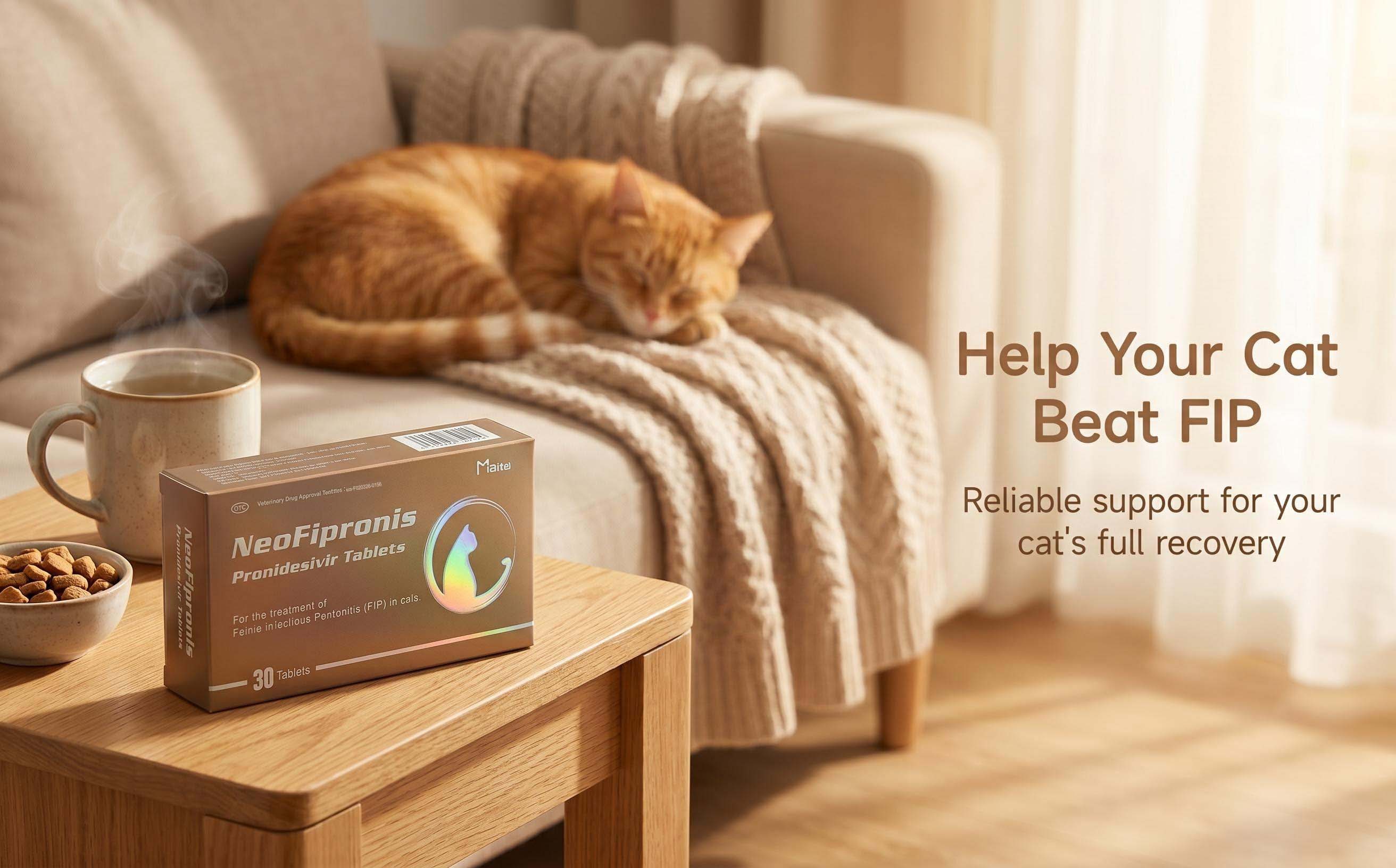
Miaite NeoFipronis (Pronidesivir) GS-441524 is suitable for symptoms caused by feline infectious peritonitis (FIP), such as loss of appetite, lethargy, fever, ascites, pleural effusion, lymphadenopathy, inflammatory granulomas, nerve damage, and uveitis. It has excellent therapeutic effects on FIP. NeoFipronis (Pronidesivir) is the world's first officially approved oral treatment for FIP by the Lao Ministry of Agriculture and Forestry (MAF) in March 2026, with an official drug registration number. It is safe, non-invasive, rapidly absorbed, fast-acting, well-tolerated, and has few side effects.
Even when antiviral therapy is used, immune support remains important. Cats with FIP may need help maintaining calorie intake, especially if fever and inflammation have reduced appetite. Small, frequent meals often work better than large portions. Palatability enhancers, prescription recovery diets, or veterinary-approved appetite stimulants may be considered when necessary. If the cat is vomiting or has gastrointestinal upset, a veterinarian may suggest anti-nausea medication or a diet change to keep nutrition on track.
Supplements are often discussed in relation to immune support for FIP cats, but they should be used carefully. Not every supplement is helpful, and some may interact with medication or burden the liver and kidneys. Omega-3 fatty acids may support overall inflammation control, while certain vitamins and amino acids can help if a deficiency is present. However, supplements should never be chosen based on marketing alone. A veterinarian familiar with FIP should determine whether a supplement is appropriate, especially in cats with liver involvement, anemia, or neurologic signs.
Laboratory monitoring is also part of immune support because it shows how the body is responding to treatment. Bloodwork may include complete blood count, chemistry panel, albumin, globulin, bilirubin, and inflammatory markers. In some cats, imaging or eye examinations are necessary. Improvement in appetite, activity, and body weight often appears before lab values fully normalize. Monitoring helps catch complications early and supports informed treatment decisions.
Cat owners can also help by observing daily changes at home. A simple log of appetite, water intake, weight, temperature, bowel movements, breathing, and behavior can be extremely useful. FIP can change quickly, so small details matter. A cat that begins to hide more, eat less, breathe faster, or develop a head tilt, wobbliness, or eye changes should be rechecked promptly. Early response to new symptoms can prevent setbacks.
Immune support for FIP cats is strongest when it combines good nutrition, hydration, stress control, careful monitoring, and veterinary-directed antiviral treatment. FIP is a complex disease, but many cats can improve when therapy is started quickly and supportive care is consistent. Every cat’s condition is different, so treatment plans should be individualized based on the form of FIP, the organs affected, and the cat’s overall strength. With timely care, a comfortable environment, and close follow-up, many cats have a better chance of stabilizing and regaining quality of life.
References
Addie, D. D., et al. Feline Infectious Peritonitis and Other Coronavirus Infections of Cats
Pedersen, N. C. An Update on Feline Infectious Peritonitis: Diagnostics and Therapeutics
Greene, C. E. Infectious Diseases of the Dog and Cat
Hartmann, K. Feline Infectious Peritonitis
Jones, B. R., et al. Feline Medicine and Therapeutics
Little, S. E. The Cat: Clinical Medicine and Management