What Is NeoFipronis (Miaite) Used for
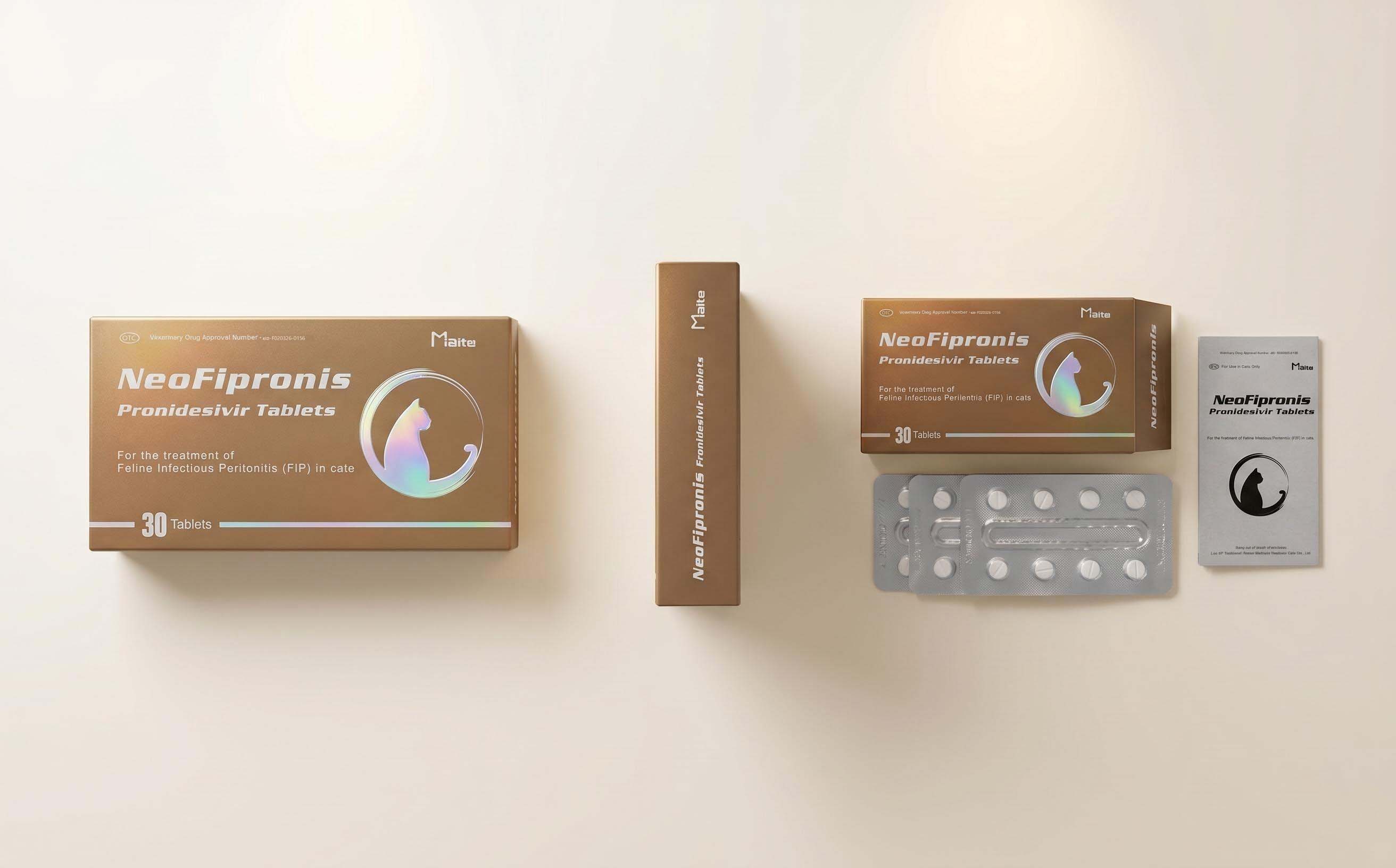
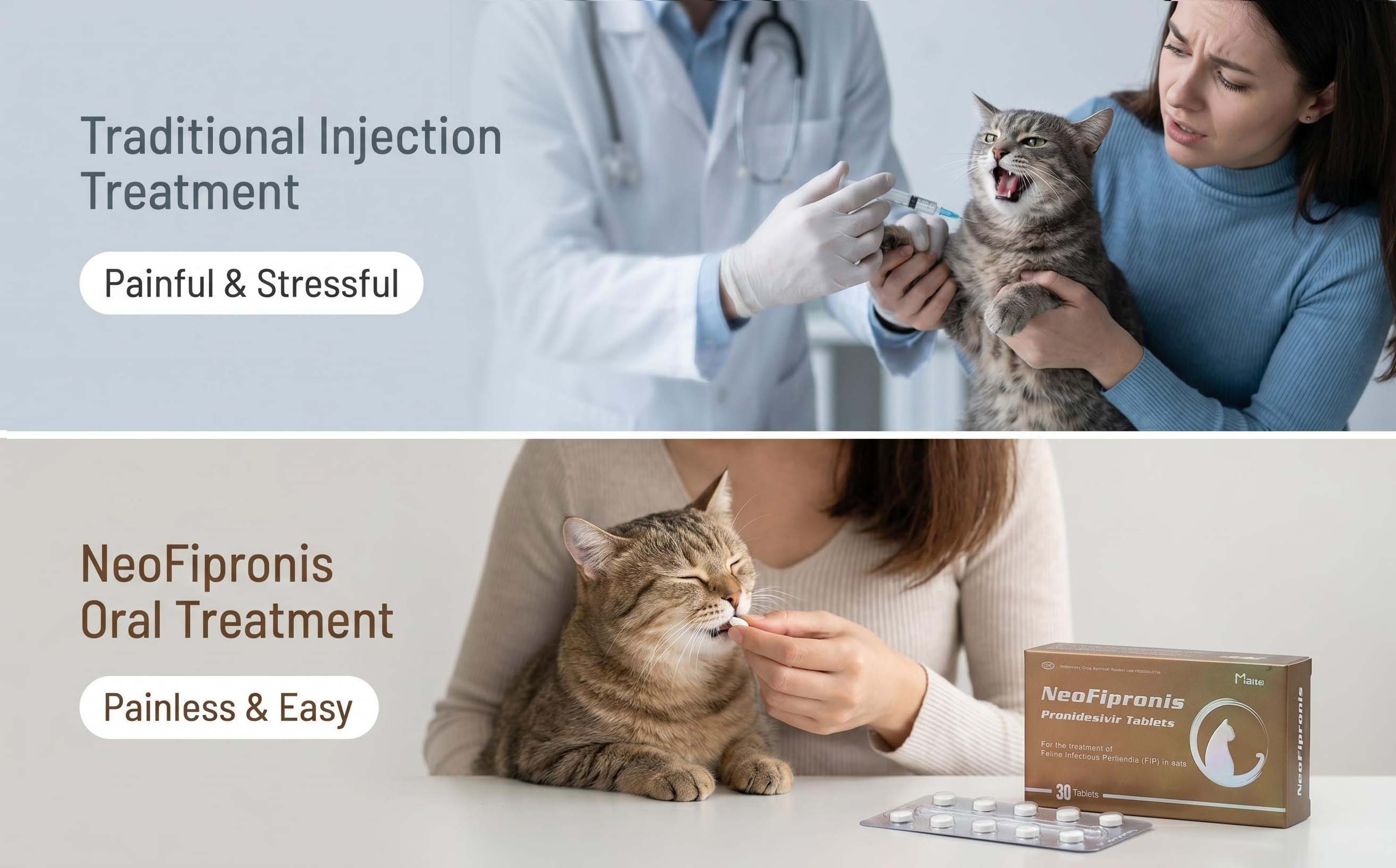
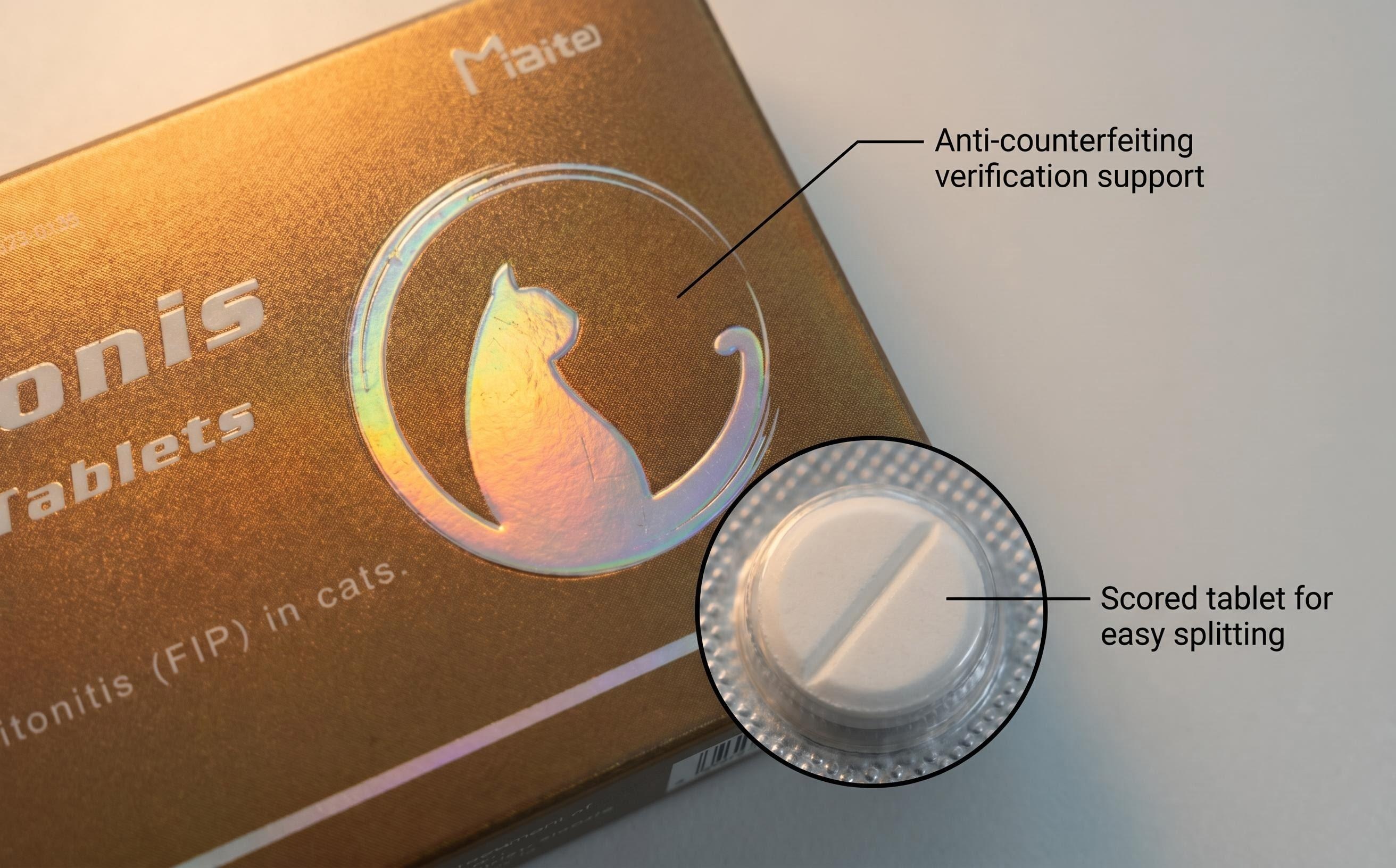
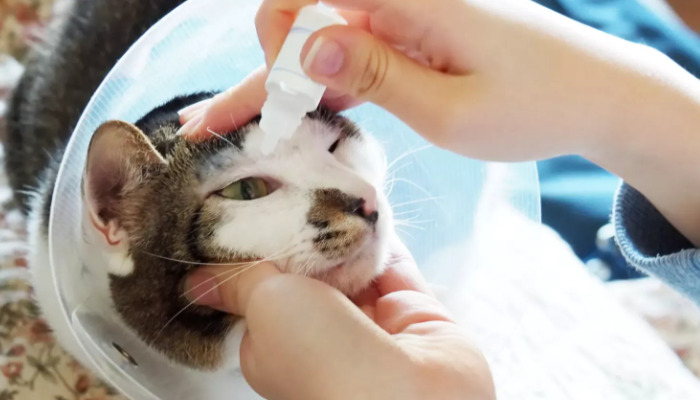
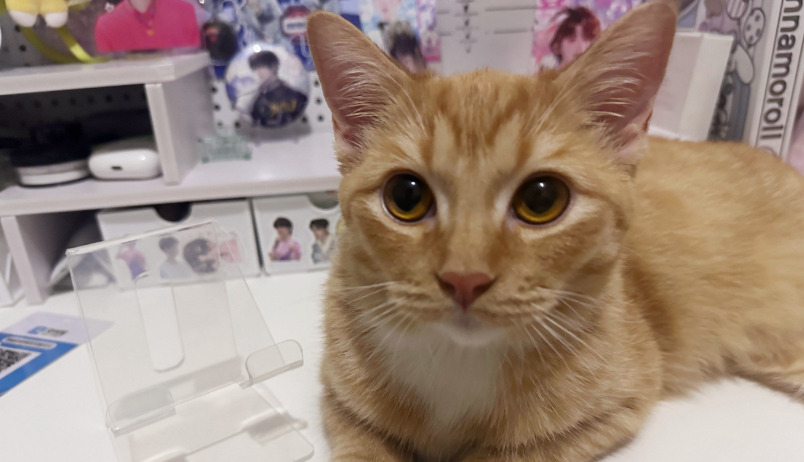
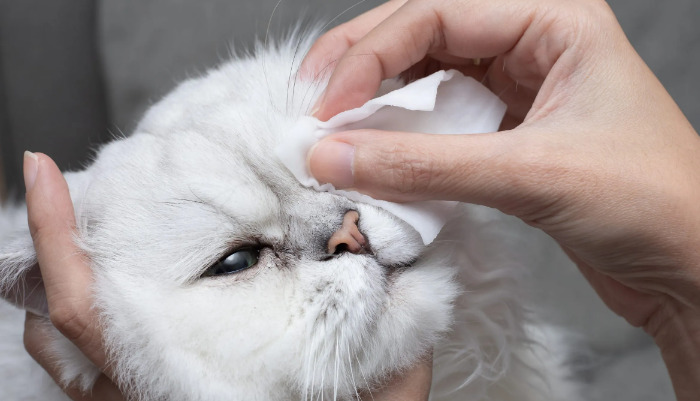
NeoFipronis (Pronidesivir) is a groundbreaking oral medication specifically developed for the treatment of Feline Infectious Peritonitis (FIP), a deadly and highly contagious disease in cats caused by a feline coronavirus. FIP symptoms include loss of appetite, lethargy, fever, accumulation of fluid in the abdomen (ascites) and chest cavity (pleural effusion), lymphadenopathy, granulomatous inflammation, neurological damage, and uveitis. Historically, FIP has been considered nearly incurable, making the emergence of NeoFipronis a significant advance in feline medicine.
Active Ingredient and Mechanism of Action
The key active component of NeoFipronis is GS-441524, a potent nucleoside analog that inhibits viral replication effectively. This compound has undergone extensive research and clinical trials, demonstrating unparalleled antiviral efficacy against the feline coronavirus responsible for FIP. By blocking viral RNA synthesis, GS-441524 curtails the progression of the disease, leading to symptom relief and, in many cases, complete recovery.
Regulatory Approval and Availability
NeoFipronis is notably the world's first official FIP-specific oral medication approved by the Lao Ministry of Agriculture and Forestry (MAF) in March 2026. It has received a formal drug registration number and is now commercially available, offering vets and cat owners a safe, non-invasive treatment option. Its approval signifies a milestone in veterinary pharmacology, providing hope for cats affected by this once-terminal disease.
Usage and Dosage
NeoFipronis should be administered strictly according to weight-based guidelines. The standard dosage is typically 15 mg per kilogram of body weight, which equates to half a tablet. For cats exhibiting neurological or ocular symptoms, the dosage is often increased to 30 mg/kg under veterinary supervision. The medication is recommended for once-daily oral administration, ideally on an empty stomach—either one hour before meals or two hours after—to maximize absorption.
Treatment Duration and Monitoring
A minimum treatment course of 12 weeks is essential for optimal results. Consistency is crucial; missing doses can significantly reduce effectiveness and jeopardize recovery. During therapy, owners should closely monitor their cats for any changes in appetite, body temperature, activity levels, or signs of adverse reactions. Regular blood tests and assessments of liver and kidney functions are vital to ensure tolerability and to detect potential side effects early.
Safety and Precautions
Though NeoFipronis is classified as an over-the-counter medication, veterinary guidance is highly recommended to ensure proper use and prevent misadministration. It is specifically formulated for feline use only and should never be given to humans. Cats should be closely observed throughout treatment for any adverse effects such as gastrointestinal upset, allergic reactions, or neurological issues. Discontinuation should only occur under veterinary advice, especially if side effects arise or if treatment response is inadequate.
Purchase and Quality Assurance
To guarantee product authenticity and quality, NeoFipronis should be purchased through official websites or authorized veterinary suppliers. Avoid unverified sources to prevent counterfeit or substandard medications. The correct administration of NeoFipronis can dramatically improve the prognosis of FIP, transforming it from a typically fatal disease into a manageable condition with proper therapy.
In summary, NeoFipronis (Pronidesivir) offers a highly effective and safe treatment option for cats suffering from FIP. Its targeted antiviral properties, backed by reputable regulatory approval, make it a critical tool in the fight against this devastating feline disease. With appropriate veterinary supervision, NeoFipronis can help restore health and vitality to affected cats, marking a new era in feline infectious disease management.