What Are the Drug Interactions of GS-441524 (NeoFipronis)
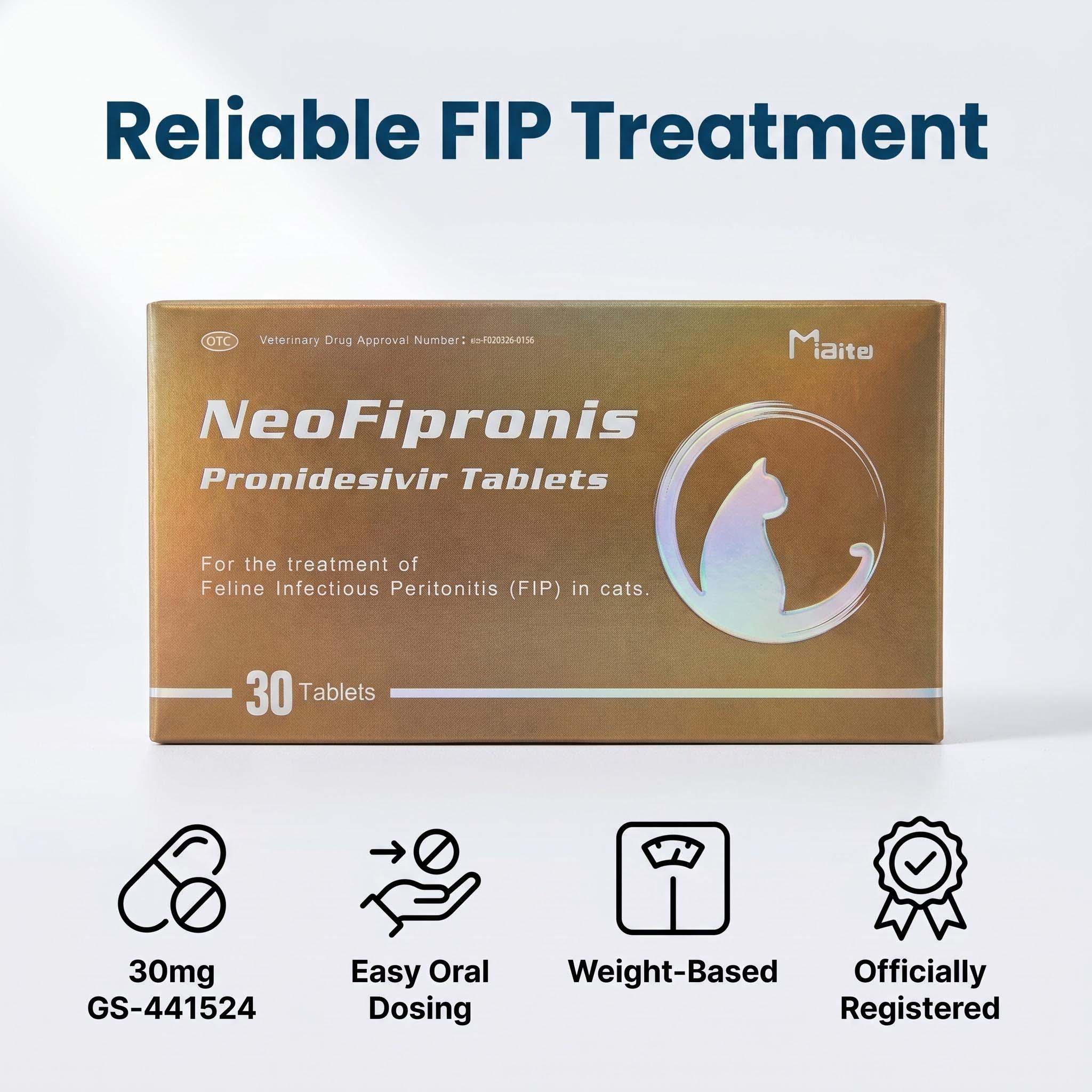
GS-441524, the active ingredient in NeoFipronis (Pronidesivir), has revolutionized the treatment of Feline Infectious Peritonitis (FIP)—a once fatal disease caused by feline coronavirus. As a nucleoside analog, GS-441524 exhibits potent antiviral activity, effectively targeting the replication process of the virus. While its efficacy in controlling FIP is well-documented, understanding its potential drug interactions is crucial for safe and effective therapy.
Pharmacological Profile of GS-441524
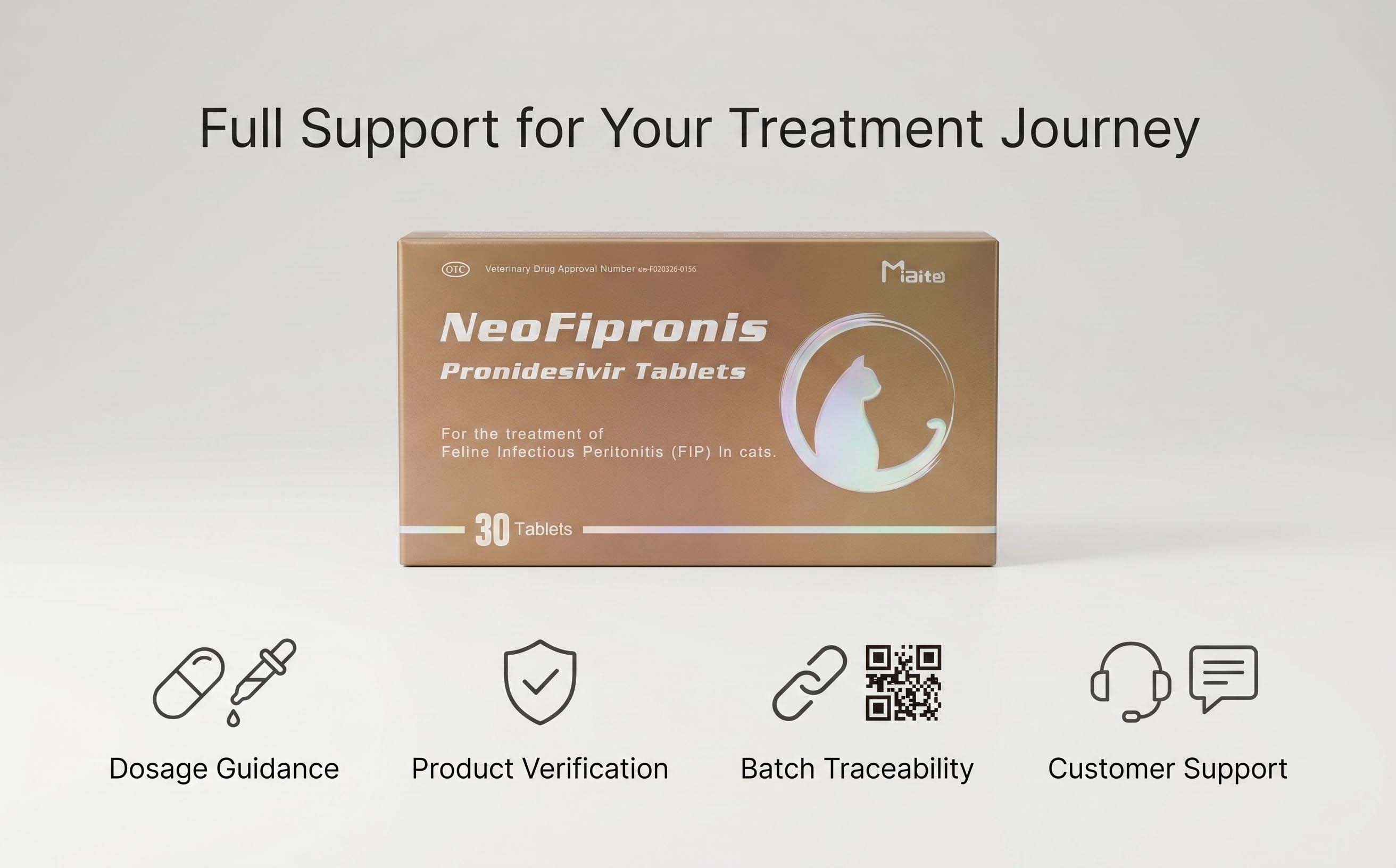
GS-441524 functions by inhibiting viral RNA-dependent RNA polymerase, halting viral replication. Its high bioavailability, rapid absorption, and minimum side effects make it a preferred choice for veterinarians worldwide. NeoFipronis, approved in Laos in March 2026 by the Ministry of Agriculture and Forestry, is the first officially registered oral medication for FIP, demonstrating remarkable success in clinical applications. Its safety profile and excellent tolerance make it suitable for long-term treatment, typically requiring continuous administration for no less than 12 weeks.
Potential Drug Interactions
1. Nephrotoxic Agents
While GS-441524 is generally well tolerated, caution is advised when combining with nephrotoxic drugs such as aminoglycosides or NSAIDs. These medications can compromise kidney function, potentially exacerbating renal side effects. Regular monitoring of renal parameters is recommended during concurrent use.
2. Other Antiviral Drugs
Concurrent use of other antiviral agents, such as ribavirin or acyclovir, should be approached cautiously. Although there are no well-documented adverse interactions, synergistic toxicity could occur, necessitating close veterinary supervision.
3. Immunosuppressants
Combining GS-441524 with immunosuppressive medications like corticosteroids or cyclosporine may impair immune response, potentially reducing the antiviral effectiveness or increasing susceptibility to secondary infections. A carefully balanced approach is essential, often requiring dose adjustments.
4. Drug Metabolizing Enzymes
GS-441524 is metabolized primarily in the liver. Drugs that induce or inhibit hepatic enzymes—such as rifampicin (inducer) or ketoconazole (inhibitor)—may alter its plasma concentrations. This could impact drug efficacy or increase toxicity, underscoring the importance of monitoring therapeutic levels where feasible.
5. Blood Clotting Agents
Since FIP can cause vasculitis and coagulopathy, the addition of anticoagulants like warfarin or low-molecular-weight heparin warrants caution. Interactions might increase bleeding risks, emphasizing the necessity of coagulation profile assessments during treatment.
Safety and Monitoring
Despite being a non-prescription medication in some regions, NeoFipronis should ideally be used under veterinary guidance. Regular blood work—including liver and kidney function tests—is vital to detect any adverse effects early. Adjustments to dosing or discontinuation may be necessary based on clinical response and laboratory findings.
Conclusion
GS-441524 (NeoFipronis) offers a groundbreaking approach to FIP therapy, with a promising safety profile. Awareness of potential drug interactions enhances treatment safety, ensuring optimal outcomes for infected cats. Veterinarians and pet owners should communicate closely, adhering to recommended protocols and continuous monitoring for a successful recovery process. Always purchase NeoFipronis through official channels to guarantee product authenticity and quality.