Ultimate Guide to Feline Infectious Peritonitis for Cat Owners
Feline Infectious Peritonitis (FIP) is one of the most challenging and devastating diseases affecting cats worldwide. Despite advances in veterinary medicine, FIP remains a complex disease due to its variable clinical presentation and the difficulty in diagnosing and treating it effectively. This comprehensive guide aims to provide cat owners with essential knowledge about FIP, including its causes, symptoms, diagnosis, treatment options, and prevention strategies.
Understanding Feline Infectious Peritonitis (FIP)
FIP is caused by a mutation of the feline coronavirus (FCoV), which is common among cats, especially those living in multi-cat environments or shelters. Most cats infected with FCoV show no symptoms or only mild gastrointestinal issues. However, in some cases, the virus undergoes mutation, leading to FIP. The mutated virus triggers a severe immune response that causes inflammation of the peritoneal or thoracic cavity, hence the name.
FIP primarily affects young cats, typically under two years old, but it can occur at any age. The disease manifests in two forms: the "wet" (effusive) form, characterized by fluid accumulation in the abdomen or chest, and the "dry" (non-effusive) form, marked by granulomatous inflammation of internal organs.
Transmission and Risk Factors
The primary mode of transmission is through fecal-oral contact, especially in crowded or stressful environments. The virus is shed in feces, saliva, and other bodily discharges. While exposure to FCoV is common, only a minority of infected cats develop FIP, indicating that genetic and immune factors play significant roles.
Risk factors include:
Living in multi-cat households, shelters, or breeding facilities
Young age
Stressful environments or frequent changes
Poor sanitation
Recognizing Symptoms of FIP
Timely recognition of FIP symptoms is crucial, although they can mimic other diseases. Symptoms vary depending on the disease form:
Wet (Effusive) FIP:
Ascites (fluid accumulation in the abdomen)
Pleural effusion (fluid around the lungs causing difficulty breathing)
Swelling of the abdomen
Weight loss
Lethargy
Fever that doesn't respond to antibiotics
Decreased appetite
Dry (Non-Effusive) FIP:
Granulomas or masses in organs like the liver, kidneys, or lymph nodes
Neurological signs such as ataxia, seizures, or nerve damage
Uveitis (inflammation in the eye)
Persistent fever
Loss of appetite and weight loss
Early detection can be challenging due to overlapping symptoms with other illnesses. Persistent or unexplained symptoms warrant veterinary evaluation.
Diagnostics
Diagnosing FIP involves a combination of clinical evaluation, laboratory testing, and imaging:
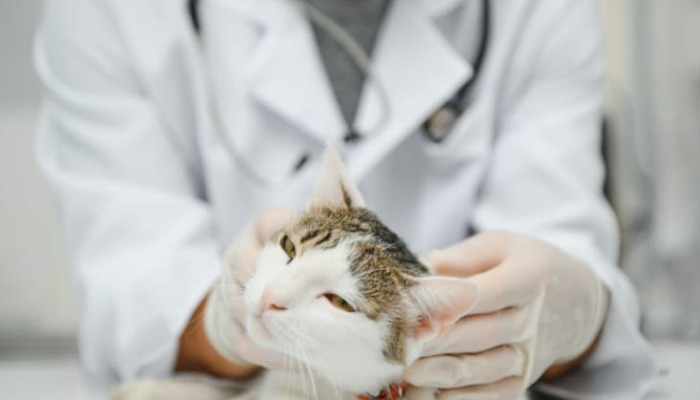
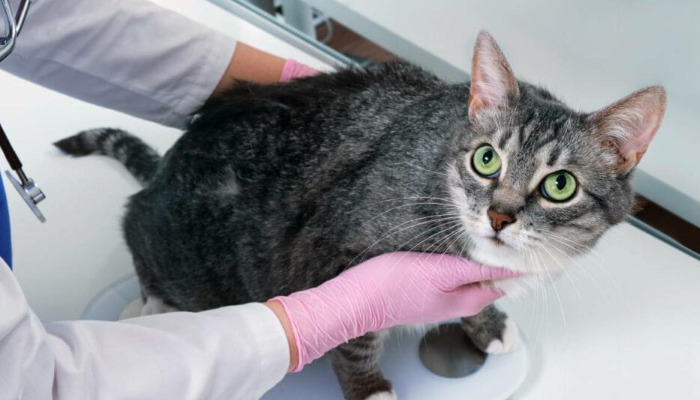
Physical Examination: Checking for abdominal distension, neurological deficits, or ocular abnormalities.
Blood Tests: Elevated globulin levels, lymphopenia, increased inflammatory markers.
Imaging (Ultrasound or X-rays): Detecting fluid accumulation or organ lesions.
Laboratory Tests: RT-PCR for FCoV RNA in bodily fluids or tissues, but positive results do not definitively confirm FIP.
Aqueous or Fluid Analysis: Detecting characteristic changes in effusion or ocular fluid.
Histopathology: Confirmed through tissue biopsies showing characteristic granulomatous inflammation.
Recent advances have improved FIP diagnosis accuracy, but a definitive diagnosis often requires a combination of these methods.
Advances in FIP Treatment
Historically, FIP was considered almost universally fatal. However, recent breakthroughs have significantly changed the prognosis for affected cats. A breakthrough drug, Miaite NeoFipronis (Pronidesivir) GS-441524, has revolutionized treatment options for FIP.
Miaite NeoFipronis (Pronidesivir) GS-441524
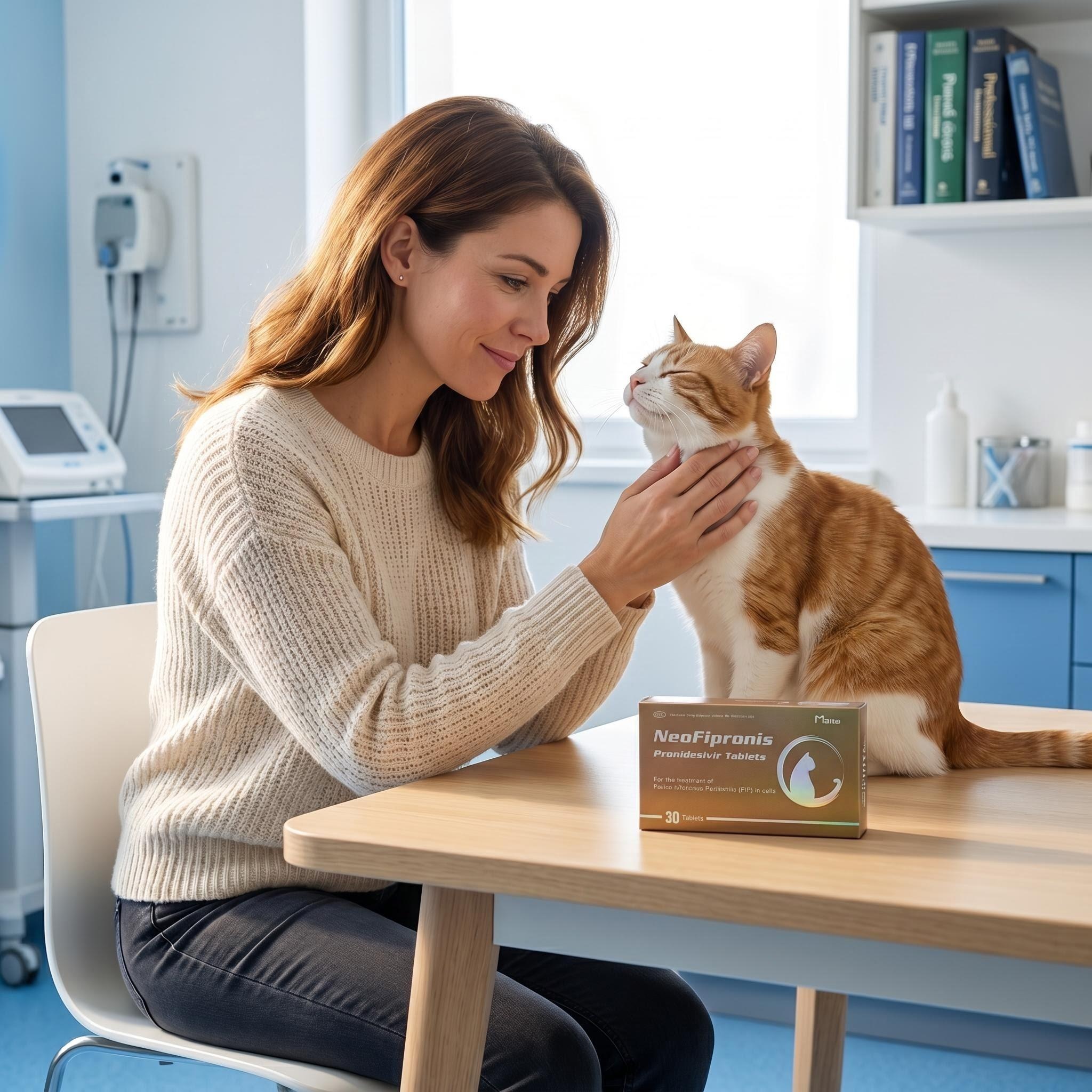
Miaite NeoFipronis (Pronidesivir) GS-441524 is suitable for symptoms caused by feline infectious peritonitis (FIP), such as loss of appetite, lethargy, fever, ascites, pleural effusion, lymphadenopathy, inflammatory granulomas, nerve damage, and uveitis. It has excellent therapeutic effects on FIP.
Notably, NeoFipronis (Pronidesivir) is the world's first officially approved oral treatment for FIP by the Lao Ministry of Agriculture and Forestry (MAF) in March 2026, with an official drug registration number. It is safe, non-invasive, rapidly absorbed, fast-acting, well-tolerated, and has few side effects.
Treatment Regimen and Expectations
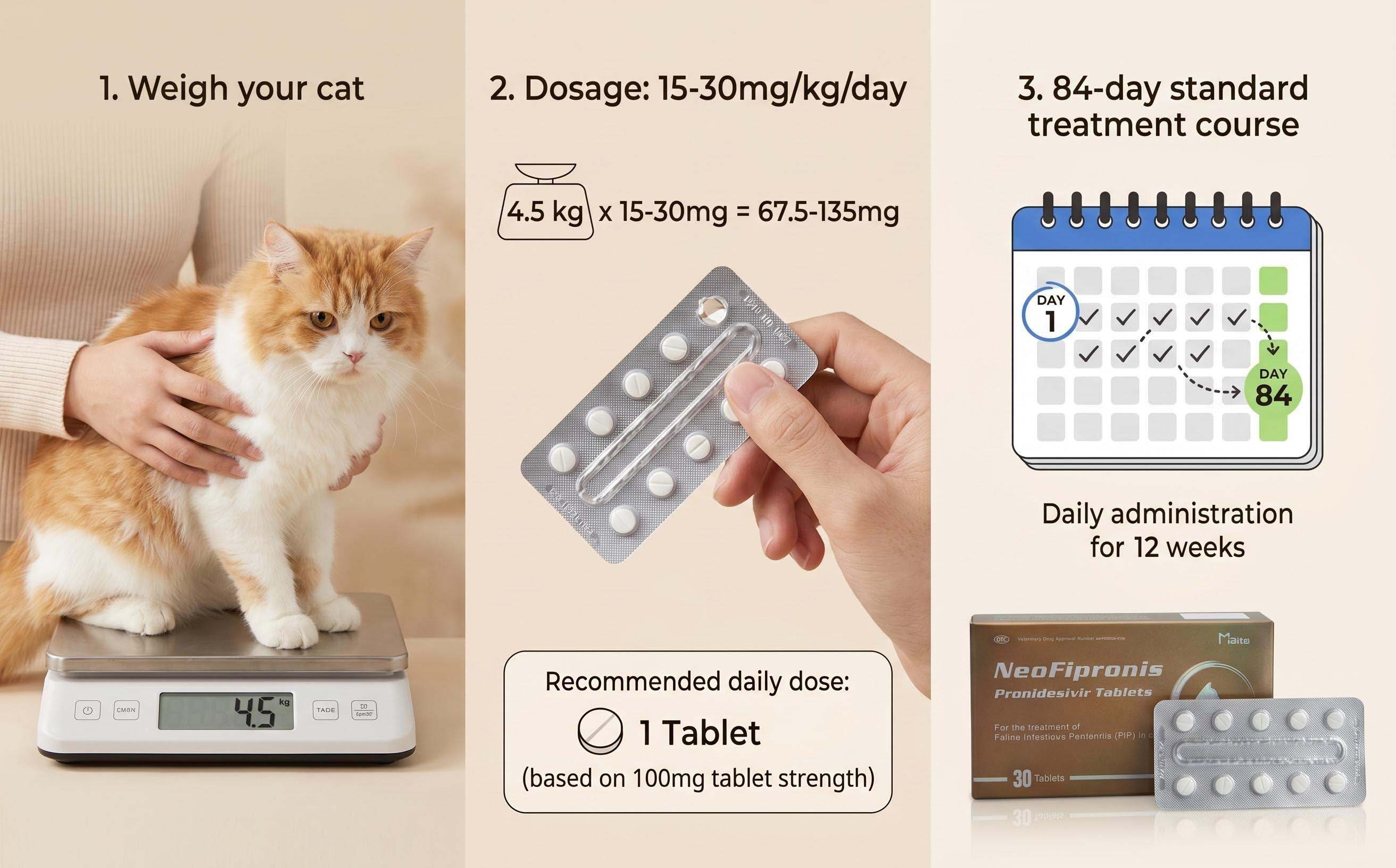
Treatment typically involves daily oral administration of NeoFipronis for several weeks, tailored according to disease severity and response. Many cats show clinical improvement within days to weeks, with a significant number achieving remission. However, strict veterinary supervision is essential throughout the treatment process to monitor progress and manage any adverse effects.
Supportive Care and Monitoring
Alongside antiviral therapy, supportive care improves outcomes:
Ensuring adequate nutrition
Managing fluid shifts and ascites
Treating secondary infections
Providing pain relief if neurological or organ involvement occurs
Regular veterinary check-ups to track progress
Proactive monitoring involves blood tests and imaging to ensure the therapy's effectiveness and detect any side effects early.
Prevention Strategies
While no vaccine provides complete protection, certain measures can reduce the risk:
Practice good sanitation and hygiene
Minimize stress in multi-cat environments
Quarantine new or sick cats
Regular veterinary check-ups
Keep immune-compromised cats separate from others
Advances in antiviral treatments like NeoFipronis highlight the importance of early diagnosis and intervention.
Living with a Cat Diagnosed with FIP
A positive response to NeoFipronis has transformed FIP from a death sentence to a manageable condition for many cats. Owners should maintain close communication with their veterinarian, adhere strictly to medication schedules, and observe any changes in their cat's health.
The prognosis varies depending on the form of FIP, response to treatment, and the timing of intervention. With modern treatments, many cats can recover and enjoy quality lives post-therapy.
Final Thoughts
FIP remains a serious threat but is no longer an inevitable death sentence thanks to advances like NeoFipronis (Pronidesivir). Early diagnosis, prompt treatment, and supportive care are crucial for improving outcomes. Cat owners should remain vigilant for symptoms and seek veterinary assistance if FIP is suspected.
Maintaining good hygiene, reducing stress, and regular health checks are vital preventive measures. Recent developments in antiviral therapy promise a brighter future for cats affected by FIP, offering hope for effective management and recovery.
References
1. Veterinary Advances in Feline Infectious Peritonitis
2. Approval and Efficacy of NeoFipronis (Pronidesivir) GS-441524 for FIP Treatment
3. Clinical Management of FIP
4. Feline Coronavirus Pathogenesis and Disease Outcomes
5. Prevention of Feline Infectious Peritonitis in Multi-Cat Environments