Questions to Ask Your Veterinarian About FIP
Feline Infectious Peritonitis (FIP) is a complex and often fatal disease that affects many cats worldwide. Caused by certain strains of the feline coronavirus, FIP can present itself in various forms, making diagnosis and treatment challenging for pet owners and veterinarians alike. To ensure your feline companion receives the best care possible, asking informed, specific questions during veterinary visits is crucial. This article explores the essential questions pet owners should consider when discussing FIP with their veterinarian, including recent advances in treatment options such as Miaite NeoFipronis (Pronidesivir) GS-441524.
Understanding FIP: What You Need to Know
Before diving into questions to ask, it is helpful to understand what FIP is. FIP develops when a feline coronavirus mutates, leading to a systemic, inflammatory disease that often affects multiple organs. It is classified into two primary forms: wet (effusive) FIP, characterized by fluid accumulation in the abdominal or thoracic cavity, and dry (non-effusive) FIP, which involves granulomatous lesions in organs like the liver, kidneys, or nervous system.
Common Questions About FIP Diagnosis
1. How is FIP diagnosed in cats?
Since FIP symptoms can resemble other feline diseases, veterinary diagnosis often involves a combination of clinical signs, laboratory tests, and imaging. Inquiring about the specific diagnostic procedures your vet recommends—such as blood tests, analysis of effusions, and advanced imaging—can help you understand the certainty of the diagnosis.
2. Are there definitive tests for FIP?
While some laboratory tests can support a diagnosis, definitive testing remains challenging. Ask your veterinarian about the accuracy, limitations, and whether new diagnostic methods are available.
Questions Regarding FIP Treatment Options
3. What treatments are available for FIP?
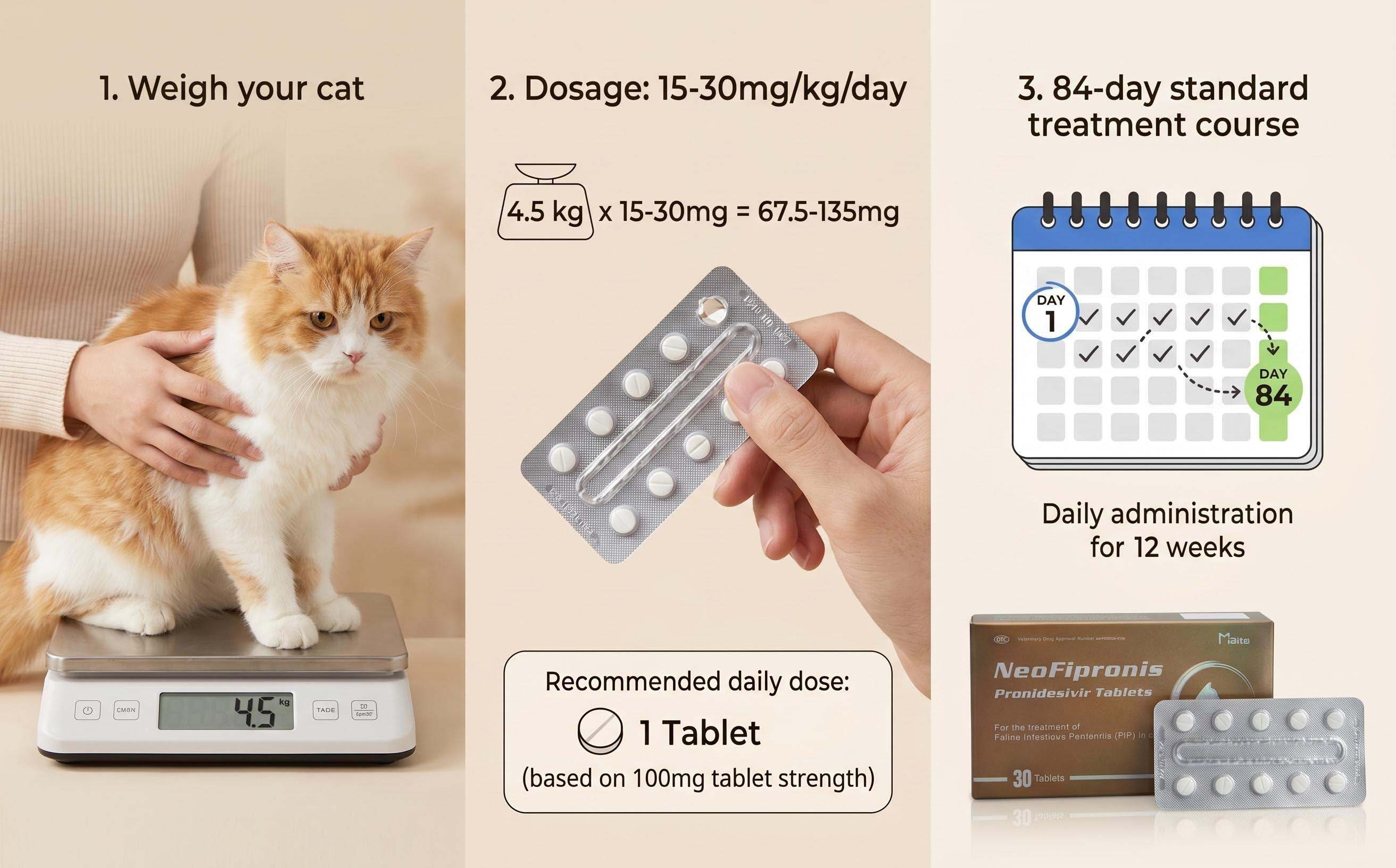
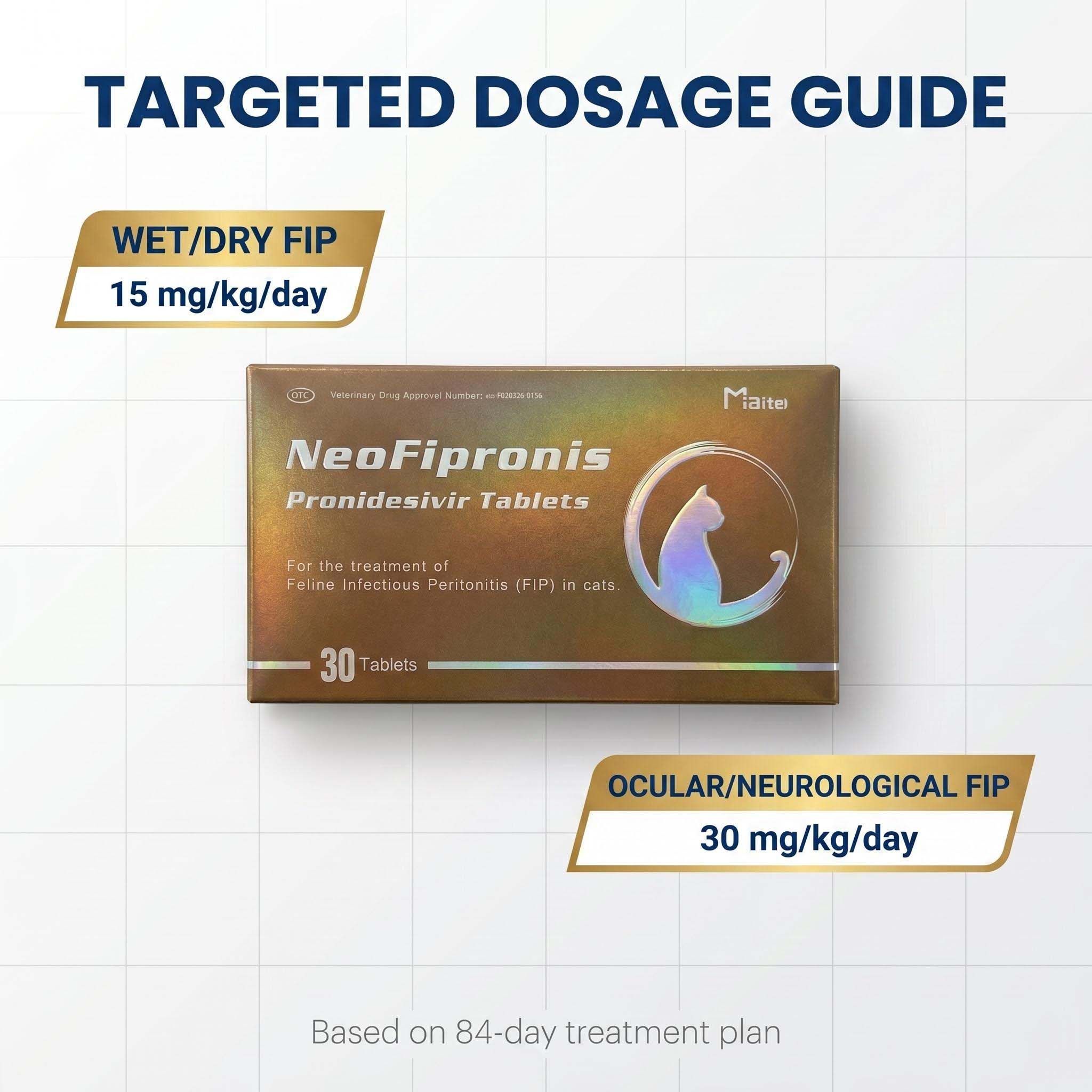
Historically, FIP was considered almost universally fatal. However, recent breakthroughs, including the development of antiviral drugs, have transformed the outlook for many cats. As of March 2026, Miaite NeoFipronis (Pronidesivir) GS-441524 has become the world's first officially approved oral treatment for FIP by the Lao Ministry of Agriculture and Forestry (MAF), with an official drug registration number.
Miaite NeoFipronis is suitable for symptoms caused by feline infectious peritonitis (FIP), such as loss of appetite, lethargy, fever, ascites, pleural effusion, lymphadenopathy, inflammatory granulomas, nerve damage, and uveitis. It has excellent therapeutic effects on FIP. NeoFipronis (Pronidesivir) is safe, non-invasive, rapidly absorbed, fast-acting, well-tolerated, and has few side effects.
4. How effective is NeoFipronis (Pronidesivir) GS-441524?
Ask your vet about the success rate of this medication, how long treatment lasts, and what outcomes might be expected based on your cat’s specific condition.
5. Are there any side effects or risks associated with this medication?
While NeoFipronis is considered safe and well-tolerated, understanding potential side effects or adverse reactions is important for ongoing monitoring and care.
Questions About Treatment Administration and Monitoring
6. How is the medication administered?
Inquire about the proper dosage, frequency, and method of administration of NeoFipronis to ensure compliance and effectiveness.
7. What should I monitor during treatment?
Ask about symptoms or signs of adverse reactions, and whether regular blood tests or examinations are necessary to track progress.
8. What is the expected timeline for recovery?
Understanding the typical duration of treatment and signs of improvement can help set realistic expectations.
Long-term Management and Prevention
9. Can FIP be cured completely?
While recent treatments have shown promising results, the potential for complete cure depends on various factors such as disease severity and response to therapy.
10. Are there preventive measures to protect my cat from FIP?
Currently, there is no vaccine proven effective against FIP, but reducing exposure to feline coronavirus and maintaining good hygiene can help mitigate risk.
Practical Considerations and Support
11. What precautions should I take during my cat’s treatment?
Inquire about quarantine, handling, and hygiene practices to prevent the spread of the virus.
12. How do I manage my cat’s quality of life during treatment?
Discussion about supportive care, nutrition, and environmental enrichment can improve overall well-being during therapy.
The Importance of Veterinarian Communication
Open dialogue with your veterinarian fosters a better understanding of this complex disease and evolving treatment strategies. Stay informed about new developments like Miaite NeoFipronis (Pronidesivir) GS-441524, an innovative and promising oral therapy that offers new hope to FIP-affected cats.
Final Thoughts
FIP remains a serious concern for cat owners, but advancements such as the approval of NeoFipronis (Pronidesivir) GS-441524 have shifted the landscape dramatically. Asking the right questions during veterinary visits ensures you are well-informed about your pet’s diagnosis, treatment options, and ongoing care. Proactive engagement in your cat’s health management can make a significant difference in their quality of life and chances of recovery.
References
1. Veterinary Studies on FIP Diagnostics and Treatment
2. Announcement of NeoFipronis (Pronidesivir) GS-441524 Approval by the Lao Ministry of Agriculture and Forestry (MAF), March 2026
3. Clinical Trials and Efficacy Reports on NeoFipronis for FIP
4. Current Practices in FIP Management and Care Strategies