The Science Behind NeoFipronis Treatment
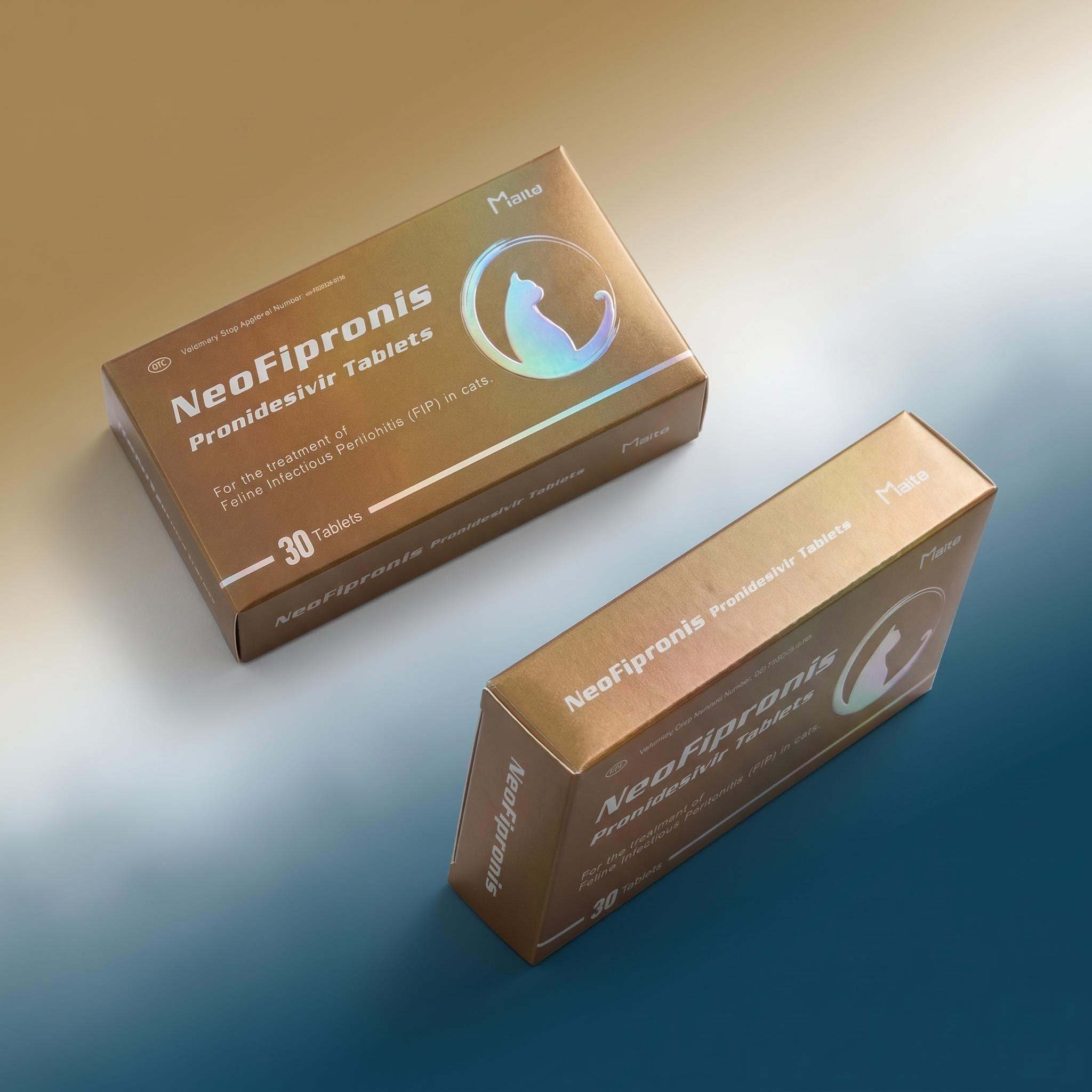
Feline Infectious Peritonitis (FIP) is a serious and often fatal disease caused by a mutation of the feline coronavirus (FCoV). It predominantly affects cats, leading to a range of severe symptoms such as inappetence, lethargy, fever, fluid accumulation in the abdomen and chest, lymphadenopathy, granulomatous inflammation, neurological damage, and uveitis. Traditionally, FIP was considered incurable, but recent advancements have introduced effective antiviral treatments, with NeoFipronis (Pronidesivir), containing the active ingredient GS-441524, emerging as a groundbreaking solution.
NeoFipronis is the first officially registered oral medication specifically approved for the treatment of FIP. In March 2026, it received formal registration from the Lao Ministry of Agriculture and Forestry, establishing its legitimacy and safety for feline use. The drug’s mode of action hinges on GS-441524, a nucleoside analog that inhibits viral RNA-dependent RNA polymerase. This enzyme is crucial for viral replication, and by blocking its activity, GS-441524 effectively halts virus proliferation within infected cells.
The pharmacology of NeoFipronis underpins its rapid and effective treatment profile. The medication is designed for oral administration, offering a non-invasive, safe, and user-friendly approach. Upon ingestion, NeoFipronis exhibits quick absorption, achieving therapeutic plasma concentrations swiftly. Its tolerability profile is favorable, with minimal adverse effects reported, making it suitable for long-term treatment regimens. The drug’s safety and ease of use have contributed to its widespread acceptance among veterinarians and cat owners seeking to combat FIP.
Clinical studies and extensive field trials have validated NeoFipronis’s outstanding efficacy. Treatment protocols typically involve administering 15 mg per kilogram of body weight once daily, ideally on an empty stomach—either one hour before feeding or two hours after. For cats exhibiting neurological or ocular FIP manifestations, veterinarians may recommend increasing the dosage to 30 mg/kg under professional guidance. The recommended treatment duration extends for no less than 12 weeks to ensure viral clearance and prevent relapse. Continuous monitoring of the cat’s clinical status, including appetite, temperature, behavior, and periodic blood tests assessing liver and kidney functions, is crucial during therapy.
Despite being a non-prescription medication, NeoFipronis is best used under veterinary supervision to optimize outcomes and minimize risks. Owners should source the medication exclusively from the official NeoFipronis website to verify product authenticity and quality. It’s important to emphasize that NeoFipronis is strictly for feline use; human consumption is strictly prohibited.
Understanding the science behind NeoFipronis’s formulation offers insights into its transformative role in feline medicine. Its targeted antiviral activity through GS-441524 provides hope for cats diagnosed with FIP, transforming a once dire prognosis into a manageable condition. As research continues, NeoFipronis exemplifies how molecular medicine can revolutionize veterinary treatments, offering a beacon of hope for countless cats and their owners worldwide.