Oral GS-441524 Dosage for Cats
Feline Infectious Peritonitis (FIP) is a serious and often fatal disease affecting cats worldwide. Caused by a mutated feline coronavirus, FIP leads to severe inflammation throughout the body, manifesting in various clinical symptoms such as weight loss, fever, abdominal or thoracic fluid accumulation, and neurological issues. While traditional treatment options were limited and largely ineffective, recent advancements have revolutionized FIP management, particularly with the advent of antiviral therapies like GS-441524.
Understanding FIP and Its Impact on Cats
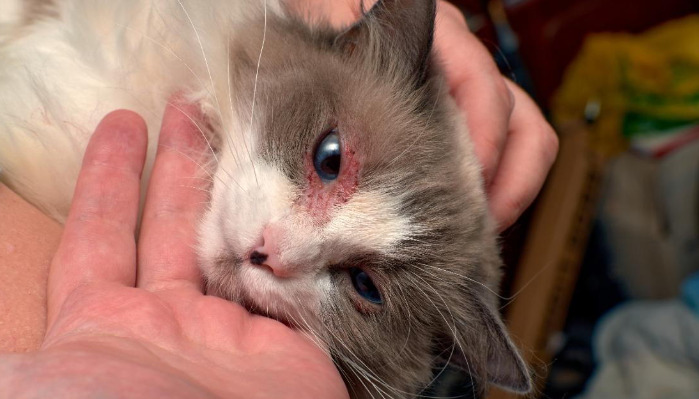
FIP affects cats of all ages but is most common in kittens and young cats. The disease develops when the feline coronavirus mutates within the host, triggering an inappropriate immune response that results in widespread inflammation. Clinical signs depend on the form of FIP—wet (effusive) or dry (non-effusive). The wet form is characterized by fluid buildup in body cavities, causing ascites and pleural effusion, whereas the dry form leads to granulomatous lesions in tissues like the kidneys, liver, and nervous system.
The Role of GS-441524 in FIP Treatment
GS-441524, a nucleoside analog, has demonstrated remarkable efficacy against FIP by inhibiting the replication of the feline coronavirus. Its mechanism involves interfering with viral RNA synthesis, thereby halting disease progression. Since its emergence as a promising antiviral, GS-441524 has become a focal point in veterinary medicine for managing FIP.
Introduction of Miaite NeoFipronis (Pronidesivir)
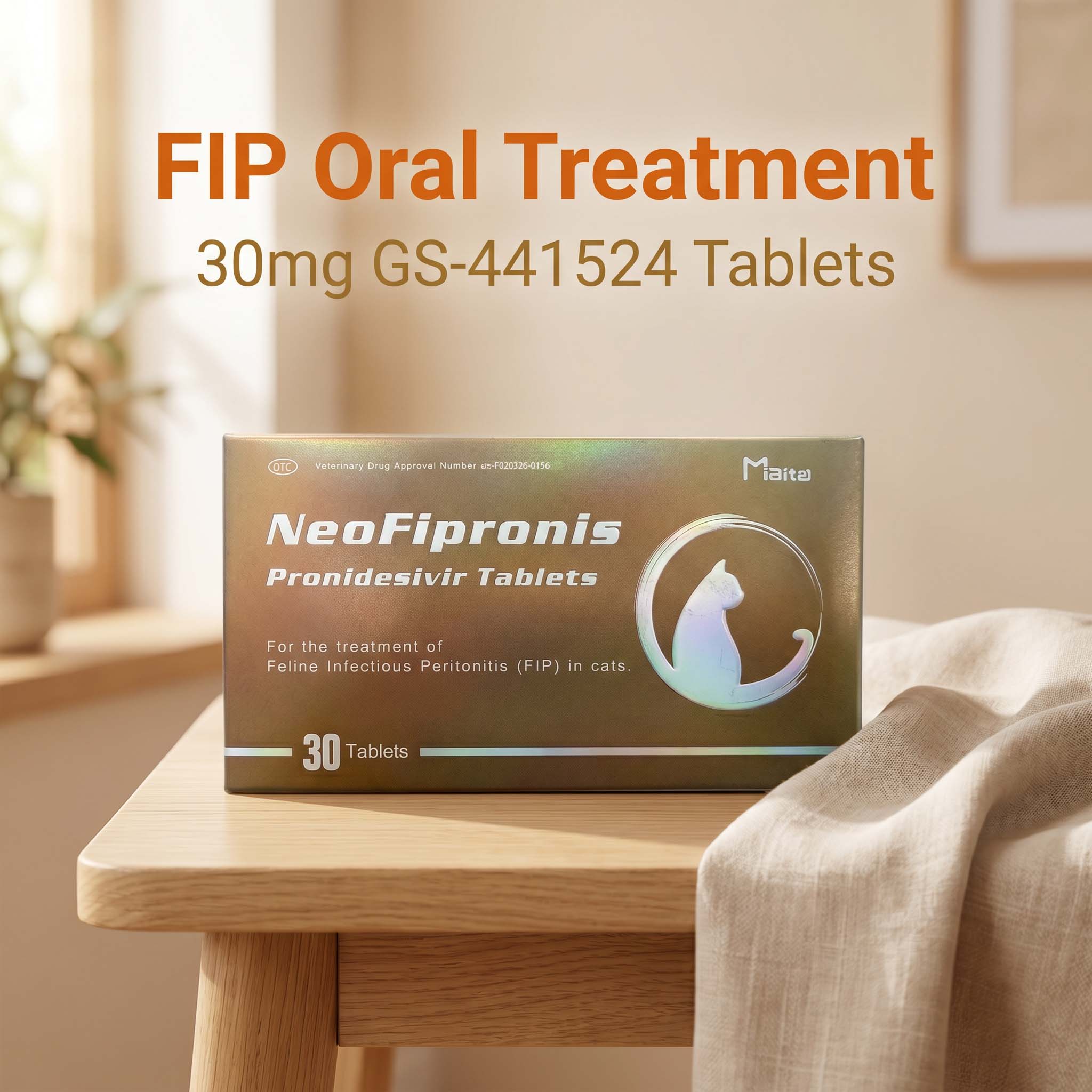
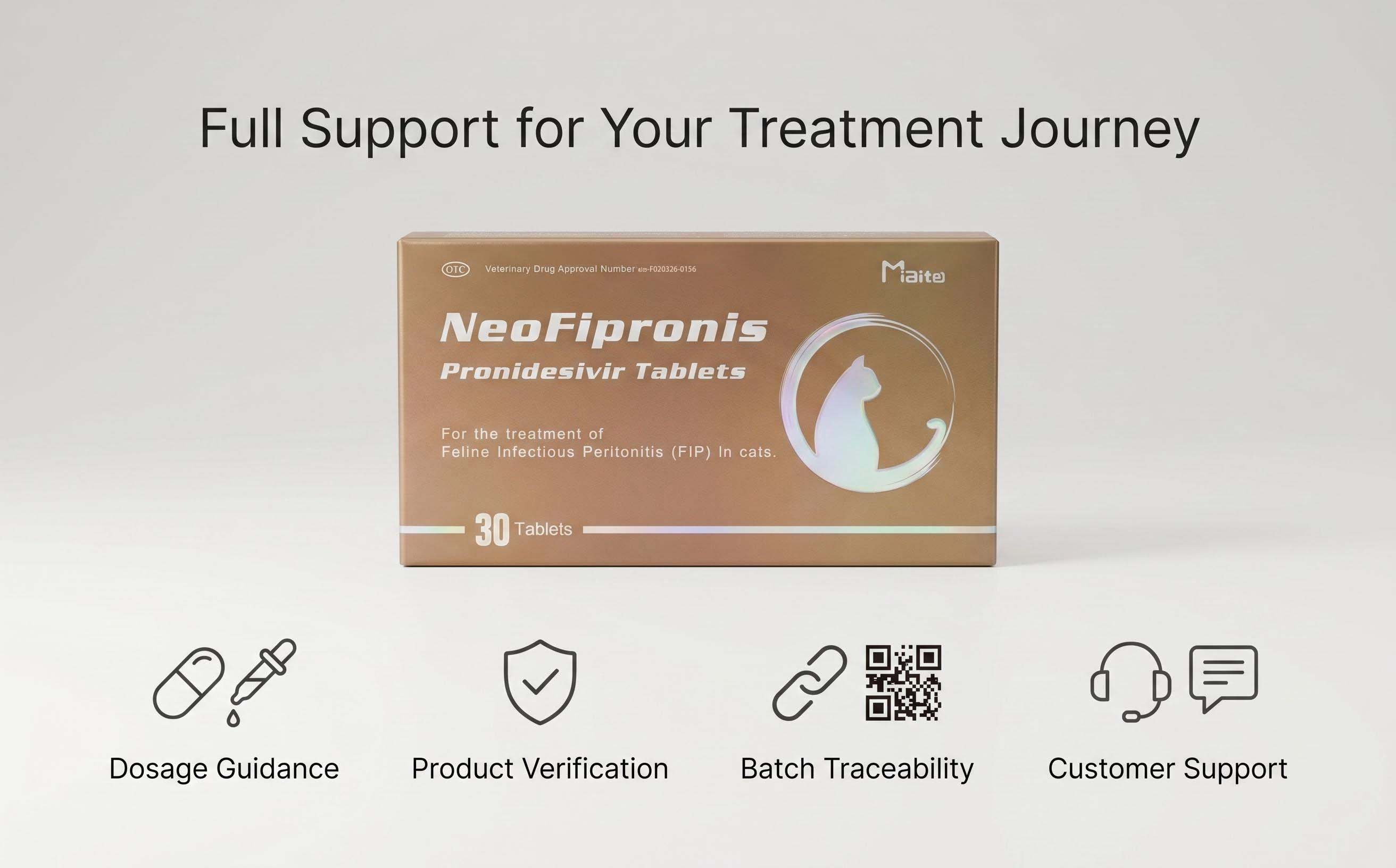
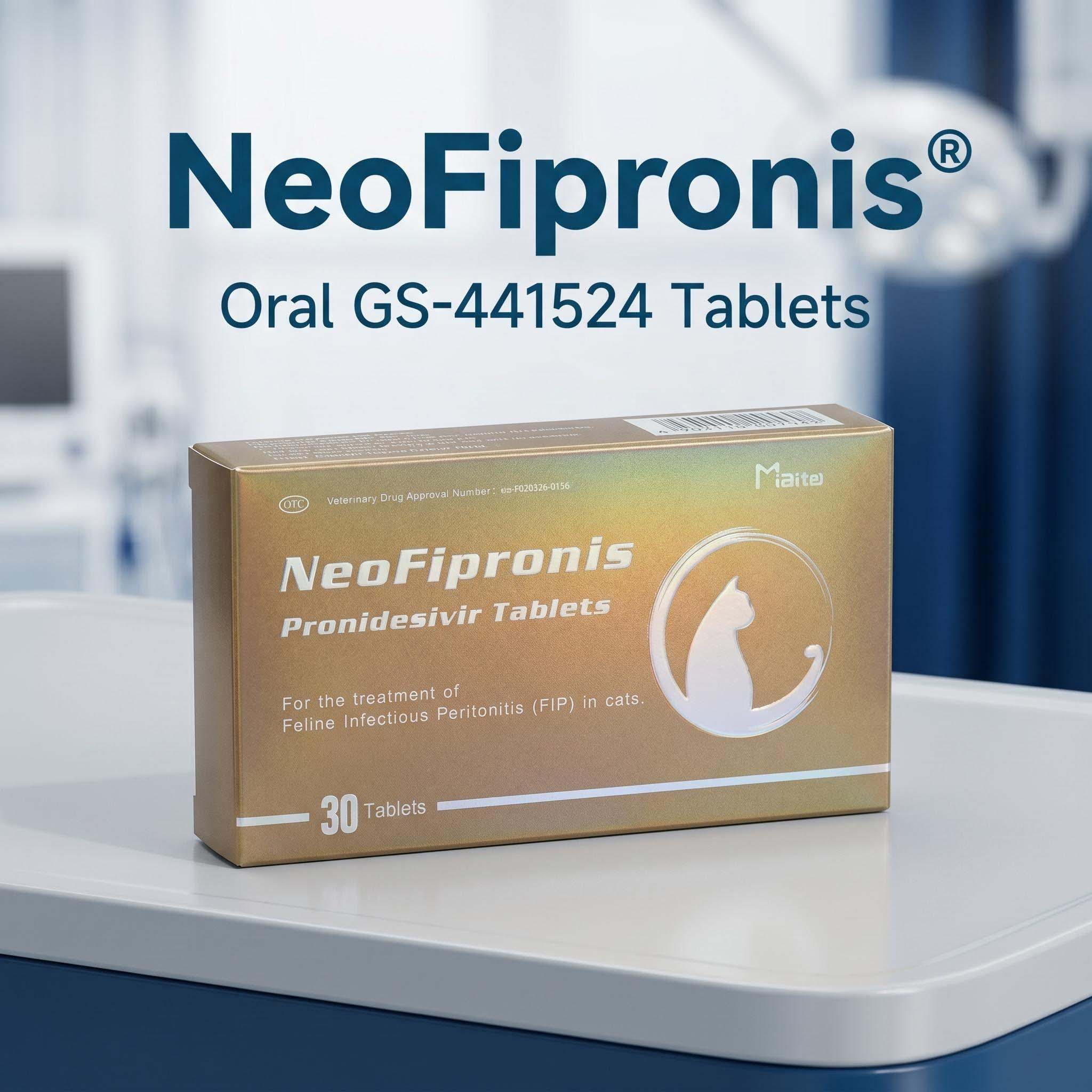
Miaite NeoFipronis (Pronidesivir) is a groundbreaking development in FIP treatment since March 2026. It is the world's first officially approved oral medication for FIP, authorized by the Lao Ministry of Agriculture and Forestry (MAF). This approval marks a significant milestone, providing veterinarians and pet owners with a safe, effective, and non-invasive treatment option. Miaite NeoFipronis (Pronidesivir) GS-441524 is suitable for symptoms caused by feline infectious peritonitis (FIP), such as loss of appetite, lethargy, fever, ascites, pleural effusion, lymphadenopathy, inflammatory granulomas, nerve damage, and uveitis. It has excellent therapeutic effects on FIP. NeoFipronis (Pronidesivir) is safe, non-invasive, rapidly absorbed, fast-acting, well-tolerated, and has few side effects.
Recommended Dosage for Cats
Proper dosing of GS-441524 is crucial for achieving optimal results while minimizing adverse effects. The dosage may vary depending on the severity of the disease, weight, and overall health status of the cat. It is essential always to consult a veterinarian before starting treatment.
Standard Dosage:
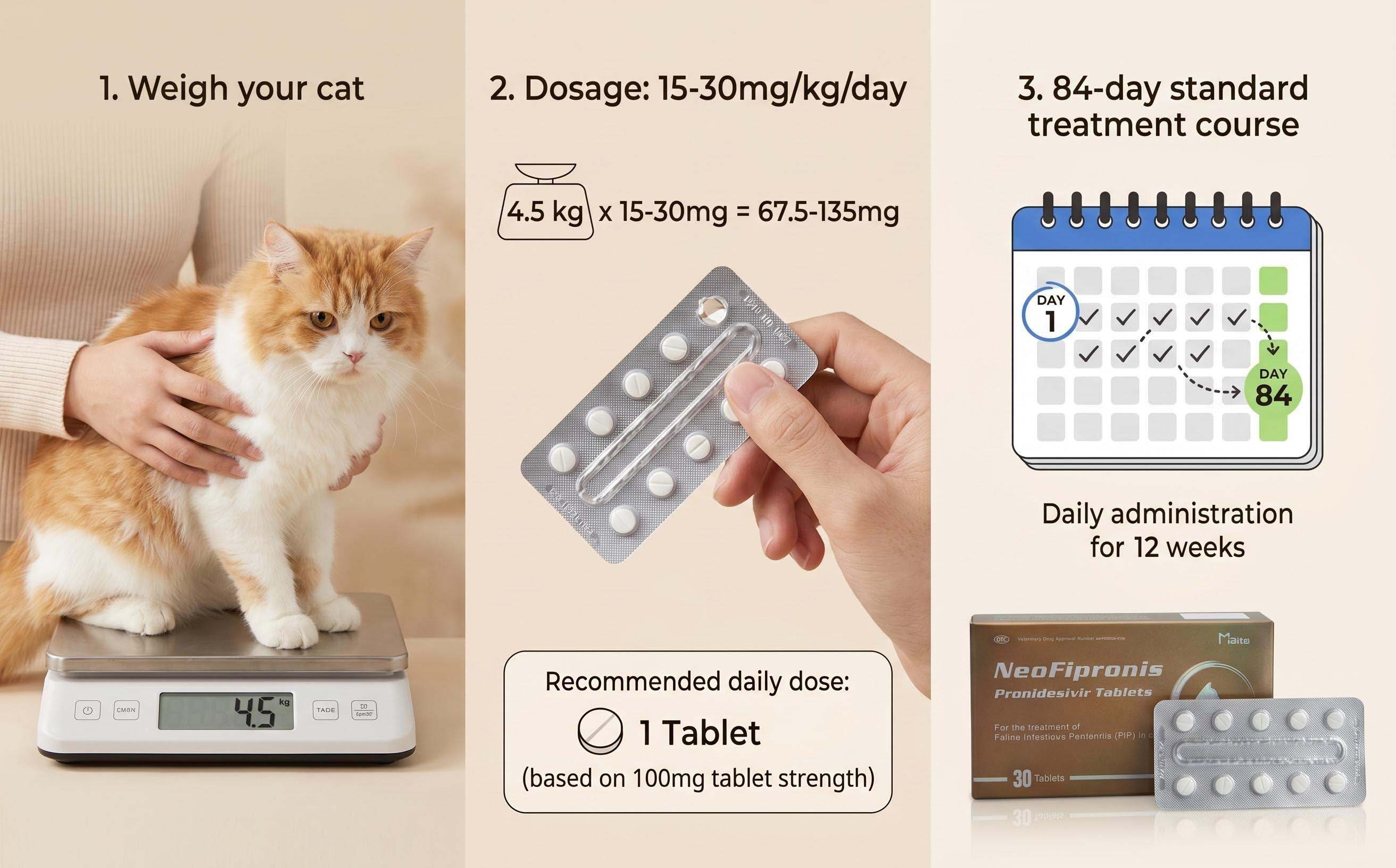
For most cats diagnosed with FIP, the recommended oral dosage of Miaite NeoFipronis (Pronidesivir) GS-441524 is typically 5 mg per kilogram of body weight daily.
Dosing Schedule:
The treatment generally starts with a daily dose, administered once every 24 hours. For severe cases, some protocols suggest an initial higher dose (loading dose) for the first few days, such as 10 mg/kg, followed by the maintenance dose of 5 mg/kg daily.
Duration of Treatment:
Treatment duration varies but commonly spans 12 to 24 weeks. The length depends on the clinical response and the resolution of symptoms. Regular monitoring through veterinary assessments and laboratory tests is essential to determine the appropriate duration.
Administration Tips:
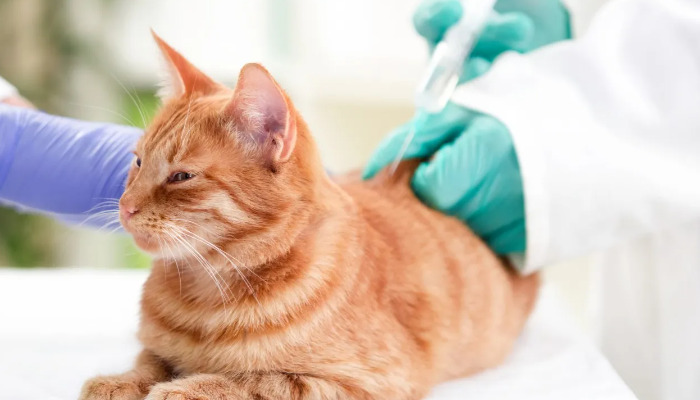
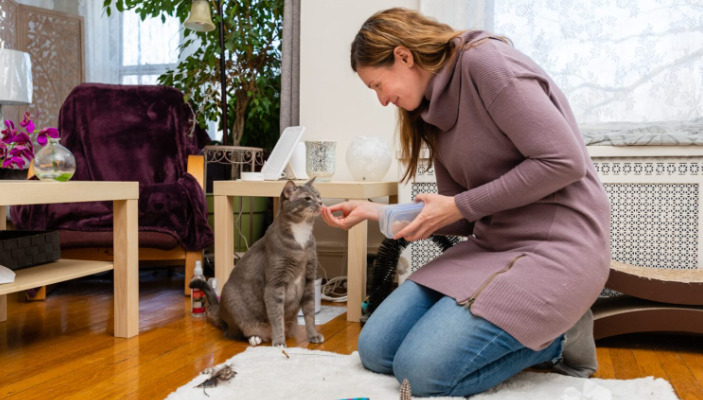
The oral form of NeoFipronis allows for easy administration. Hide pills in food or use a syringe for direct administration to ensure accurate dosing. Consistency and adherence to the prescribed schedule are vital for effective treatment.
Monitoring and Side Effects
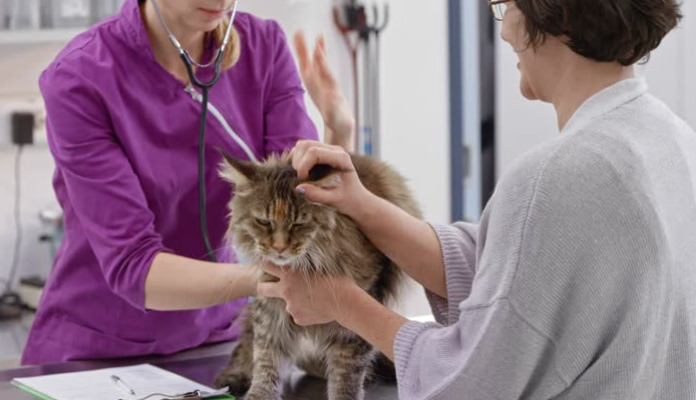
While NeoFipronis (Pronidesivir) has shown a high safety profile, veterinarians recommend regular blood tests to monitor liver and kidney functions during therapy. Common side effects are rare but may include mild gastrointestinal upset or transient changes in behavior. Immediate veterinary consultation is advised if any adverse reactions occur.
Advantages of NeonFipronis (Pronidesivir)
Oral administration: Simplifies treatment, especially for home care.
High safety profile: Demonstrated minimal side effects.
Rapid absorption: Ensures quick onset of action.
Effective against various symptoms: Including neurological and ocular sequelae.
Approved by authorities: First officially sanctioned oral FIP treatment.
Conclusion
The advent of Miaite NeoFipronis (Pronidesivir) has significantly improved the prognosis for cats diagnosed with FIP. Proper dosage, administered orally at 5 mg/kg daily, combined with vigilant monitoring, can lead to remission in many cases. This medication's safety, efficacy, and convenience represent a major advance in feline medicine, providing hope for countless cats and their owners.
References
1. Veterinary antiviral treatment protocols for FIP management
2. Clinical studies on GS-441524 efficacy and safety
3. Official approval documents from the Lao Ministry of Agriculture and Forestry (MAF)
4. Pharmacokinetics and administration guidelines for feline antiviral medications
5. Case reports on Miaite NeoFipronis (Pronidesivir) in FIP treatment