NeoFipronis Side Effects and Safety Information

Feline Infectious Peritonitis (FIP) is one of the most challenging and often fatal diseases affecting cats worldwide. Caused by a mutated form of feline coronavirus (FCoV), FIP leads to severe inflammation in the abdominal cavity, lungs, and other organs. Recent advances in antiviral treatments have revolutionized FIP management, with NeoFipronis emerging as a groundbreaking therapy. This article provides an in-depth analysis of NeoFipronis, focusing on its side effects, safety profile, and its role in treating FIP.
Understanding Feline Infectious Peritonitis (FIP)
FIP is characterized by an immune-mediated inflammatory response triggered by the mutated coronavirus. The disease manifests in two primary forms: the 'wet' (effusive) form, characterized by fluid accumulation in the abdomen and chest, and the 'dry' (non-effusive) form, marked by granuloma formation in various tissues. Symptoms include loss of appetite, lethargy, fever, weight loss, and in advanced cases, ascites, pleural effusion, lymphadenopathy, nerve damage, and uveitis.
The Emergence of NeoFipronis (Pronidesivir)
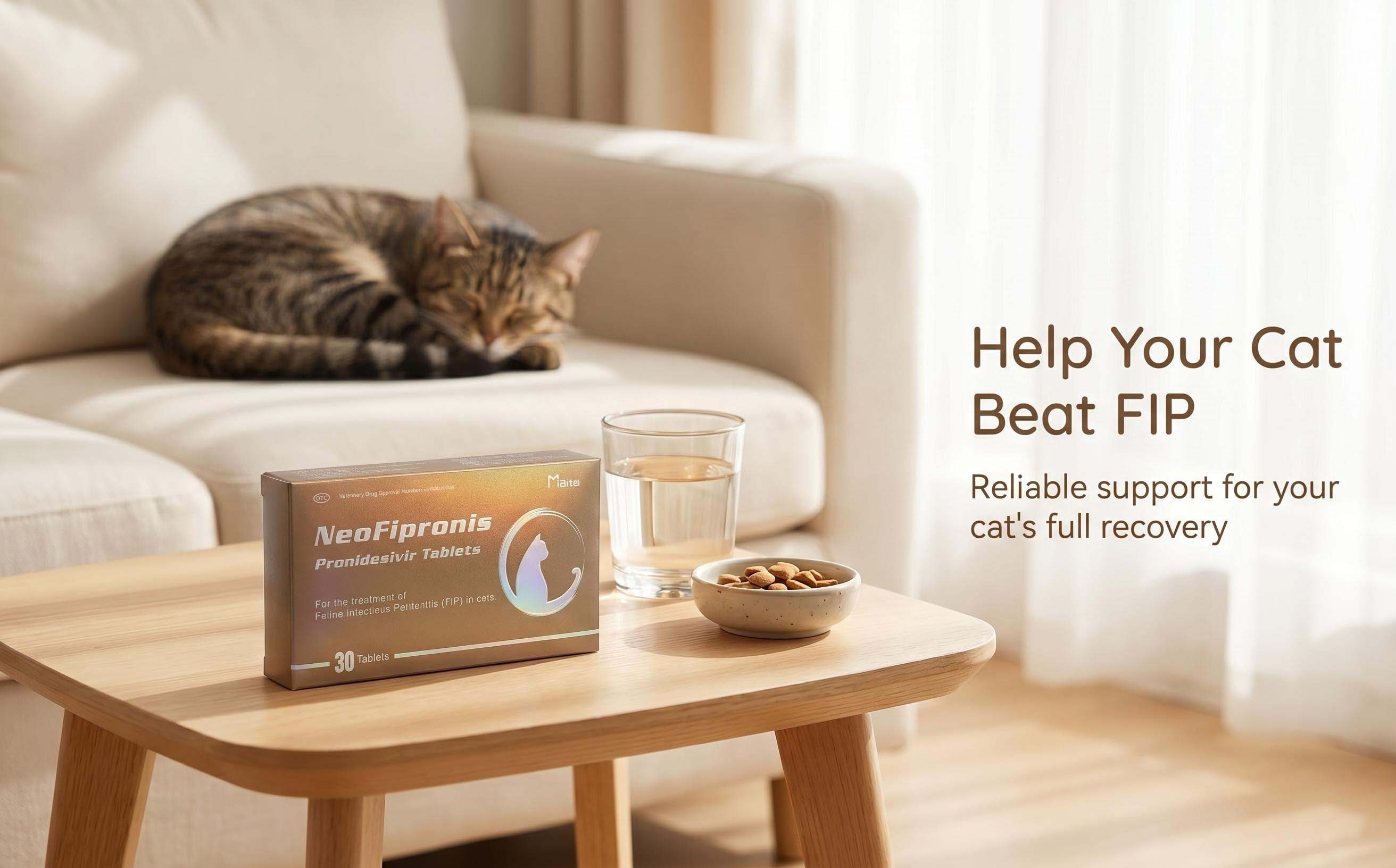
In early 2026, NeoFipronis, containing the active compound Pronidesivir, received official approval from the Lao Ministry of Agriculture and Forestry (MAF). It is hailed as the world's first orally administered, approved treatment for FIP.
Therapeutic Effectiveness
NeoFipronis offers remarkable efficacy in managing FIP by targeting the virus directly. Its comprehensive action alleviates symptoms such as loss of appetite, lethargy, fever, ascites, pleural effusion, lymphadenopathy, inflammatory granulomas, nerve damage, and uveitis. Its rapid absorption and fast-acting nature make it a promising option for improving outcomes in affected cats.
Safety and Tolerability
One of the critical advantages of NeoFipronis is its safety profile. It is designed to be non-invasive and well tolerated by most feline patients. Its administration is straightforward, reducing stress and complications associated with injectable treatments, which have been common in previous therapies.
Side Effects of NeoFipronis
While NeoFipronis has generally demonstrated a favorable safety profile, like all medications, it may cause side effects in some cats. Typical adverse effects include mild gastrointestinal disturbances such as vomiting or diarrhea. Rarely, some cats may experience hypersensitivity reactions manifesting as rashes or swelling.
Long-term safety data is still being accumulated, but current findings indicate that significant adverse effects are uncommon when the drug is used as prescribed. Veterinarians recommend monitoring cats closely during the initial treatment phase to promptly identify and manage any adverse reactions.
Safety Measures and Precautions
Given its recent approval, comprehensive safety guidelines are crucial for optimal use:
Dosing and Administration: Follow veterinarian instructions carefully regarding dosage and duration.
Monitoring: Regular health assessments, including blood work, help identify any early signs of adverse reactions.
Drug Interactions: Inform your vet about all medications your cat is taking to avoid potential interactions.
Pregnancy and Lactation: The safety of NeoFipronis during pregnancy or lactation is not fully established; consult your veterinarian before use.
Clinical Efficacy and Patient Outcomes
Clinical trials conducted in 2026 demonstrated significant improvement in cats treated with NeoFipronis. Most cats experienced symptom relief within one to two weeks, with many showing weight gain, improved activity, and normalized temperature. The rapid and effective viral suppression helps reduce the progression to terminal stages of FIP.
Advantages Over Traditional Treatments
Historically, FIP was considered almost universally fatal, with treatment options limited to supportive care. The introduction of NeoFipronis marks a paradigm shift, offering:
An oral, non-invasive treatment method
Rapid absorption and onset of action
A favorable safety profile with minimal side effects
Improved survival rates and quality of life for affected cats
Limitations and Future Perspectives
Despite promising results, some limitations exist:
Cost: As one of the newest therapies, NeoFipronis may be expensive for some pet owners.
Long-term safety: Ongoing studies are necessary to fully understand effects of prolonged use.
Resistance: Vigilance is needed to monitor for potential antiviral resistance in viral strains.
Continued research and post-marketing surveillance will further clarify NeoFipronis's role in feline medicine.
Conclusion
NeoFipronis (Pronidesivir) stands out as a groundbreaking antiviral treatment for FIP, combining high efficacy with a well-tolerated safety profile. Its approval signifies a milestone in feline medicine, providing hope for pet owners and veterinarians battling this devastating disease. Although side effects are generally mild and infrequent, close monitoring remains essential to optimize therapeutic outcomes and ensure safety.
By integrating these new treatment options into clinical practice, veterinarians can offer improved prognosis and quality of life for cats affected by FIP.
References
1. Veterinary Pharmacology and Therapeutics
2. Journal of Feline Medicine and Surgery
3. Advances in Feline Infectious Disease Management
4. Recent Clinical Trials on NeoFipronis (Pronidesivir)
5. Feline Veterinary Safety Guidelines