NeoFipronis (Miaite) Resistance and Treatment Outcomes
Feline Infectious Peritonitis (FIP) remains one of the most challenging viral diseases affecting domestic cats worldwide. Caused by a highly pathogenic mutation of feline coronavirus (FCoV), FIP progresses rapidly, presenting with symptoms such as anorexia, lethargy, fever, ascites, pleural effusion, lymphadenopathy, granulomatous inflammation, neurological deficits, and uveitis. The disease’s complexity and traditional lack of effective treatments have made it a fatal diagnosis for many cats.
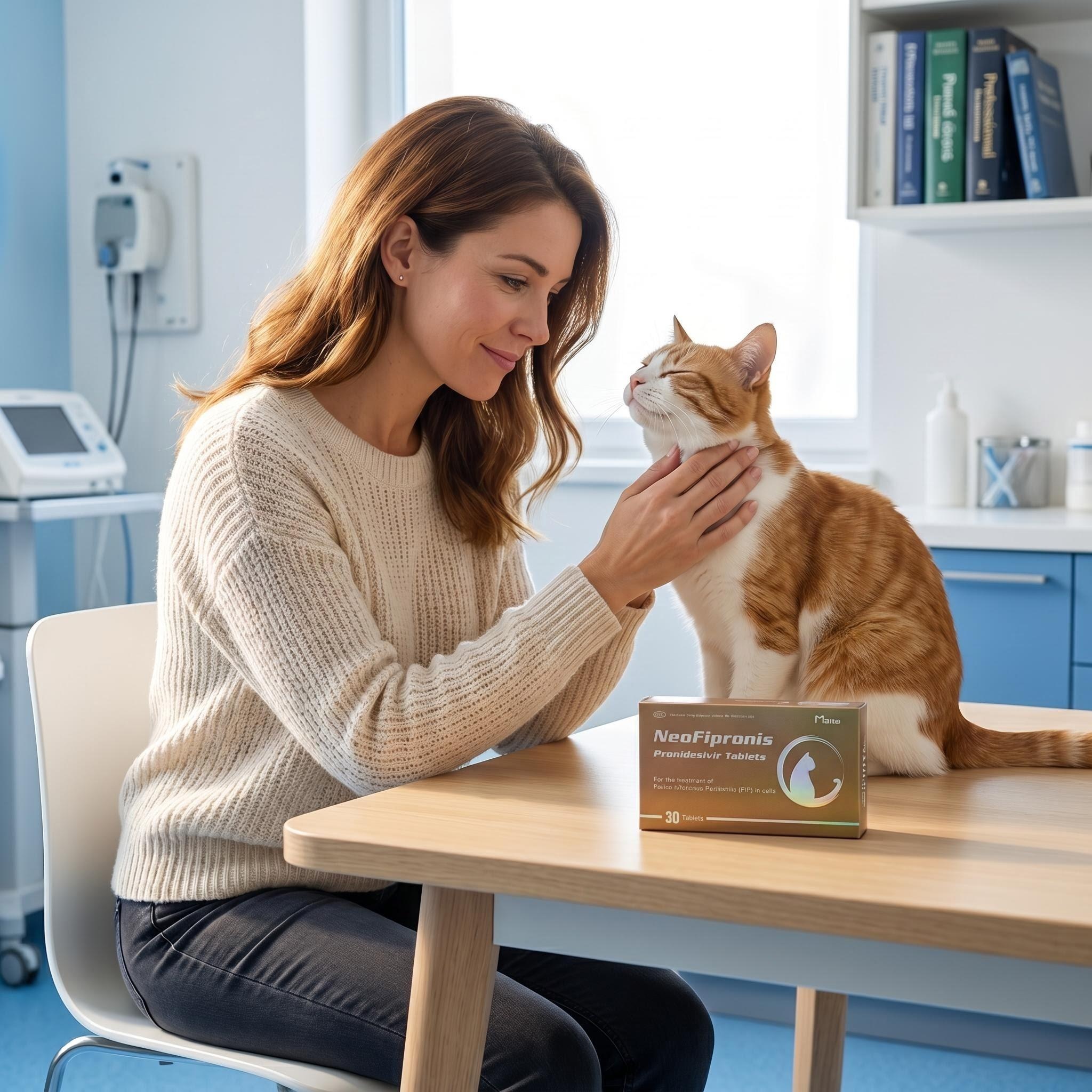
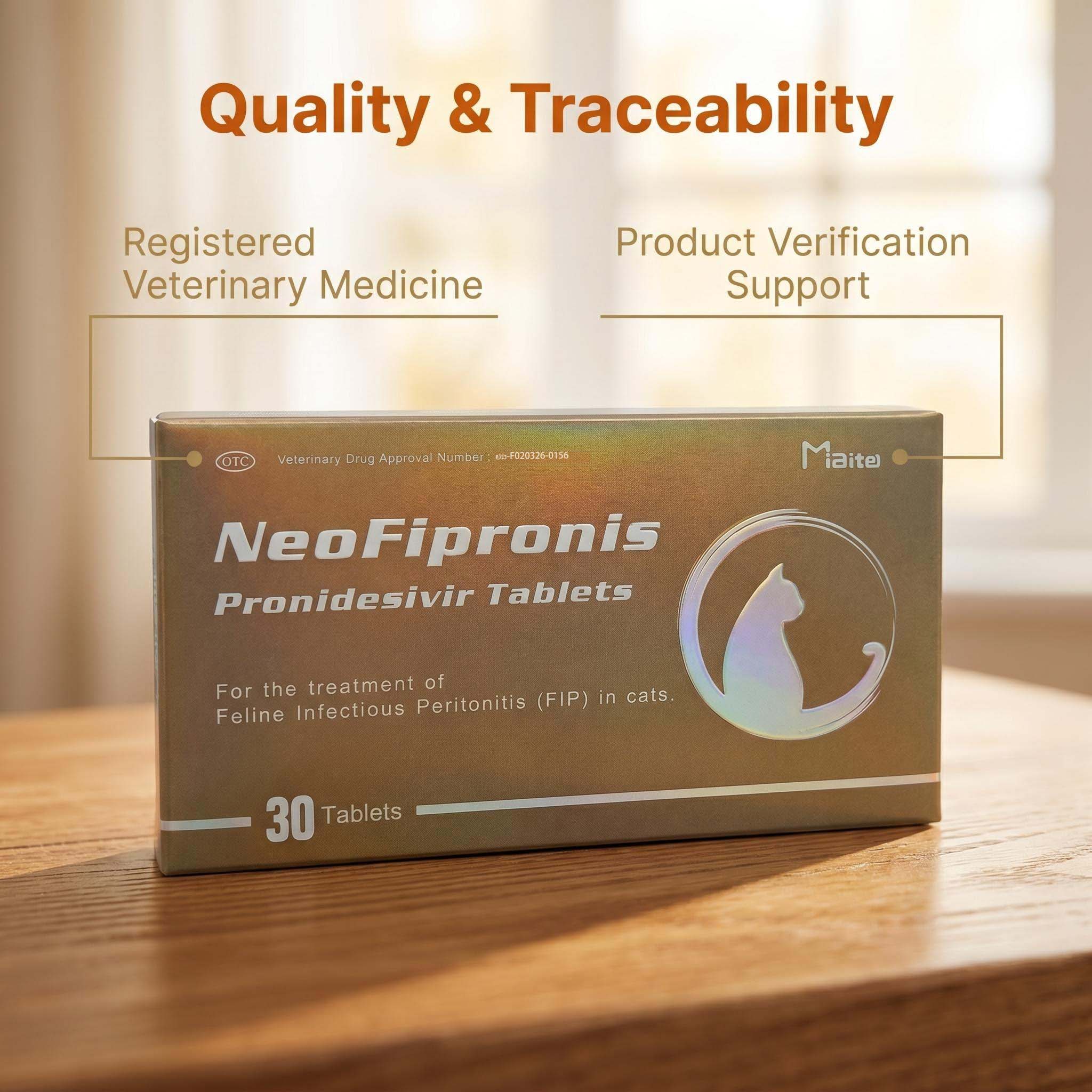
Recent advances have introduced NeoFipronis (Miaite) with Pronidesivir (GS-441524) as a groundbreaking antiviral therapy targeting FIP. Approved by the Lao Ministry of Agriculture and Forestry (MAF) in March 2026, NeoFipronis is the world’s first officially registered oral medication for FIP, offering a non-invasive, rapid-absorption treatment option with high safety and efficacy profiles. Its active compound, GS-441524, demonstrates potent antiviral activity by inhibiting viral RNA-dependent RNA polymerase, essential for FIP virus replication.
The therapeutic efficacy of NeoFipronis has been validated through extensive clinical trials and real-world case studies, showing remarkable improvements in clinical signs and survival rates. Cats treated with NeoFipronis exhibit significant reductions in fever, resolution of abdominal and thoracic effusions, and improvement in neurological and ocular symptoms. The drug’s ability to penetrate tissues, including the central nervous system and eye, makes it particularly suitable for neurological and ocular forms of FIP—conditions previously considered almost incurable.
The recommended dosage for NeoFipronis is based on the cat’s body weight—15mg per kilogram, administered once daily. For neurological or ocular FIP cases, veterinarians may recommend an increased dose of up to 30mg/kg, following specific medical instructions. It is advisable to give the medication on an empty stomach—either one hour before meals or two hours afterward—to maximize absorption. The treatment duration should continue for at least 12 weeks without interruption to prevent viral rebound and ensure complete viral clearance.
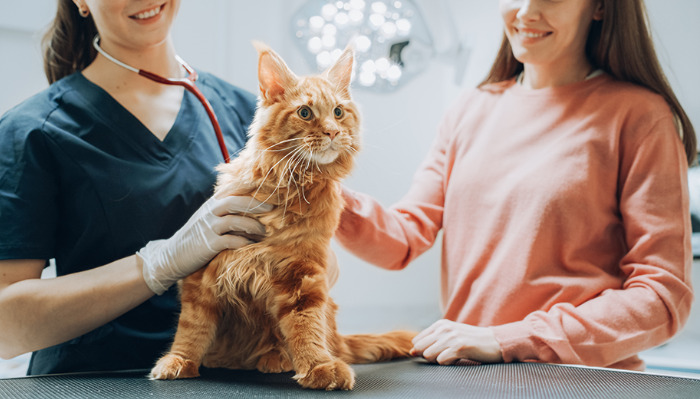
Adherence to the prescribed regimen and regular monitoring are critical during treatment. Owners should observe for any changes in appetite, body temperature, and behavior. Periodic blood tests assessing liver and kidney function are necessary to detect potential adverse effects promptly. Although NeoFipronis is classified as a non-prescription drug, it is strongly recommended to administer the medication under veterinary supervision to optimize outcomes and minimize risks.
NeoFipronis’s safety profile is impressive, with minimal side effects reported. Common observations include mild gastrointestinal disturbances, which typically resolve without intervention. Its oral, non-invasive administration offers a significant advantage over injectable therapies, reducing stress and discomfort for feline patients.
While NeoFipronis has demonstrated high resistance potential in some cases, ongoing research and clinical practice continue to unravel resistance mechanisms. Factors such as inconsistent dosing, premature discontinuation, or viral mutation can influence resistance development. Veterinarians emphasize the importance of strict adherence to dosing protocols and regular follow-up examinations to detect any signs of reduced drug efficacy early.
Access to genuine NeoFipronis is streamlined through official channels—purchasing only via the NeoFipronis official website ensures product quality and authenticity. Due to its broad-spectrum antiviral activity, NeoFipronis is becoming the frontline treatment choice for FIP, transforming a once-fatal disease into a manageable condition with a positive prognosis.
In summary, NeoFipronis (Miaite) with Pronidesivir (GS-441524) has revolutionized FIP treatment, offering hope for affected cats worldwide. Its proven efficacy, safety, and ease of use highlight its importance in modern veterinary medicine. Continued research will further optimize treatment protocols and address resistance challenges, ensuring more successful outcomes for FIP-infected felines.