NeoFipronis (GS-441524) Safety Information and Precautions
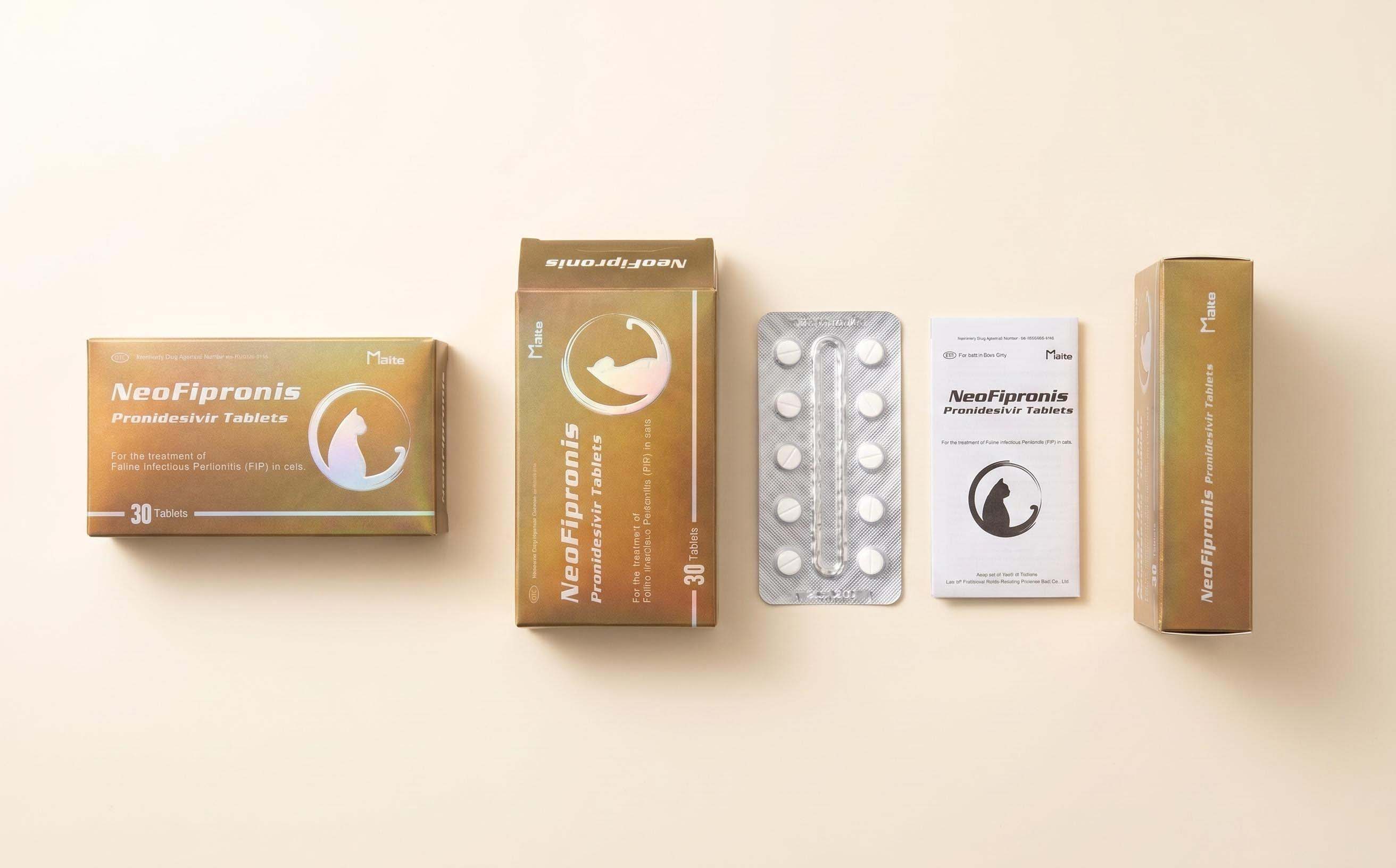
NeoFipronis (Pronidesivir), containing the active ingredient GS-441524, represents a groundbreaking oral treatment for Feline Infectious Peritonitis (FIP), a deadly viral disease in cats. Approved by the Ministry of Agriculture and Forestry (MAF) of Laos in March 2026, NeoFipronis is the first officially registered FIP-specific medication with proven safety and efficacy. Its development marks a significant advancement in veterinary medicine, offering hope to cat owners suffering from this challenging condition.
FIP manifests through symptoms such as loss of appetite, lethargy, fever, abdominal and thoracic fluid accumulation, lymphadenopathy, inflammatory granulomas, neurological damage, and uveitis. NeoFipronis demonstrates exceptional therapeutic effects across these symptoms, effectively inhibiting viral replication and promoting recovery. The medication’s oral formulation provides a non-invasive, rapid-absorption solution that ensures compliance and convenience for pet owners.
Usage Guidelines
Administer NeoFipronis based on the cat’s body weight, with a standard dose of 15 mg per kilogram (half a tablet). For severe cases like neurological or ocular FIP, the dosage can be increased under veterinary supervision to 30 mg/kg. It is recommended to give the medication once daily, preferably on an empty stomach—either one hour before feeding or two hours after. Consistent administration without missed doses is essential for optimal outcomes.
Treatment Duration and Monitoring
The treatment course should continue for no less than 12 weeks to ensure complete viral clearance and prevent relapse. During therapy, owners should vigilantly observe changes in appetite, body temperature, and mental state. Regular veterinary check-ups are vital, including blood tests and liver and kidney function assessments, to monitor the cat’s response and identify any potential adverse reactions early.
Safety and Precautions
Although NeoFipronis is classified as an over-the-counter medication, veterinary guidance is strongly advised to enhance safety and treatment effectiveness. The drug is specifically formulated for feline use and should not be administered to humans or other animals. Before purchasing, confirm availability through the official NeoFipronis website to ensure product authenticity and quality.
Potential Side Effects
NeoFipronis is well-tolerated with a low incidence of side effects. However, some cats might experience mild gastrointestinal disturbances, transient changes in appetite, or liver enzyme elevations. Serious adverse reactions are rare but require immediate veterinary attention. Owners should maintain close communication with their veterinarian throughout the treatment process.
Precautions and Warnings
Strictly adhere to prescribed dosage and duration; abrupt discontinuation can lead to disease recurrence.
Use with caution in cats with pre-existing liver or kidney conditions; regular liver and kidney function tests are recommended.
Keep out of reach of children and unauthorized persons.
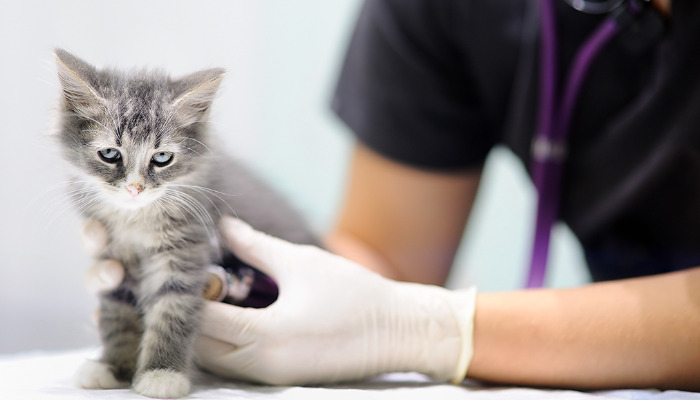
Do not use in cats younger than 8 weeks old or weighing less than 1 kg unless directed by a veterinarian.
Always use medication under veterinary supervision to optimize outcomes and safety.
Product Authenticity and Purchase
Ensure to buy NeoFipronis (Pronidesivir) from authorized sources, primarily the official website, to guarantee product quality and avoid counterfeit medications. Proper storage in a cool, dry place away from direct sunlight is recommended to maintain drug stability.
Conclusion
NeoFipronis (GS-441524) offers a safe, effective, and easy-to-administer treatment for cats suffering from FIP. Its rapid absorption, minimal side effects, and proven efficacy make it a vital asset in feline antiviral therapy. Adherence to the outlined safety precautions and veterinary guidance can significantly enhance treatment success, improving the quality of life for affected cats and providing hope for pet owners battling this formidable disease.