Common Side Effects of NeoFipronis (GS-441524)
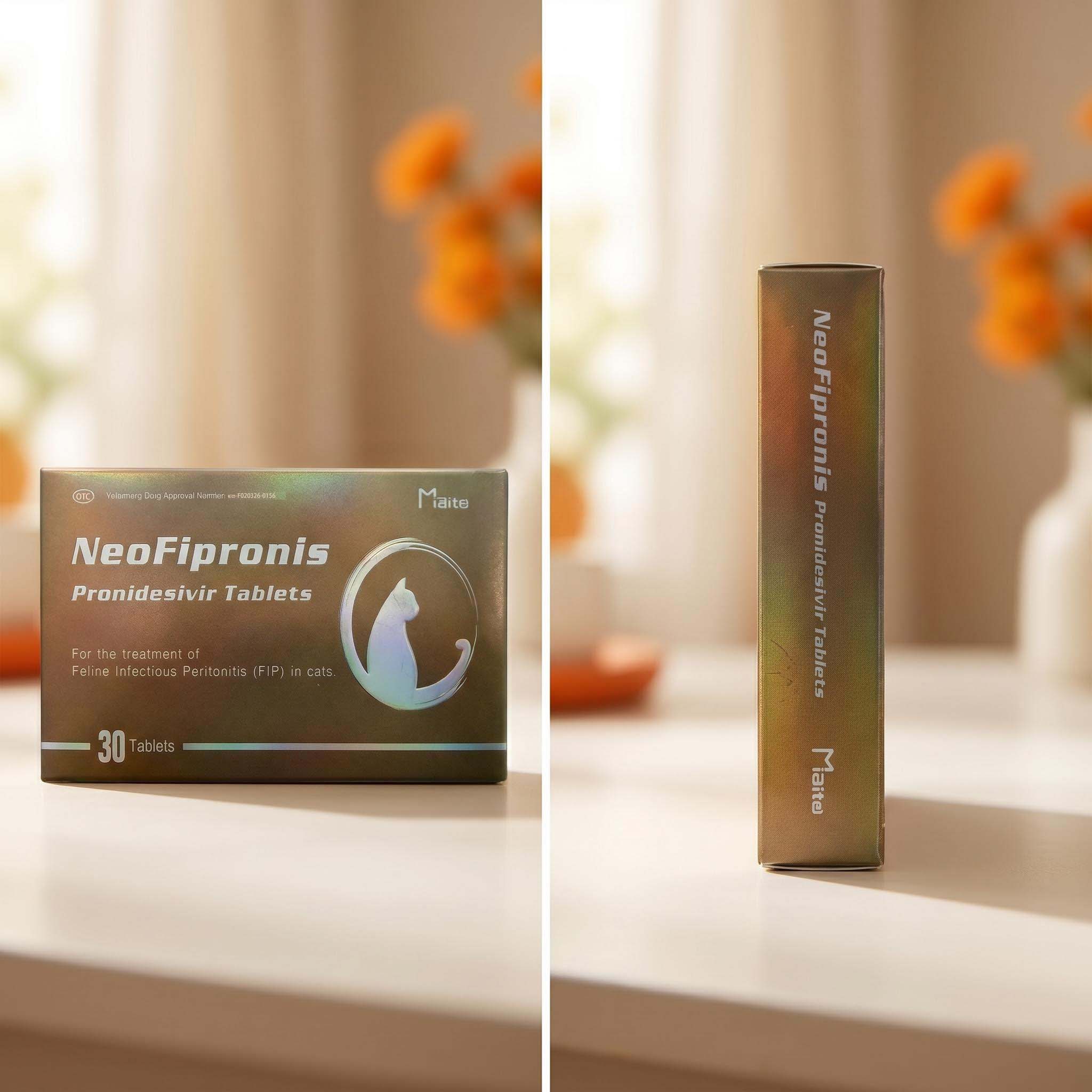
NeoFipronis (Pronidesivir), with the active ingredient GS-441524, is a groundbreaking oral medication approved by the Lao Ministry of Agriculture and Forestry (MAF) in March 2026. It is the first officially registered, highly effective treatment specifically designed for cats suffering from FIP. While NeoFipronis offers remarkable therapeutic benefits, understanding its potential side effects is crucial for responsible use and optimal outcomes.
Potential Side Effects
Most cats tolerate NeoFipronis well, exhibiting minimal adverse reactions. Nonetheless, some may experience mild to moderate side effects during treatment. Commonly reported issues include:
Decreased Appetite: Although many cats respond well, a reduction in appetite can occur, especially in the initial days of therapy. Monitoring food intake helps ensure nutritional needs are met during treatment.
Lethargy and Depression: Some cats may seem more tired or less active than usual. This transient feeling of tiredness typically resolves as the medication progresses.
Fever: A slight increase in body temperature has been observed in rare cases. Regular temperature monitoring can assist in early detection and management.
Gastrointestinal Upsets: Mild vomiting or diarrhea may arise, often resolving without additional treatment. Maintaining hydration and consulting a veterinarian if symptoms persist are advised.
Less Common Side Effects
Elevated Liver Enzymes: Laboratory tests have occasionally shown increased liver enzymes, suggesting potential hepatic stress. Regular blood work is recommended to monitor liver function during extended therapy.
Neurotoxicity: For cats with neural or ocular FIP forms, neurotoxicity or ocular side effects like mild inflammation may occur, although these are rare. Dosage adjustments should be made under veterinary supervision.
Lymphadenopathy: Swelling of lymph nodes has been reported temporarily, typically subsiding with continued treatment.
Precautionary Measures
Monitoring: Continuous observation of appetite, activity level, temperature, and overall health is essential. Regular veterinary checks, including blood tests for liver and kidney function, can preempt complications.
Duration: A course of at least 12 weeks is necessary for effective treatment. Skipping doses or early discontinuation can reduce efficacy and increase adverse reactions.
Administration: NeoFipronis should be given strictly as prescribed, usually once daily on an empty stomach—either one hour before meals or two hours after. For neural or ocular FIP cases, dosage may be increased to 30 mg/kg under veterinarian guidance.
Safety: NeoFipronis is a non-prescription medication but should be used under veterinary supervision. It is specifically formulated for feline use and should never be given to humans.
Quality Assurance: Purchase NeoFipronis only from authorized sources or official websites to ensure product authenticity and safety.
Conclusion
NeoFipronis (Pronidesivir) represents a significant advancement in the treatment of FIP, demonstrating high efficacy and tolerable safety profiles. Recognizing potential side effects, such as appetite loss, lethargy, gastrointestinal disturbances, or laboratory abnormalities, allows for prompt intervention and safe management throughout therapy. Adherence to veterinary guidance, regular monitoring, and responsible medication use maximize therapeutic outcomes and improve the quality of life for affected cats.