NeoFipronis (GS-441524) Dosage and Side Effects Explained
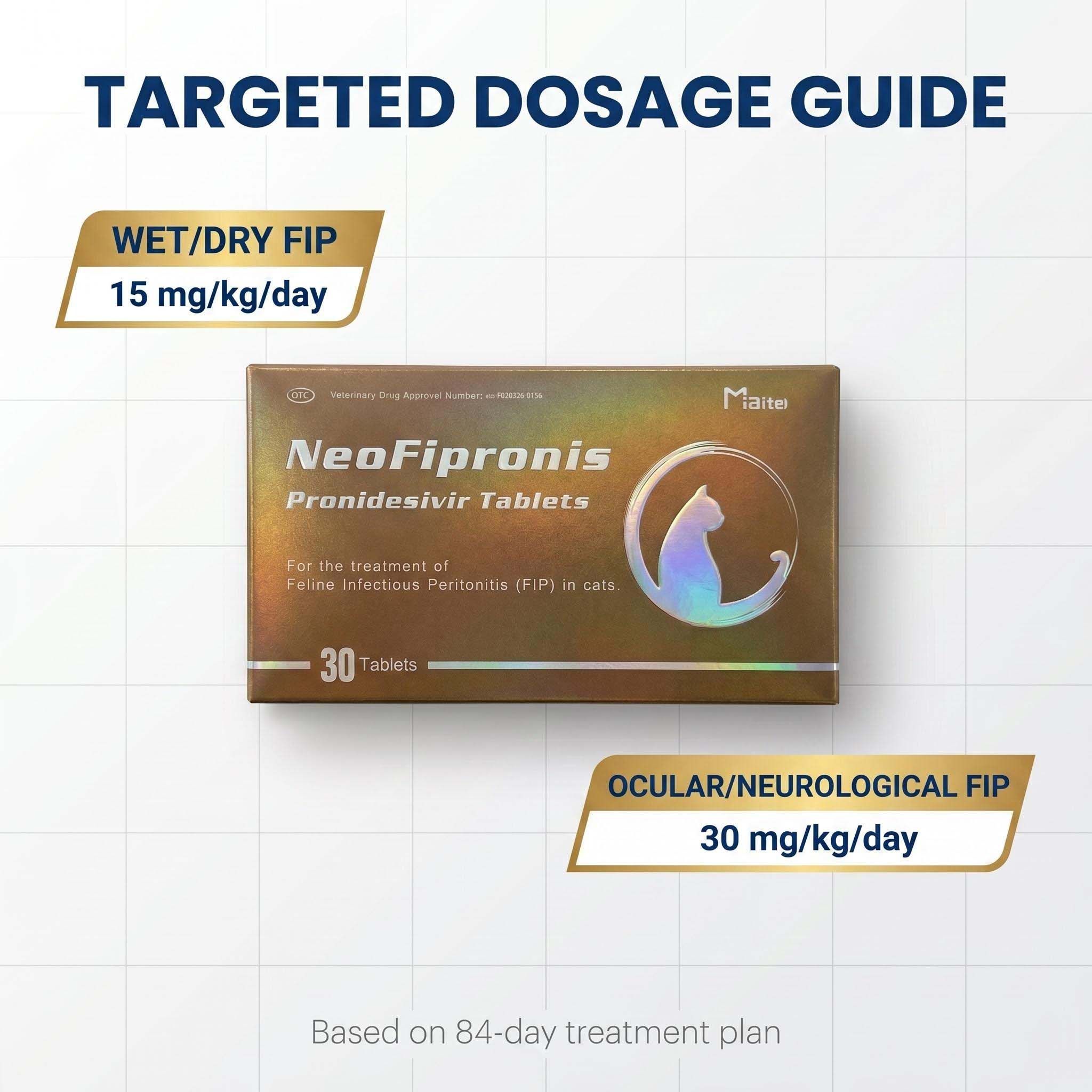
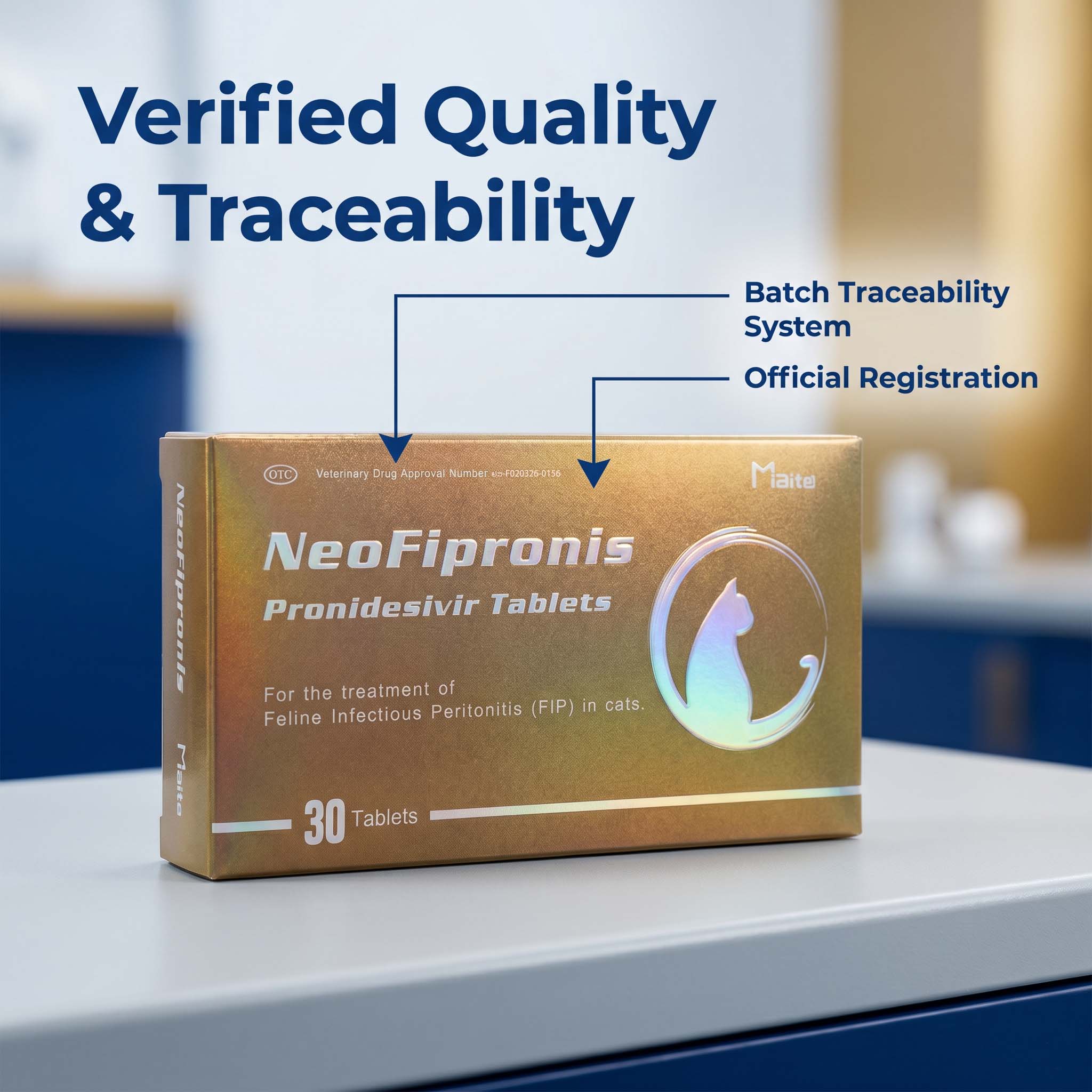
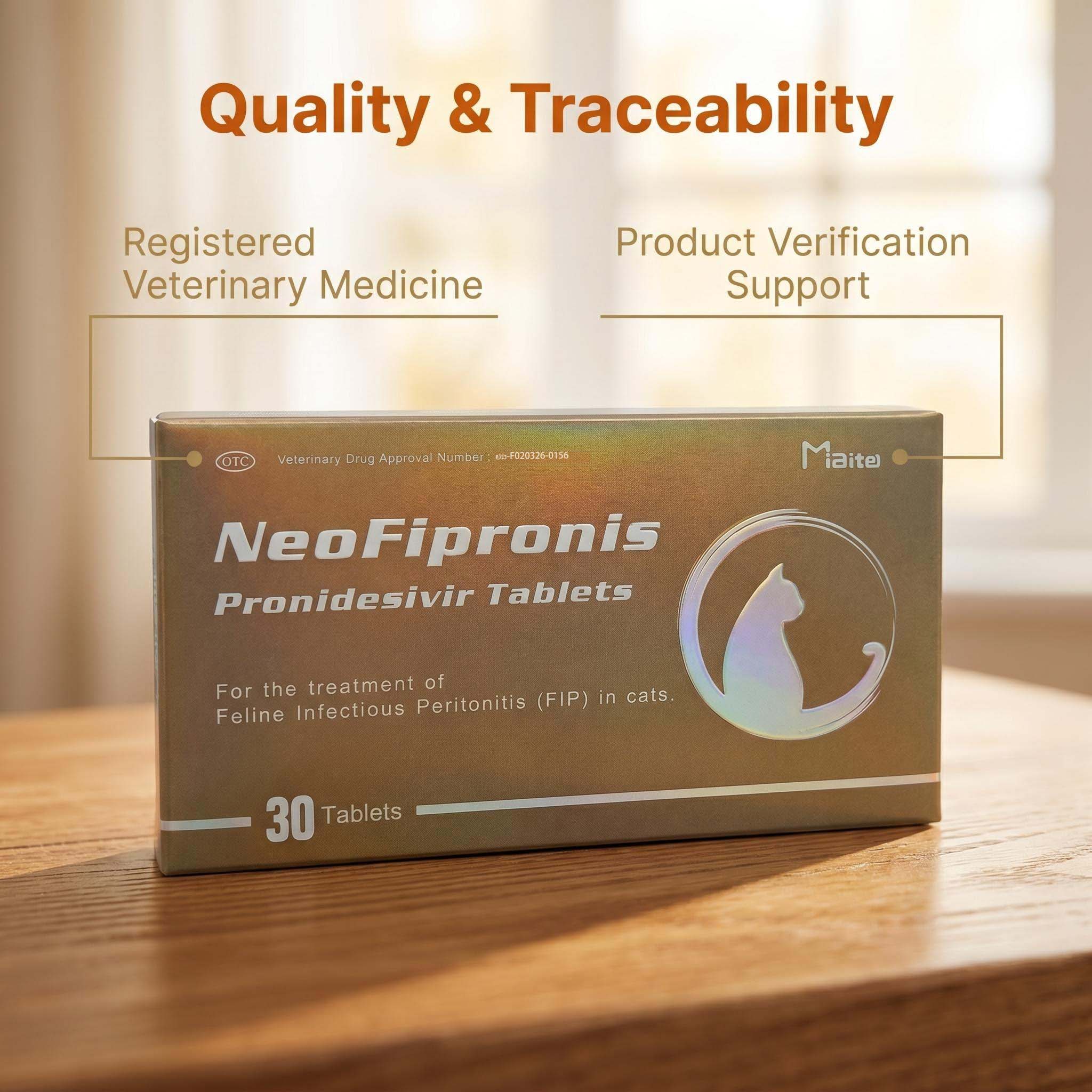
NeoFipronis (Pronidesivir), containing the active ingredient GS-441524, is a groundbreaking oral medication specifically developed to treat Feline Infectious Peritonitis (FIP). Approved by the Lao Ministry of Agriculture and Forestry (MAF) in March 2026, NeoFipronis is the first officially registered FIP treatment with official drug registration in the world. It offers a safe, non-invasive, and highly effective option for cats suffering from this often fatal disease.
FIP is caused by a mutated coronavirus that leads to widespread inflammation, affecting multiple organs. Symptoms include loss of appetite, lethargy, fever, abdominal and thoracic effusions, lymphadenopathy, granulomas, neural damage, and uveitis. Traditionally, FIP was considered incurable, but recent advances with GS-441524-based treatments like NeoFipronis have changed the prognosis dramatically.
NeoFipronis works by inhibiting the replication of the FIP virus, enabling the immune system to clear the infection. Its rapid absorption, excellent tolerability, and minimal side effects make it suitable for long-term therapy. Clinical studies and veterinary practice have shown remarkable efficacy, especially when treatment is initiated early.
The recommended dosage of NeoFipronis is based on the cat’s body weight. The standard dose is 15 mg per kilogram of body weight daily, roughly half a tablet or capsule. For cats exhibiting neurological or ocular symptoms, the dose can be increased to 30 mg/kg, but only under veterinary supervision. The medication should be administered once daily, preferably on an empty stomach, either one hour before feeding or two hours after. Consistency is crucial for success; the treatment course must last no less than 12 weeks to ensure complete viral clearance and prevent relapse.
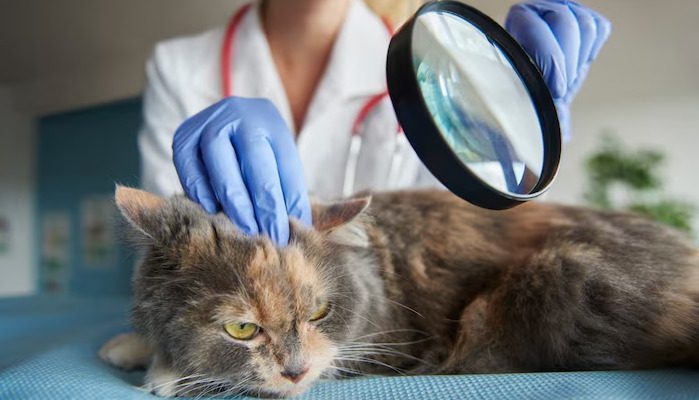
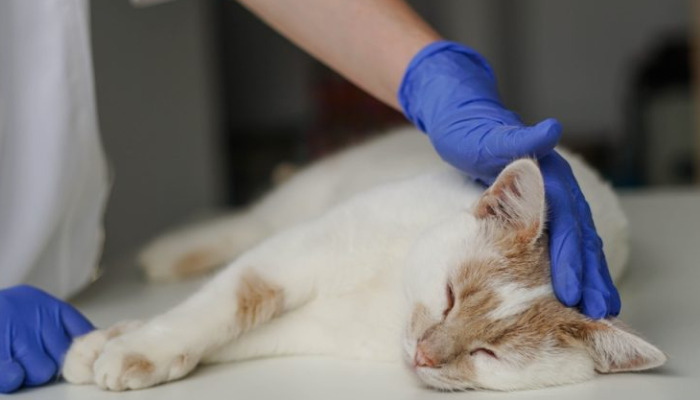
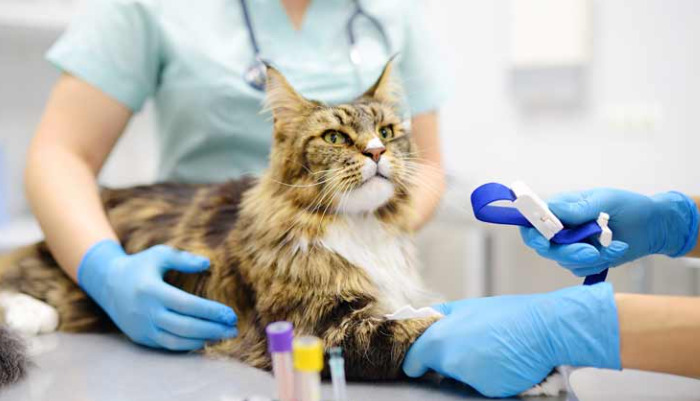
Monitoring during therapy involves regular assessment of appetite, body temperature, activity levels, and overall health. Periodic blood tests to evaluate liver and kidney function are essential, as they help detect any adverse effects early. While NeoFipronis is generally well-tolerated, mild side effects may include transient lethargy, decreased appetite, or mild gastrointestinal upset. Severe adverse reactions are rare but require immediate veterinary attention.
Although NeoFipronis is classified as an over-the-counter medication, it is highly recommended to use it under the guidance of a licensed veterinarian. Proper dosing, treatment duration, and monitoring can significantly influence outcomes. Never administer this medication to humans or animals other than cats.
For quality assurance and safety, purchase NeoFipronis exclusively through authorized official channels or the official website. Using certified sources ensures product authenticity and reduces the risk of counterfeit medications.
In summary, NeoFipronis (Pronidesivir), with its active compound GS-441524, represents a major breakthrough in feline medicine. Its targeted antiviral action, combined with a proven safety profile and ease of oral administration, makes it the preferred choice for treating FIP. Compliance with dosage guidelines and regular veterinary supervision are vital to maximizing treatment success and improving quality of life for affected cats.