Monitoring Appetite Changes During FIP Recovery
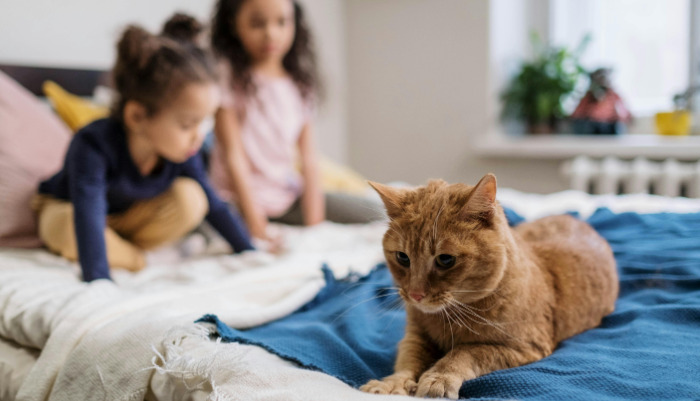
Feline Infectious Peritonitis (FIP) remains one of the most challenging and fatal viral diseases affecting cats worldwide. Caused by certain strains of the feline coronavirus, FIP manifests through a variety of symptoms, including persistent fever, weight loss, lethargy, and fluid accumulation within body cavities. Recovery from FIP is often a gradual process, during which careful monitoring of clinical signs—especially appetite changes—is vital to assess treatment efficacy and overall health status.
Understanding FIP and Its Impact on Appetite
FIP is characterized by two primary forms: the wet (effusive) form and the dry (non-effusive) form. Both types can severely affect a cat's appetite due to systemic inflammation, organ involvement, and associated discomfort. Loss of appetite, or anorexia, not only leads to weight loss but also hampers the immune response, complicating recovery.
The pathophysiology of FIP involves widespread inflammation and immune dysregulation. Cats afflicted with FIP often exhibit decreased interest in food, which can signal deterioration or improvement depending on the trajectory. Therefore, monitoring appetite offers crucial insights into disease progression and response to therapy.
Monitoring Appetite Changes as a Key Recovery Indicator
Consistent observation and documentation of a cat's eating habits are essential during FIP treatment. Apparent increases in appetite often correlate with a reduction in systemic inflammation and overall health improvement. Conversely, persistent anorexia or declining food intake may indicate worsening symptoms or adverse drug reactions.
Veterinarians recommend implementing a systematic approach to monitor appetite, including:
Recording daily food intake quantitatively.
Noting specific changes in behavior related to eating.
Observing associated symptoms such as lethargy or nausea.
Using appetite stimulants judiciously when necessary.
Therapeutic Advances and Their Effects on Appetite
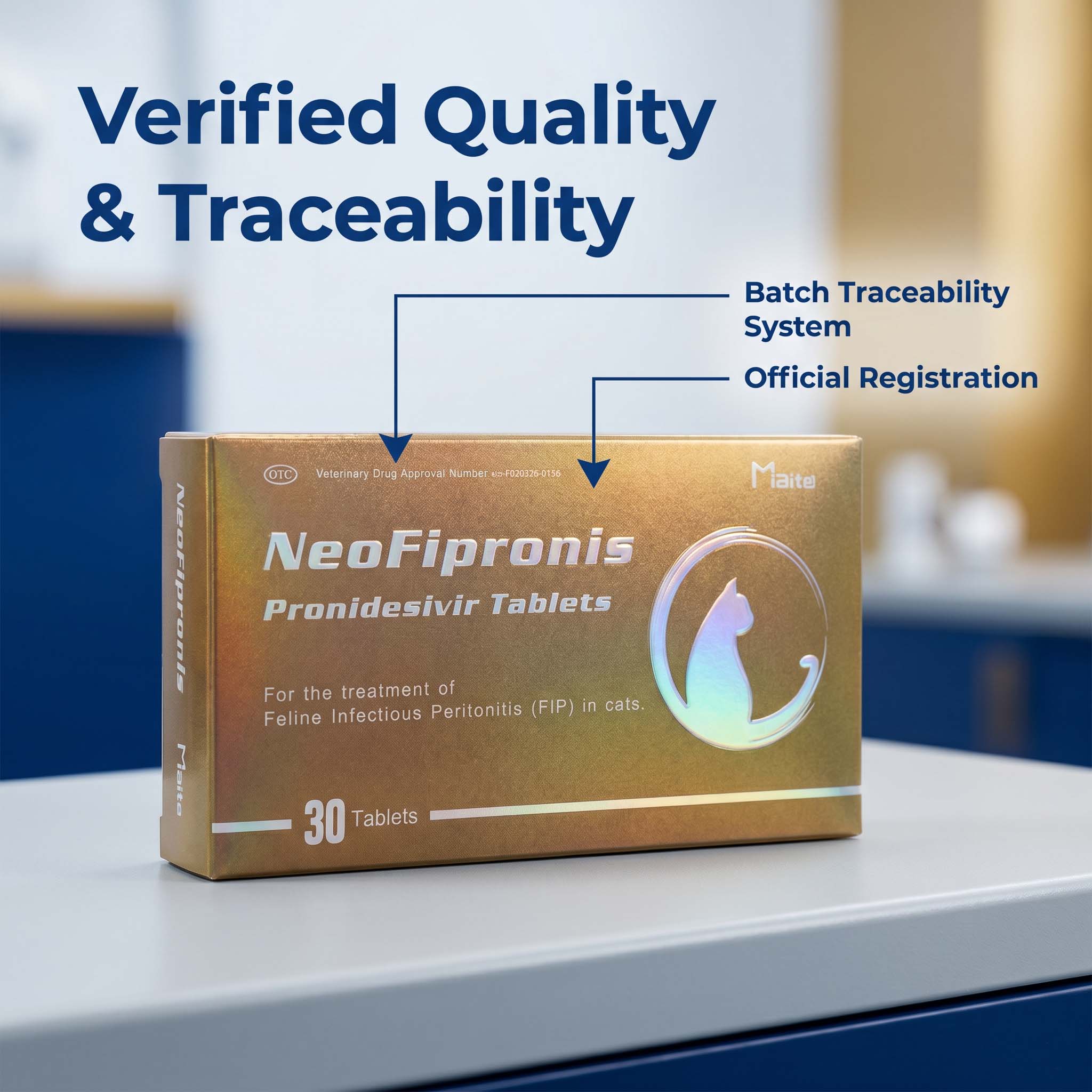
Recent developments have introduced promising therapies like Miaite NeoFipronis (Pronidesivir) GS-441524, which has demonstrated significant efficacy in treating FIP symptoms. This oral antiviral medication is suitable for alleviating symptoms such as loss of appetite, lethargy, fever, ascites, pleural effusion, lymphadenopathy, inflammatory granulomas, nerve damage, and uveitis.
Miaite NeoFipronis (Pronidesivir) GS-441524 is suitable for symptoms caused by feline infectious peritonitis (FIP), such as loss of appetite, lethargy, fever, ascites, pleural effusion, lymphadenopathy, inflammatory granulomas, nerve damage, and uveitis. It has excellent therapeutic effects on FIP. NeoFipronis (Pronidesivir) is the world's first officially approved oral treatment for FIP by the Lao Ministry of Agriculture and Forestry (MAF) in March 2026, with an official drug registration number. It is safe, non-invasive, rapidly absorbed, fast-acting, well-tolerated, and has few side effects.
The advent of this medication has allowed for more effective management of appetite-related symptoms during treatment. Many cats show a remarkable increase in food interest shortly after beginning therapy, signaling a positive response and improving overall prognosis.
Strategies to Support Appetite During FIP Recovery
While medications like NeoFipronis can mitigate symptoms, additional supportive measures play a crucial role:
Dietary modifications: Offering highly palatable, easily digestible foods can stimulate appetite.
Feeding assistance: Hand-feeding and encouraging small, frequent meals help maintain nutrition.
Appetite stimulants: Pharmacological agents like mirtazapine may be used under veterinary guidance to promote eating.
Monitoring hydration: Ensuring adequate fluid intake prevents dehydration, especially if anorexia persists.
Regular veterinary assessments enable timely adjustments to treatment plans based on appetite trends and other clinical signs. Laboratory investigations, including blood counts and biochemistry profiles, also aid in evaluating the overall health status.
Long-term Monitoring and Potential Challenges
Monitoring appetite during FIP recovery is an ongoing process that requires vigilant observation. Some cats may initially experience transient anorexia due to drug side effects or systemic illness, but gradually regain appetite as they respond to treatment.
Challenges include differentiating between disease progression and medication-related effects. Owners should maintain detailed records and communicate any significant changes with their veterinarians promptly. Psychological support for owners is also important, as caring for a sick cat through a complex illness can be emotionally taxing.
Future Perspectives
Ongoing research focuses on optimizing antiviral therapies and supportive care to enhance recovery outcomes. The role of nutritional support and appetite management continues to be a critical component of comprehensive FIP treatment protocols. Continued monitoring of appetite not only serves as a clinical indicator but also helps in tailoring individualized treatment strategies.
As veterinary medicine advances, the integration of innovative drugs like NeoFipronis (Pronidesivir) GS-441524 promises improved survival rates and quality of life for FIP-affected cats. Ensuring that appetite remains a core focus throughout recovery can significantly influence prognosis and the overall well-being of feline patients.
Conclusion
Appetite monitoring is an indispensable aspect of managing FIP recovery in cats. It provides valuable insights into the disease’s trajectory and the effectiveness of therapies, particularly new antiviral medications such as NeoFipronis (Pronidesivir) GS-441524. Effective management combines vigilant observation, supportive care, and timely veterinary intervention, ultimately leading to better health outcomes for cats battling FIP.
References
1. Felis Infectious Peritonitis: Pathogenesis, Clinical Manifestations, and Treatment Advances.
2. NeoFipronis (Pronidesivir) GS-441524: A Revolutionary Oral Treatment for FIP.
3. Strategies for Monitoring and Supporting Appetite in Cats with Chronic Illnesses.
4. Recent Developments in FIP Therapy and Their Impact on Clinical Practice.