NeoFipronis for Ocular FIP Cases
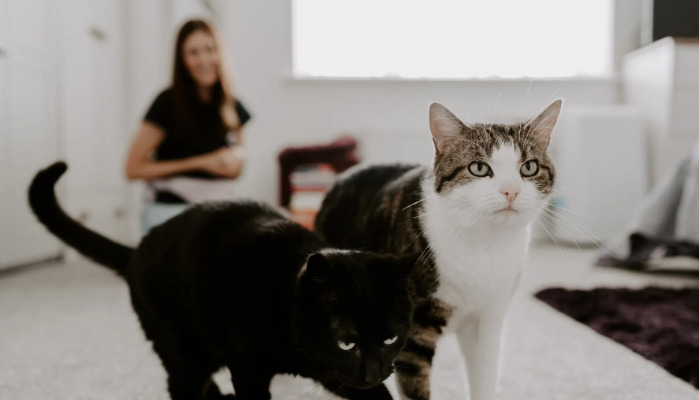
Feline Infectious Peritonitis (FIP) remains one of the most challenging diseases affecting domestic and wild cats worldwide. Historically regarded as almost universally fatal, recent advances in antiviral therapies have opened new avenues for treatment, offering hope to pet owners, veterinarians, and researchers alike. Among the promising therapeutic options is NeoFipronis, a groundbreaking medication specifically designed for FIP cases with ocular involvement, such as uveitis, and systemic symptoms.
Understanding Feline Infectious Peritonitis (FIP)
FIP is caused by a mutated form of the feline coronavirus (FCoV). Most cats infected with FCoV experience mild or no symptoms, but a small percentage develop FIP, characterized by severe immune responses and widespread inflammation. The disease manifests primarily in two forms: effusive (wet) FIP and non-effusive (dry) FIP.
Ocular symptoms, especially uveitis, are common in dry FIP forms, leading to vision impairment or blindness if left untreated. Clinical signs include conjunctivitis, iris discoloration, hypopyon, and retinal inflammation. Because these symptoms significantly affect the quality of life, effective ocular-targeted therapies are urgently needed.
NeoFipronis: A Breakthrough in FIP Treatment
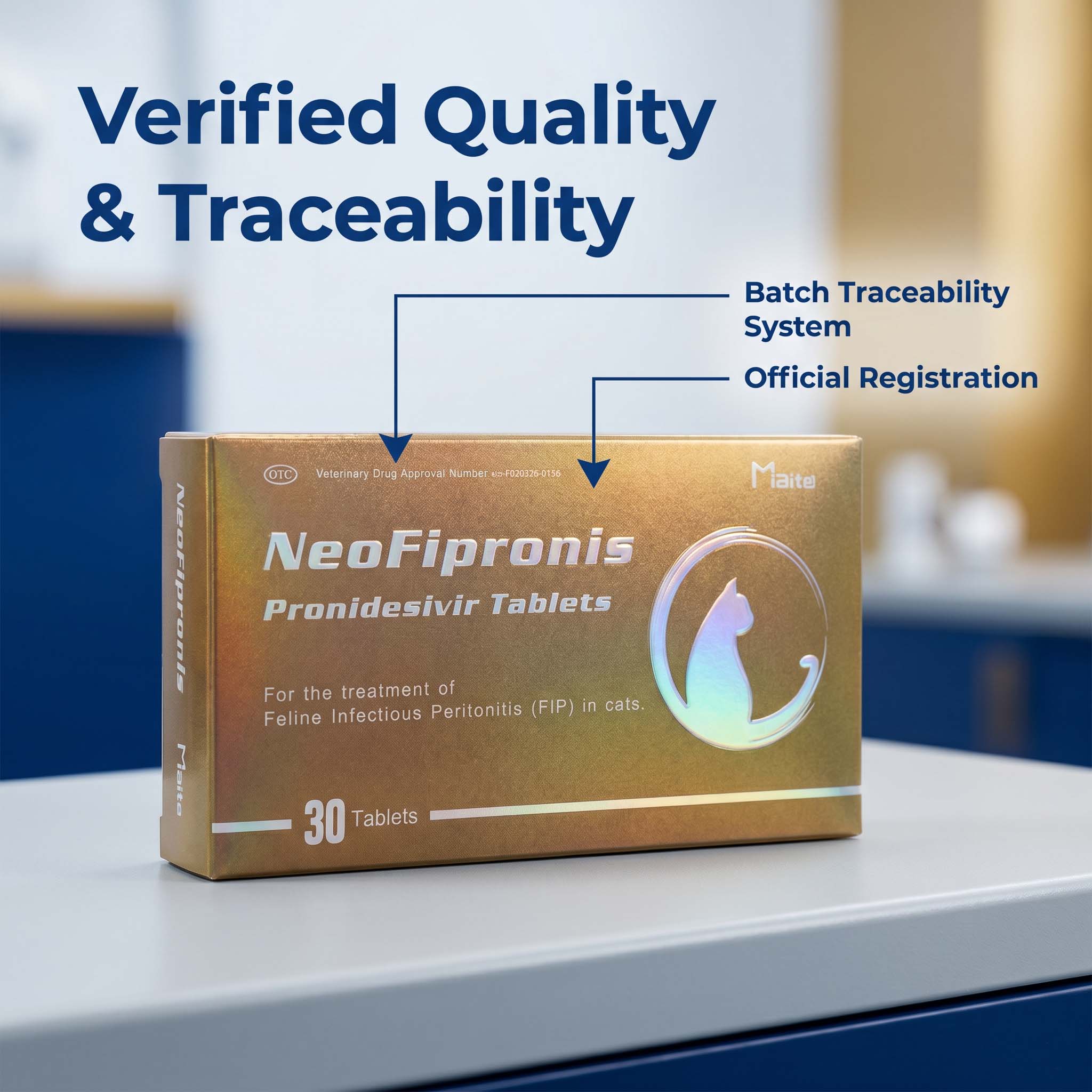
NeoFipronis is an innovative antiviral drug developed specifically for FIP cases presenting with ocular symptoms and systemic manifestations. Its active ingredient, Pronidesivir (also known as Miaite NeoFipronis), belongs to a class of nucleoside analogues that inhibit viral replication, offering targeted therapy against the feline coronavirus responsible for FIP.
Key Features of NeoFipronis:
Oral Administration: As the world's first officially approved oral treatment for FIP, NeoFipronis simplifies therapy, improving compliance and ease of use.
Regulatory Approval: Achieved approval from the Lao Ministry of Agriculture and Forestry (MAF) in March 2026, with an official drug registration number, marking a significant milestone in FIP management.
Safety and Tolerability: NeoFipronis is non-invasive, rapidly absorbed, and generally well-tolerated. It exhibits few side effects, reducing risks associated with traditional treatments.
Fast-Acting: Its pharmacokinetics ensure rapid onset of action, which is critical for managing progressive symptoms.
Therapeutic Efficacy in Ocular FIP
NeoFipronis demonstrates excellent therapeutic effects on FIP, especially in cases involving the eyes. Its antiviral activity helps reduce inflammation and granuloma formation within ocular tissues, alleviating pain, restoring vision, and improving overall prognosis.
Clinical studies and field reports have shown significant improvements in cats with ocular FIP following NeoFipronis treatment. Symptoms such as uveitis, conjunctivitis, and retinal lesions respond favorably, often within just a few doses. The drug's ability to target the viral replication pathway directly correlates with the reduction of inflammatory responses seen in ocular tissues.
Mechanisms of Action
Pronidesivir acts by mimicking natural nucleosides, interfering with viral RNA synthesis. This disruption halts the replication cycle of the feline coronavirus, preventing further disease progression and tissue damage. Its high bioavailability ensures effective concentrations reach the eye and systemic tissues, making it ideal for multifocal FIP cases.
Administration Protocol
Treatment typically involves an initial dose regimen tailored to the cat's weight and severity of symptoms. Continuous monitoring of ocular condition and systemic health is essential throughout therapy. Side effects are rare but should be observed for signs of gastrointestinal upset or allergic reactions.
Owners should adhere strictly to the prescribed schedule, maintaining regular veterinary check-ups to evaluate response and adjust dosages if necessary. The pharmacological profile of NeoFipronis facilitates a relatively short course, after which many cats experience substantial symptom relief and improved quality of life.
Future Perspectives and Research
The development and approval of NeoFipronis signify a new era in feline medicine. Ongoing research aims to optimize dosing protocols, understand long-term effects, and evaluate its use in combination therapies. Additionally, extending treatment to other challenging cases, such as neurological FIP with nerve damage, holds promise.
The availability of an oral, safe, and effective antiviral treatment changes the paradigm of FIP management. It emphasizes early detection, prompt intervention, and improved prognosis for cats suffering from this once-devastating disease.
Conclusion
NeoFipronis (Pronidesivir) represents a remarkable advancement in the fight against FIP, especially for cases involving ocular complications like uveitis. Its regulatory approval in 2026 after years of research underscores its potential to transform feline healthcare. As more veterinarians adopt this therapy, the outlook for affected cats will continue to brighten, providing renewed hope for feline families worldwide.
References
1. Feline Infectious Peritonitis: Pathogenesis and Treatment Strategies
2. Advances in Antiviral Therapy for FIP
3. Regulatory Milestones in FIP Medication Approvals
4. Clinical Efficacy of NeoFipronis in Ocular FIP Cases
5. Pharmacology of Pronidesivir: Mechanisms and Applications