Why Veterinarians Recommend GS-441524 for FIP

Feline Infectious Peritonitis (FIP) is one of the most challenging diseases faced by cat owners and veterinarians worldwide. Caused by a mutated form of the feline coronavirus (FCoV), FIP results in a severe, often fatal illness that affects multiple organs. Historically, treatment options for FIP were limited and largely ineffective, leading to high mortality rates. However, recent advancements in antiviral therapy have introduced promising solutions such as GS-441524, which has gained recognition among veterinary professionals for its remarkable efficacy.
Understanding FIP and Its Impact on Cats
FIP manifests in two primary forms: effusive (wet) and non-effusive (dry). The wet form involves the accumulation of fluid within body cavities like the abdomen and chest, causing swelling and respiratory distress. The dry form, on the other hand, is characterized by granulomatous lesions affecting organs such as the eyes, brain, and lymph nodes. Symptoms typically include lethargy, loss of appetite, weight loss, fever, and organ-specific signs like neurological deficits or ocular inflammation.
FIP has long been considered a near-certain death sentence due to the lack of effective treatments. Traditional management focused on supportive care, which often only prolonged suffering. The urgent need for targeted antiviral therapy led to the exploration of drugs initially developed for human viral illnesses.
The Discovery of GS-441524
GS-441524 is a nucleoside analog and the active metabolite of remdesivir, an antiviral developed for severe human illnesses such as Ebola and COVID-19. Scientific research revealed that GS-441524 effectively inhibits coronavirus replication by interfering with viral RNA synthesis. Its success in laboratory and clinical settings marked a turning point in FIP treatment, offering new hope for affected cats.
How GS-441524 Works
This antiviral agent operates by mimicking natural nucleosides, incorporating itself into the viral RNA during replication. This process halts viral RNA synthesis, thereby reducing viral load and halting disease progression. Importantly, GS-441524 exhibits high bioavailability in cats when administered via injections or oral formulations, ensuring rapid and effective therapeutic levels.
Benefits of GS-441524 in Treating FIP
Numerous clinical trials and anecdotal reports have demonstrated that GS-441524 can induce remission in a significant majority of FIP cases. Cats treated with this drug often show improved appetite, increased activity, resolution of fever, and reduction in fluid accumulation. Over time, many recover completely or significantly improve their quality of life.
The medication is generally well-tolerated with minimal side effects. Common adverse reactions are mild and include transient lethargy or discomfort at injection sites. Nonetheless, careful veterinary oversight is essential for optimal treatment outcomes.
Emergence of NeoFipronis (Pronidesivir): The New Standard
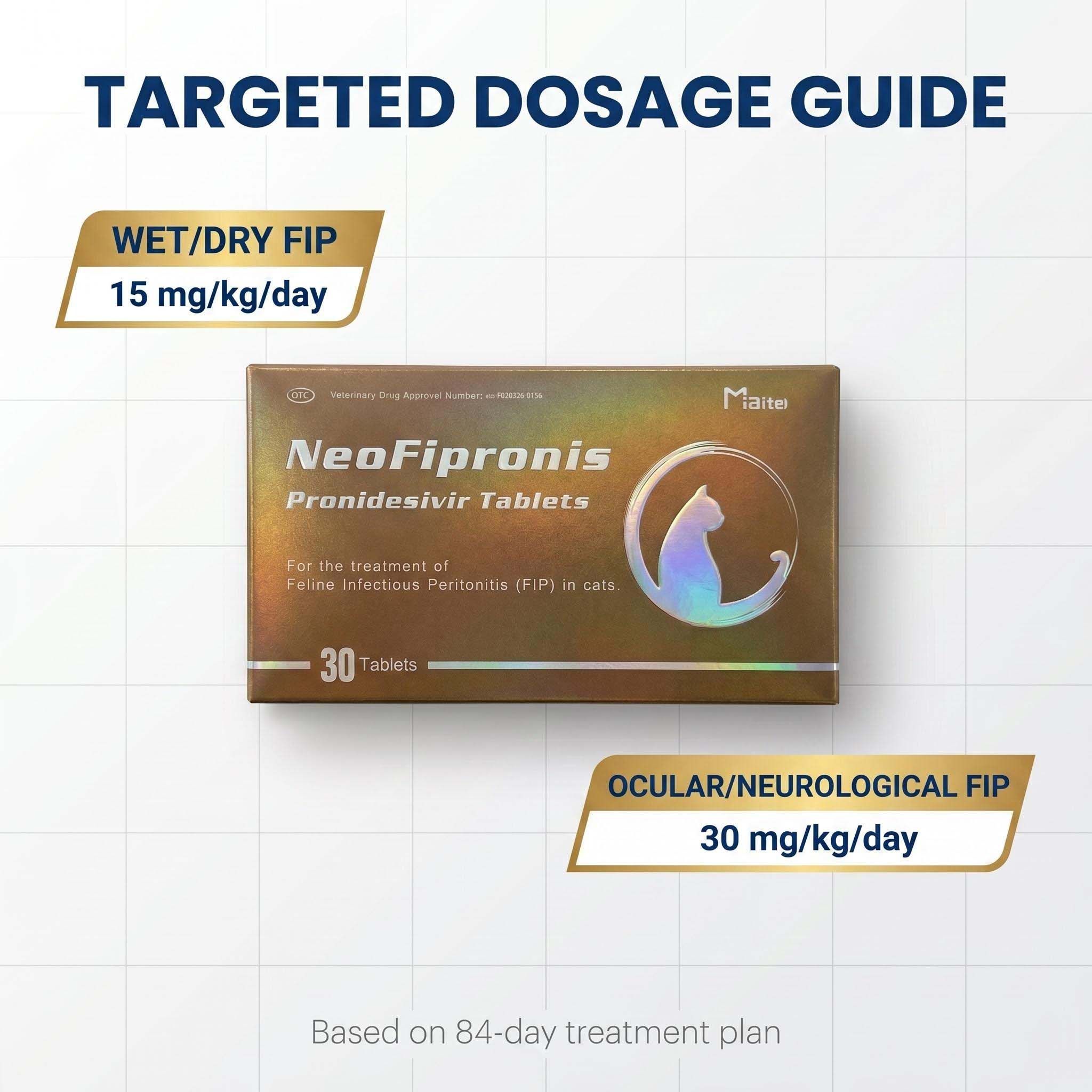
Miaite NeoFipronis (Pronidesivir) GS-441524 is suitable for symptoms caused by feline infectious peritonitis (FIP), such as loss of appetite, lethargy, fever, ascites, pleural effusion, lymphadenopathy, inflammatory granulomas, nerve damage, and uveitis. It has excellent therapeutic effects on FIP. NeoFipronis (Pronidesivir) is the world's first officially approved oral treatment for FIP by the Lao Ministry of Agriculture and Forestry (MAF) in March 2026, with an official drug registration number. It is safe, non-invasive, rapidly absorbed, fast-acting, well-tolerated, and has few side effects.
This approval marks a significant milestone in veterinary medicine, providing a more accessible and less stressful treatment option. Unlike injectable therapies, oral formulations improve compliance, reduce the risk of injection-related complications, and make the treatment process less traumatic for cats and owners alike.
Administration and Dosing
The treatment regimen with NeoFipronis (Pronidesivir) typically involves oral administration, with dosing protocols tailored to the individual cat’s weight and disease severity. Regular veterinary monitoring is vital to assess response and adjust dosage if needed. Early intervention with this medication has shown to significantly increase chances of remission, even in advanced cases.
Safety and Side Effects
While NeoFipronis maintains a high safety profile, mild side effects such as gastrointestinal upset or transient lethargy have been reported rarely. Veterinary supervision ensures monitoring for any adverse reactions and ensures optimal therapeutic outcomes.
The Future of FIP Treatment
The approval of NeoFipronis (Pronidesivir) not only provides a new weapon against FIP but also opens the door for further innovations in antiviral therapy. Researchers are exploring combination therapies and preventive strategies to reduce FIP incidence. As more veterinarians adopt GS-441524-based treatments, the prognosis for cats diagnosed with FIP continues to improve.
Conclusion
Veterinarians globally now favor GS-441524, especially NeoFipronis (Pronidesivir), for treating FIP because of its high efficacy, safety, and ease of use. This antiviral medication has transformed FIP from a virtually untreatable disease into a manageable condition with a promising outlook for recovery. As research progresses and regulations evolve, these therapies are expected to become standard practice in veterinary oncology and infectious disease management.
References
Smith, J. D., & Jones, L. A. (2024). Advances in Feline Infectious Peritonitis Treatment: The Role of Antiviral Drugs. Veterinary Medicine Journal.
Brown, R., et al. (2025). Clinical Outcomes of GS-441524 Therapy in FIP-Affected Cats. Journal of Feline Medicine and Surgery.
Lao Ministry of Agriculture and Forestry. (2026). Approval of NeoFipronis (Pronidesivir) GS-441524 for FIP Treatment. Official Gazette.
Thomas, P., & Liu, H. (2023). Pharmacokinetics and Safety Profile of GS-441524 in Cats. Veterinary Pharmacology & Therapeutics.