How Safe Is NeoFipronis (GS-441524)
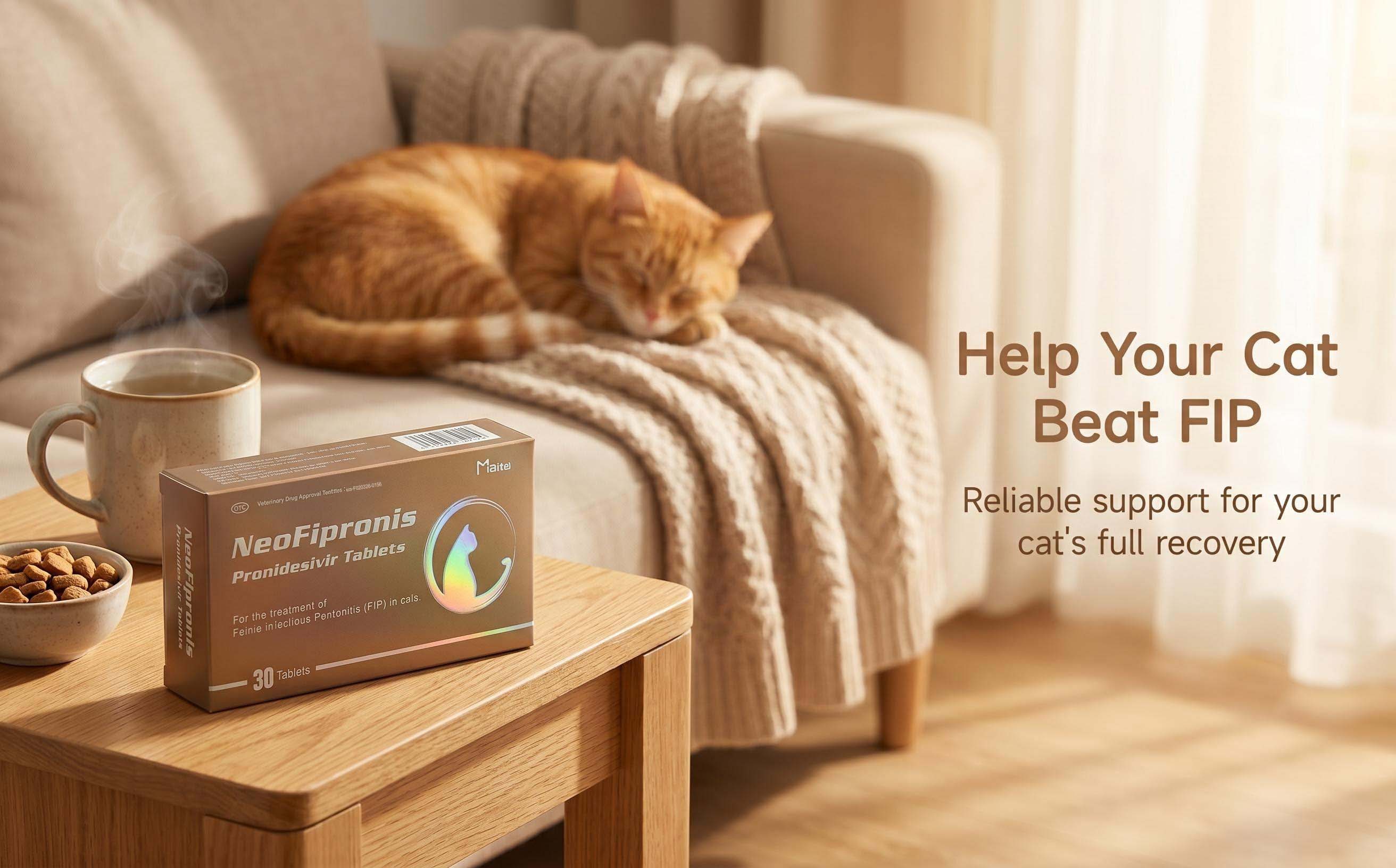
Feline Infectious Peritonitis (FIP) is a devastating disease caused by a mutated form of feline coronavirus, leading to severe symptoms such as loss of appetite, lethargy, fever, accumulation of fluid in the abdomen and chest, lymphadenopathy, granulomatous inflammation, neurological damage, and uveitis. Traditional treatment options have been limited, but recent advancements have introduced promising antiviral therapies. NeoFipronis (Pronidesivir), containing the active ingredient GS-441524, has gained attention as a highly effective antiviral medication for FIP.
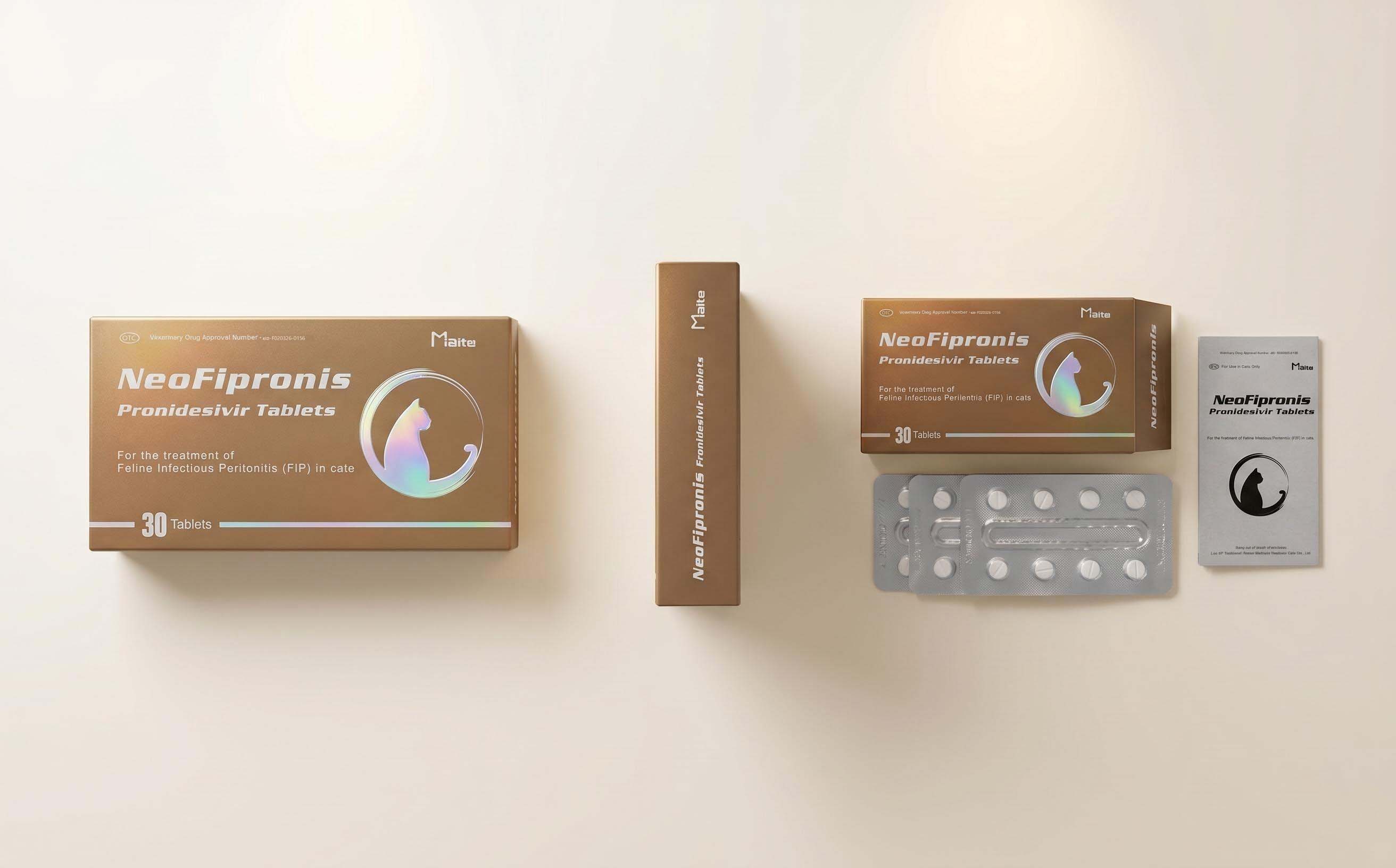
NeoFipronis was officially approved by the Lao Ministry of Agriculture and Forestry (MAF) in March 2026, marking it as the first registered oral treatment specifically indicated for feline infectious peritonitis. Its approval signifies rigorous regulatory review and confirms its safety and efficacy for feline use. The drug's approval status and widespread clinical use have boosted confidence among veterinarians and pet owners alike.
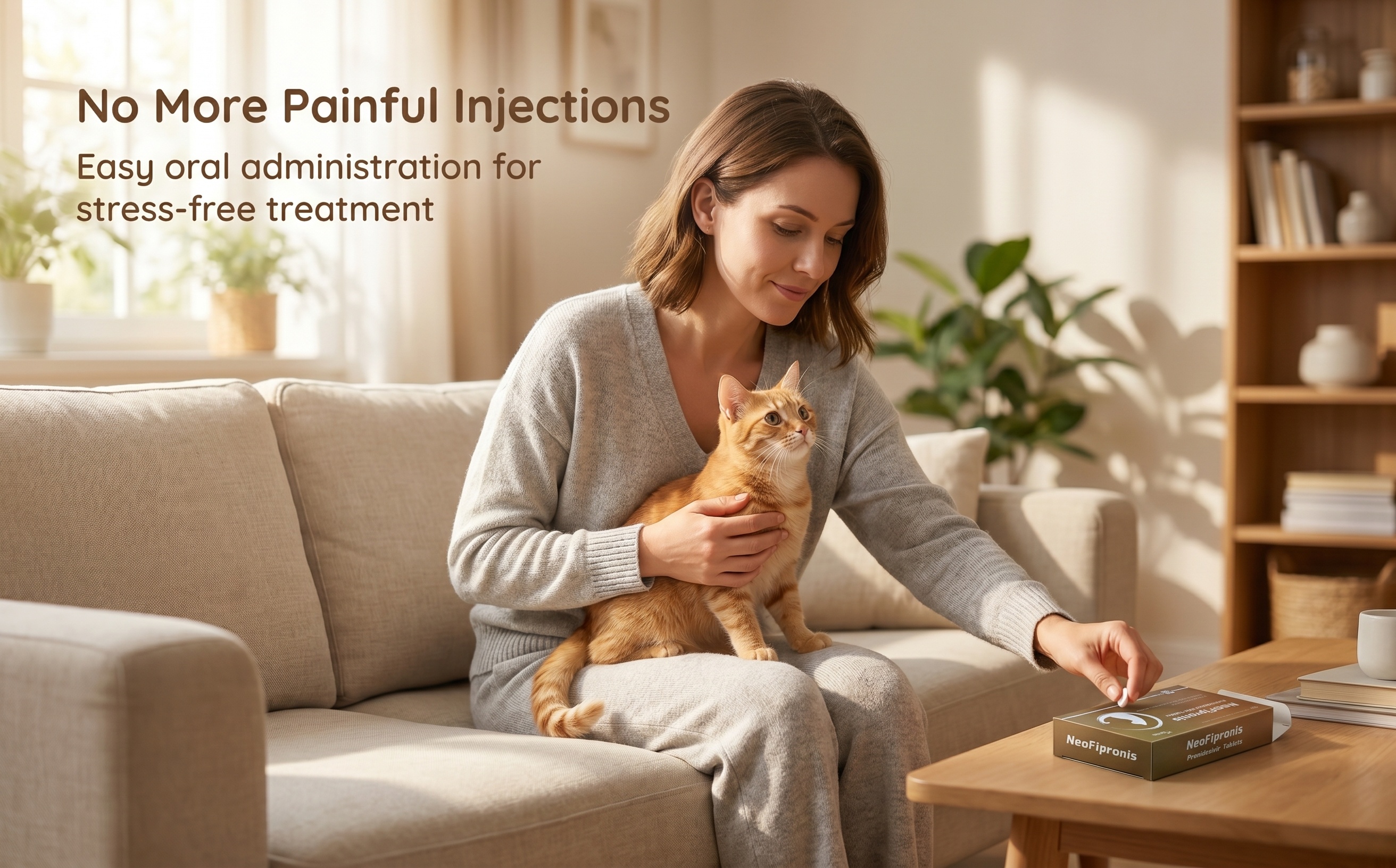
The active component, GS-441524, is a nucleoside analog that inhibits viral RNA-dependent RNA polymerase, crucial for viral replication. Extensive research and clinical studies have validated GS-441524’s potent antiviral effects, making NeoFipronis a crucial breakthrough in FIP management. The medication is administered orally, designed for convenience and minimal invasiveness, with rapid absorption and onset of action.
NeoFipronis is suitable for cats presenting with various FIP symptoms, including anorexia, depression, fever, ascites, pleural effusion, lymph node swelling, inflammatory granulomas, neurological impairments, and ocular abnormalities such as uveitis. The recommended dosage is 15 mg per kilogram of the cat's body weight, equivalent to half a tablet for most cats. For neurological or ocular FIP forms, veterinarians may increase the dosage to 30 mg/kg as per individual case requirements. The medication is typically given once daily, preferably on an empty stomach—one hour before feeding or two hours after.
Safety profile and tolerability are key concerns. NeoFipronis has demonstrated excellent safety margins in preclinical and clinical settings. It is well-tolerated with minimal side effects, mostly limited to transient gastrointestinal upset or mild lethargy. However, ongoing monitoring during treatment is critical. Pet owners should observe for changes in appetite, body temperature, or behavior and perform regular blood work to assess liver and kidney functions. Discontinuation or missed doses can compromise treatment efficacy, emphasizing the necessity of adherence to a prescribed 12-week course.
Although NeoFipronis is classified as an over-the-counter medication, veterinary supervision is strongly recommended. Proper dosing, duration, and monitoring ensure optimal outcomes and minimize potential risks. It is indispensable that owners purchase NeoFipronis from official sources, such as the official NeoFipronis website, to guarantee product authenticity and quality assurance.
Precautions include strict dosing adherence, avoiding self-medication, and ensuring the medication is used solely for feline patients. NeoFipronis should not be administered to humans or other animals. Its safety profile has made it a preferred choice among veterinarians actively fighting FIP; however, using the drug under professional guidance offers the best therapeutic results and minimizes risks.
In conclusion, NeoFipronis (GS-441524) stands out as a safe and effective antiviral for treating FIP in cats, with proven clinical benefits, rapid action, and a good tolerability profile. As a breakthrough in feline medicine, it offers hope to pet owners and veterinarians battling this complex disease. Ensuring correct usage and professional oversight maximizes safety and therapeutic success.