GS-441524 (NeoFipronis) Dosage and Administration
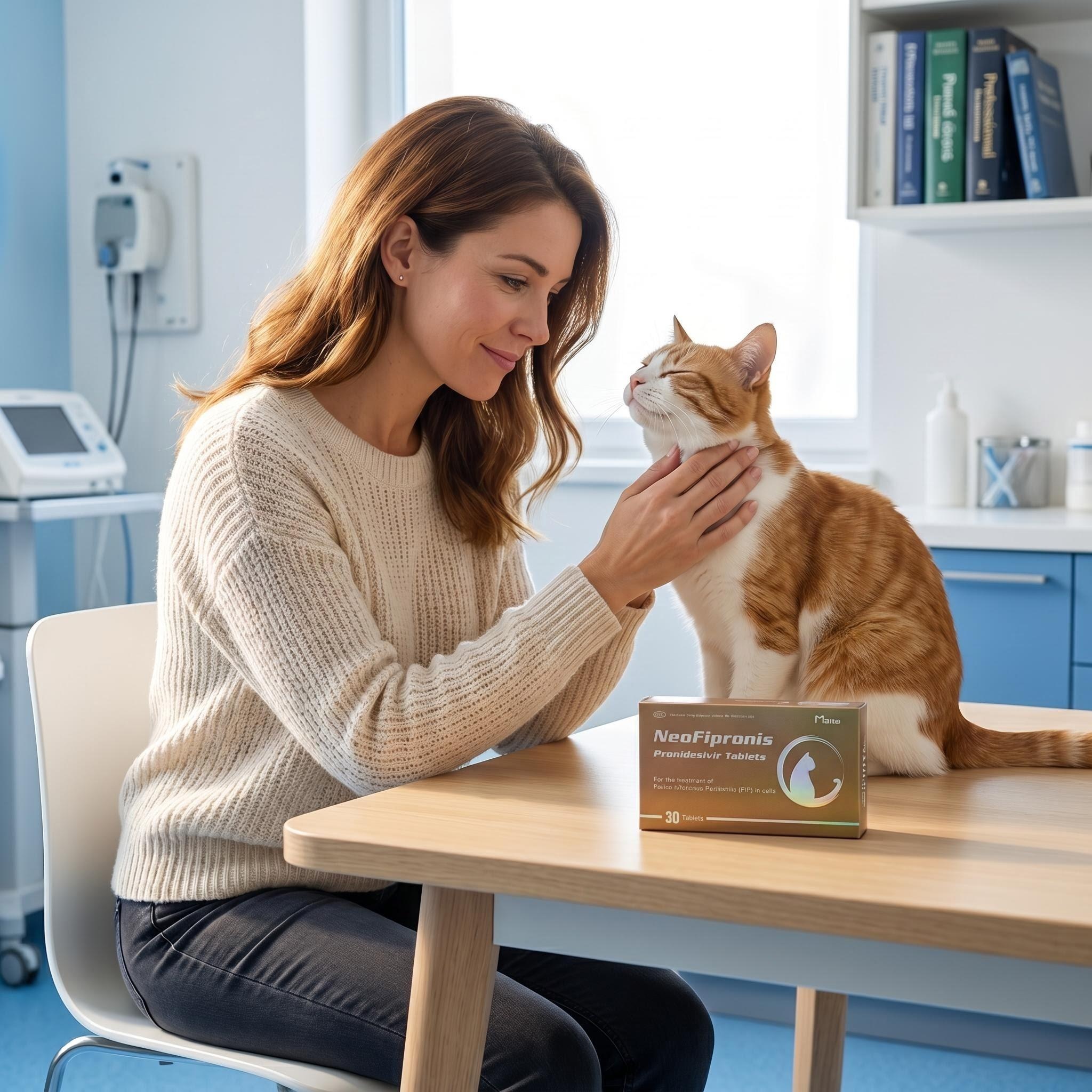
GS-441524, marketed as NeoFipronis (Pronidesivir), is a groundbreaking oral medication specifically developed for the treatment of Feline Infectious Peritonitis (FIP). Approved by Laos’ Ministry of Agriculture and Forestry (MAF) in March 2026, NeoFipronis is the world's first officially registered veterinary drug for FIP, offering a safe, non-invasive, and highly effective therapy for cats afflicted with this deadly disease.
FIP is a severe and often fatal viral infection in cats caused by a mutated feline coronavirus. Symptoms typically include loss of appetite, lethargy, fever, abdominal and chest effusions, lymphadenopathy, granulomatous lesions, neurological damage, and uveitis. NeoFipronis addresses these symptoms effectively, demonstrating remarkable results in clinical trials and veterinarian cases. Its active ingredient, GS-441524, has been extensively studied and validated for its potent antiviral properties, targeting the replication of the coronavirus responsible for FIP.
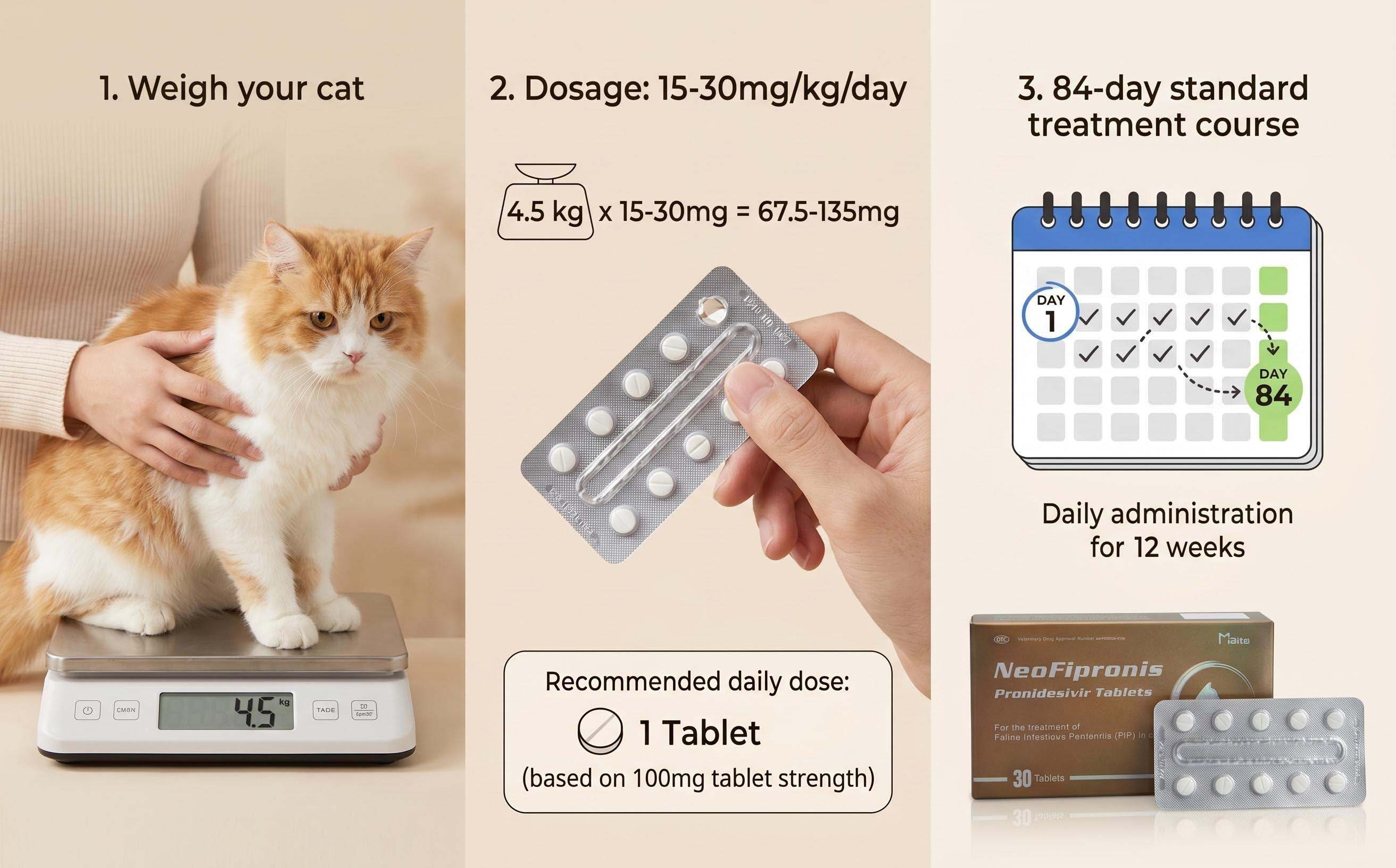
Administering NeoFipronis requires careful attention to dosage and timing. The standard dosage for cats is based on body weight, with a recommendation of 15 mg per kilogram of body weight per day—a half tablet per kilogram. For cats exhibiting neurological or ocular symptoms, the dosage may be increased to 30 mg/kg, but such adjustments should always be made under veterinary supervision. The medication is designed for once-daily oral administration, preferably on an empty stomach—either one hour before feeding or two hours after—to ensure optimal absorption.
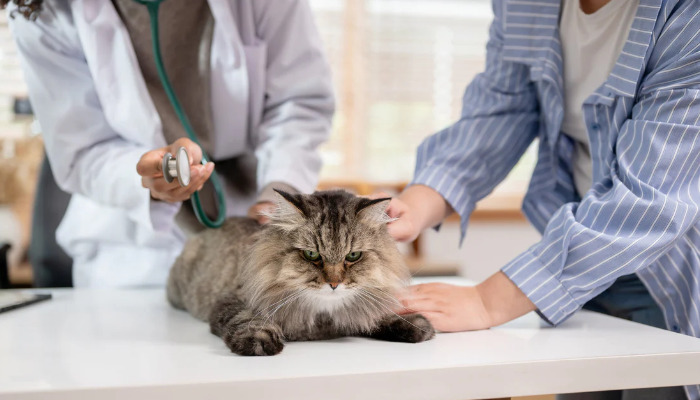
The treatment course should be maintained for a minimum of 12 weeks. Consistency is crucial; missed doses can compromise treatment efficacy and lead to relapse. During therapy, pet owners should closely monitor their cats' appetite, body temperature, activity levels, and overall health. Regular veterinary check-ups, including blood tests and liver and kidney function assessments, are essential to track progress and detect any potential adverse effects early.
NeoFipronis's safety profile is excellent, with minimal side effects reported. Its formulation ensures rapid absorption and onset of action, providing quick relief from symptoms and improving chances of recovery. Despite being available as an over-the-counter medication in certain regions, it is strongly recommended that owners consult a veterinarian before initiating treatment to optimize outcomes and ensure appropriate dosing, especially in complex or neurological cases.
Quality assurance is critical when purchasing NeoFipronis. Buyers should only acquire the medication through official NeoFipronis websites or authorized veterinary distributors to guarantee product authenticity and safety. Counterfeit or improperly stored drugs can undermine treatment effectiveness and pose health risks to cats.
In summary, NeoFipronis (Pronidesivir) represents a significant advancement in feline medicine, offering a highly effective, safe, and convenient oral treatment for FIP. Its demonstrated antiviral potency, combined with straightforward administration and minimal side effects, makes it a vital tool in managing this devastating disease. Pet owners and veterinarians should collaborate closely to ensure proper dosing, adherence to treatment duration, and regular health monitoring for the best possible chance of recovery.