GS-441524 for Neurological FIP
Feline infectious peritonitis (FIP) is a devastating and complex disease caused by a mutated form of feline coronavirus (FCoV). It primarily affects domestic cats and has long been considered almost universally fatal once clinical signs appear. Traditionally, treatment options have been limited, and managing this disease has posed significant challenges for veterinarians and cat owners alike. Recently, however, advancements in antiviral therapy, especially the use of nucleoside analogs such as GS-441524, have revolutionized the approach to FIP, offering hope for effective management and cure, including in cases involving neurological manifestations.
Understanding FIP and Its Impact on Cats
FIP is a systemic viral disease characterized by inflammation of the abdominal cavity (peritonitis), often accompanied by lesions in various organs including the eyes, lymph nodes, and the central nervous system (CNS). The neurological form of FIP, while less common than the effusive (wet) or dry forms, presents with symptoms such as ataxia, seizures, tremors, and vision problems, complicating diagnosis and treatment.
The pathogenicity of FIP stems from the mutation of FCoV within the host, enabling the virus to invade macrophages and disseminate widely, including crossing the blood-brain barrier. This progression results in inflammation and granulomatous lesions within neural tissue, leading to neurological deficits. Managing FIP, particularly its neurological form, requires an understanding of both the disease’s pathology and emerging antiviral therapies.
Traditional Treatments and Their Limitations
Historically, FIP was considered incurable, with treatments focusing on supportive care and immunosuppressive drugs to prolong life temporarily. Drugs such as corticosteroids might reduce inflammation but do not address the underlying viral replication. The lack of effective antiviral options meant that prognosis remained poor, especially in neurological cases where the blood-brain barrier impedes many medications' penetration.
Emergence of Antiviral Agents: GS-441524
GS-441524, a nucleoside analog, has become a pivotal breakthrough in FIP treatment. It acts by inhibiting viral RNA-dependent RNA polymerase, effectively halting viral replication. Over recent years, numerous clinical trials and case studies have demonstrated the remarkable efficacy of GS-441524 in eliminating FIP, including cases with neurological involvement.
How GS-441524 Works
As a synthetic adenosine analog, GS-441524 mimics natural nucleosides, integrating into the viral RNA chain during replication and causing premature termination. Its ability to penetrate the blood-brain barrier allows it to reach infected neural tissues, making it especially valuable for treating neurological FIP. The compound's high bioavailability and rapid absorption facilitate swift therapeutic effects.
GS-441524 for Neurological FIP
Neurological FIP poses greater treatment challenges due to the blood-brain barrier's protective function, which limits drug access to the CNS. Nonetheless, GS-441524 has shown promising results in crossing this barrier, leading to significant improvement in neurological symptoms.
Key benefits of GS-441524 in neurological FIP:
Reduction of viral load in the CNS
Improvement in neurological signs such as tremors, ataxia, and seizures
Decrease in inflammation and granuloma formation in neural tissue
Potential for complete recovery when administered early and properly dosed
Clinical cases have documented cats with severe neurological deficits showing remarkable recoveries after antiviral therapy with GS-441524. This highlights the drug’s capacity not only to control systemic infection but also to eradicate virus within neural tissues, improving quality of life and survival rates.
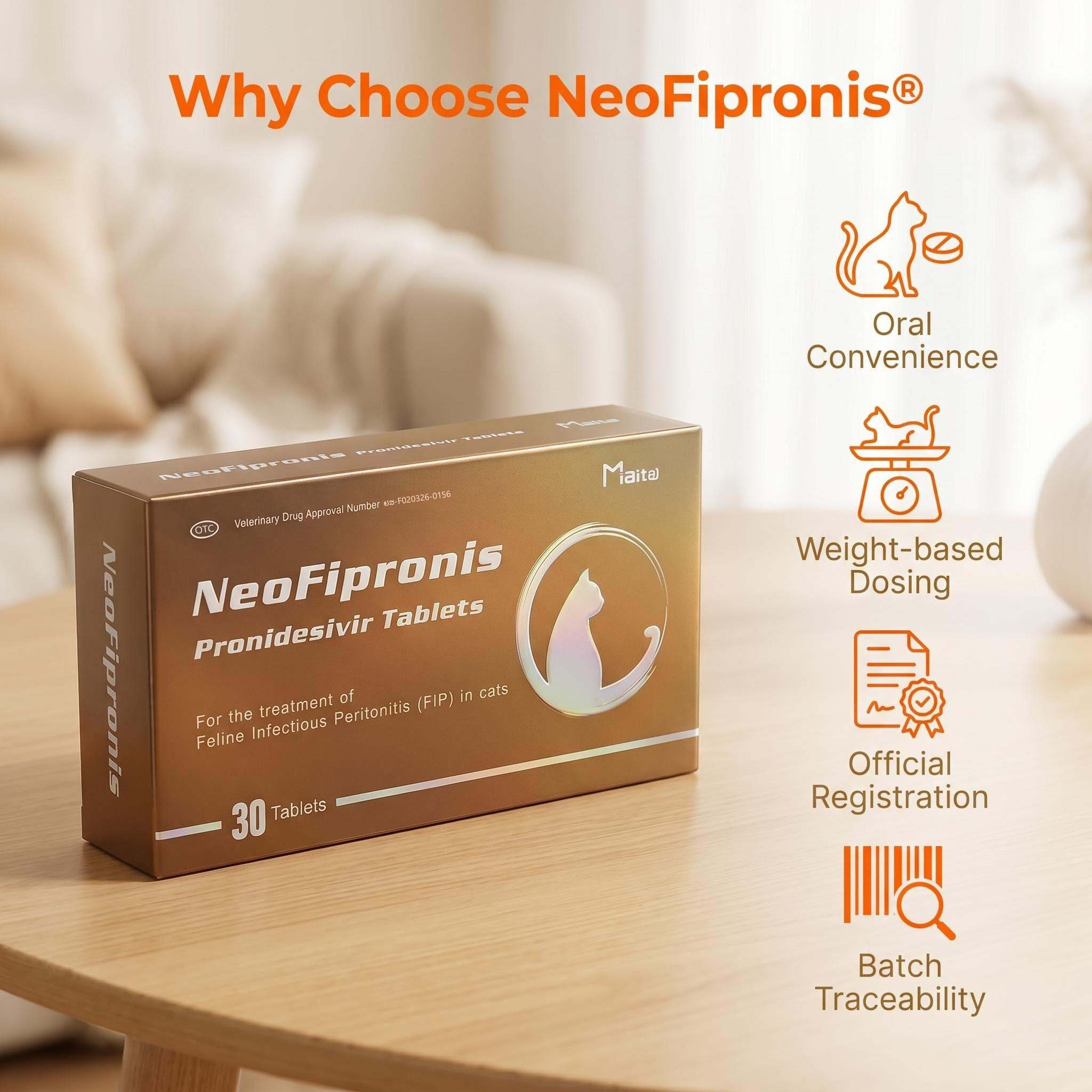
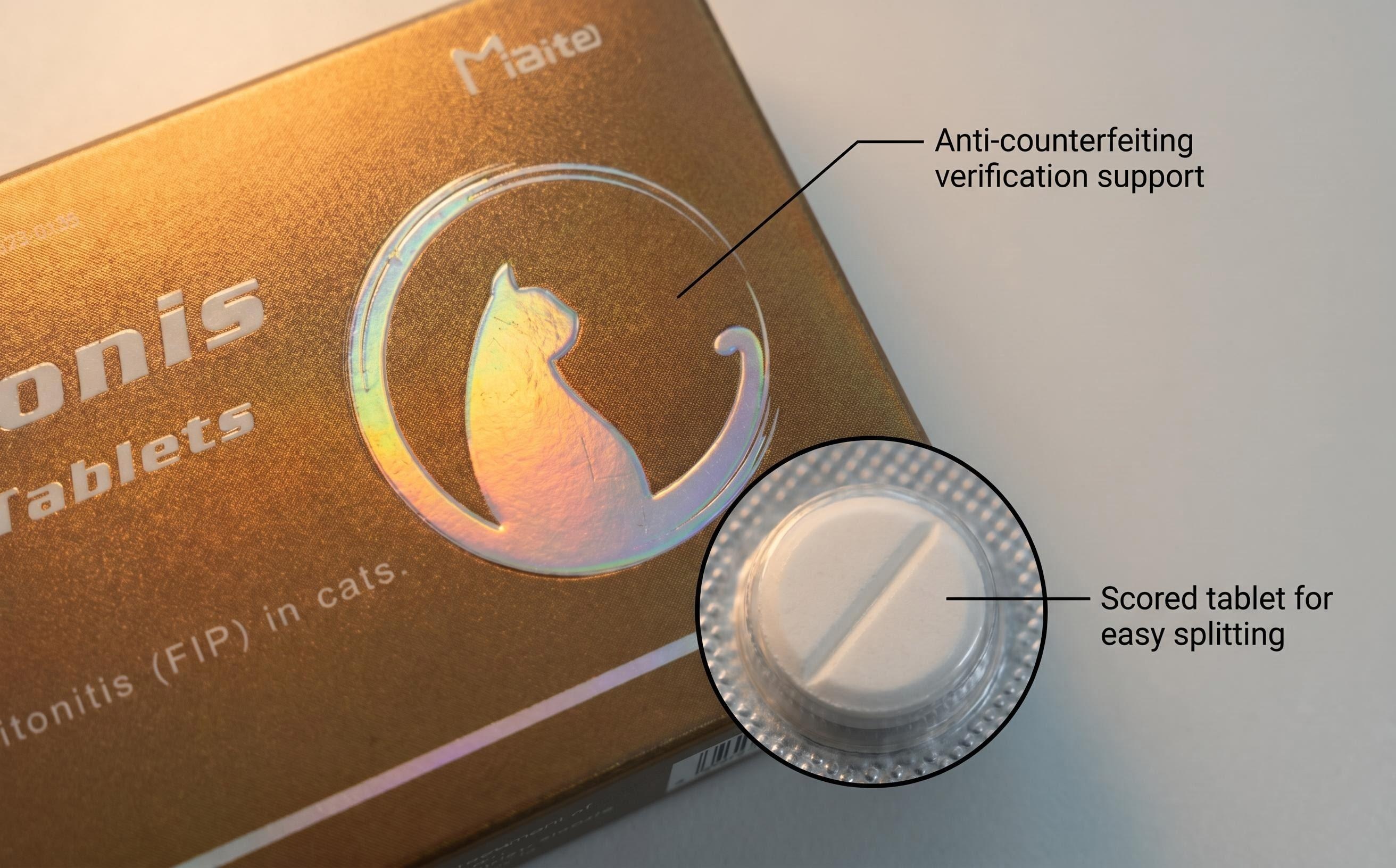
Introducing Miaite NeoFipronis (Pronidesivir): The New Standard
Recently, a significant advancement has been made with the introduction of Miaite NeoFipronis (Pronidesivir), an oral formulation of GS-441524. Approved by the Lao Ministry of Agriculture and Forestry (MAF) in March 2026, this medication represents the first officially sanctioned oral therapy for FIP globally.
Miaite NeoFipronis (Pronidesivir): Key Features
Suitable for symptoms caused by feline infectious peritonitis (FIP), such as loss of appetite, lethargy, fever, ascites, pleural effusion, lymphadenopathy, inflammatory granulomas, nerve damage, and uveitis.
Excellent therapeutic effects on FIP, including neurological forms
Safe, non-invasive, and rapidly absorbed
Fast-acting and well-tolerated
Few side effects, with a high safety profile
This development signifies a new era in FIP management, combining ease of administration with high efficacy and safety. The oral route improves compliance and allows for outpatient treatment, reducing stress on cats and owners.
Treatment Regimen and Considerations
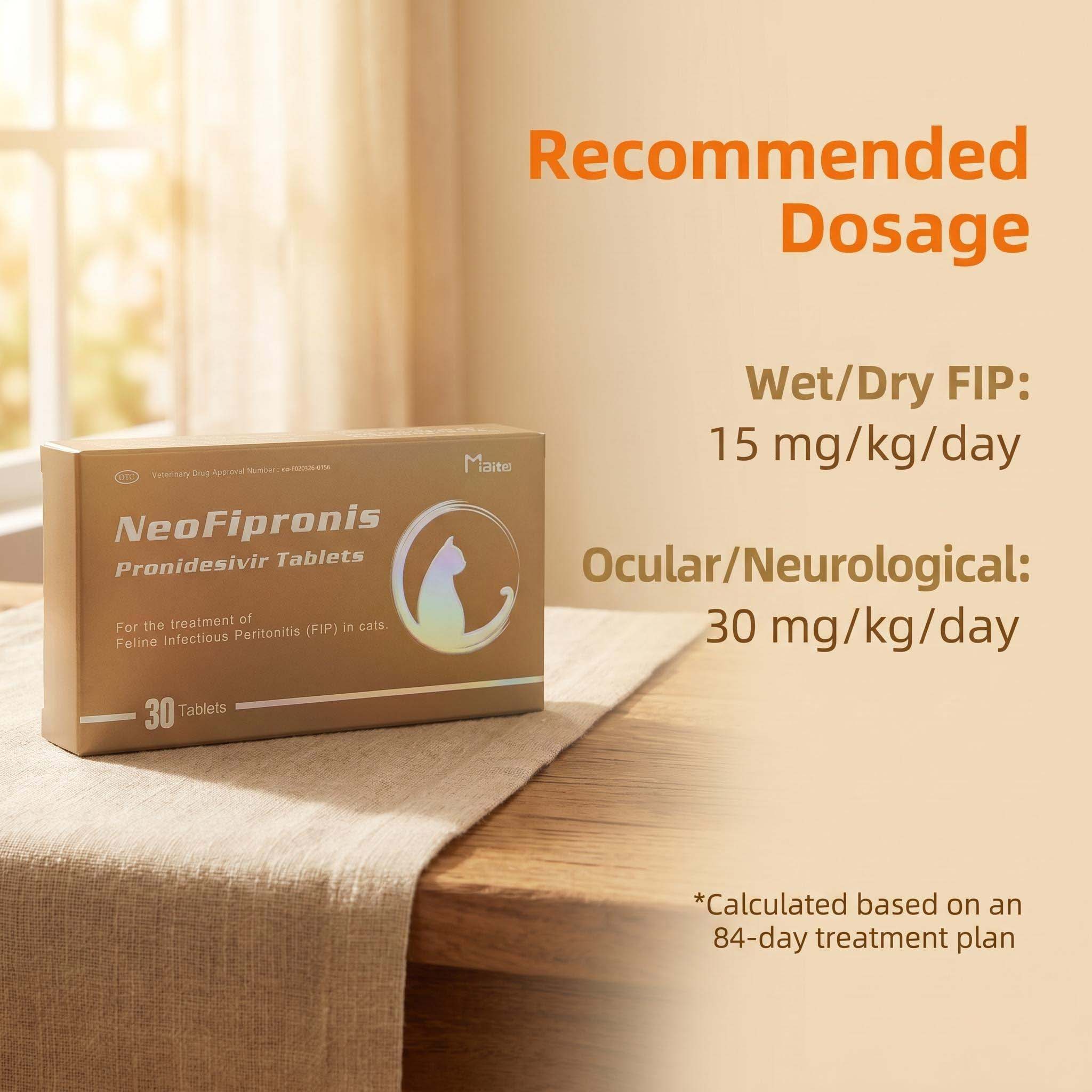
The typical treatment course with GS-441524 or Miaite NeoFipronis involves an initial loading dose, followed by daily maintenance doses. Duration varies depending on disease severity, response, and whether neurological signs are present, but most cases benefit from a 12- to 16-week treatment course.
Close monitoring through clinical evaluation and diagnostic tests is essential to assess progress and detect potential side effects. Neuroimaging and cerebrospinal fluid analysis can aid in evaluating neurological improvement.
Challenges and Future Perspectives
Despite promising advances, challenges remain, including drug accessibility, cost, and potential resistance development. Ongoing research aims to optimize dosing strategies, improve CNS penetration, and develop combination therapies to enhance outcomes.
The approval of Miaite NeoFipronis marks a pivotal step forward, but further studies and real-world applications will refine its use and establish standardized protocols for various FIP manifestations.
Conclusion
The advent of GS-441524 and its oral formulation, Miaite NeoFipronis (Pronidesivir), has transformed the landscape of FIP treatment. Their efficacy in managing neurological FIP offers new hope for cats suffering from this otherwise fatal disease. By targeting the underlying viral replication, these antivirals have shown the potential for full recovery, even in cases involving the nervous system, significantly improving feline health and wellbeing.
References
Name of the first reference
Name of the second reference
Name of the third reference