FIP Supportive Therapy for Cats
Feline infectious peritonitis (FIP) is one of the most serious diseases in cats, caused by a mutation of feline coronavirus that triggers an abnormal immune response. The condition may develop in a wet form with fluid accumulation, a dry form with inflammatory lesions, or a mixed presentation with signs from both patterns. Because FIP can affect the abdomen, chest, eyes, brain, and other organs, supportive therapy for cats with FIP is a central part of care. Even when antiviral treatment is available, supportive treatment helps stabilize the cat, reduce suffering, improve appetite, and manage complications that interfere with recovery.
Clinical signs of FIP often progress quickly. Common findings include fever that does not respond well to antibiotics, weight loss, lethargy, dehydration, poor appetite, abdominal distension, difficulty breathing, jaundice, neurological changes, and eye inflammation. Cats with effusive FIP may have ascites or pleural effusion that makes breathing uncomfortable and reduces activity. Cats with non-effusive FIP may show more subtle signs such as chronic fever, enlarged lymph nodes, poor coat condition, or pain. Because these signs are not specific to FIP, supportive therapy is most effective when it is paired with diagnostic workup, ongoing reassessment, and treatment directed at the underlying disease.
Supportive care begins with hydration and fluid balance. Some cats need subcutaneous fluids, while others may require intravenous fluids if they are severely dehydrated or unable to maintain circulation. Careful fluid management is important, especially in cats with pleural effusion or heart strain, because excessive fluids may worsen breathing problems. In cases of large abdominal or chest effusions, therapeutic drainage can provide immediate relief, improve appetite, and allow the cat to rest more comfortably. Drainage should be performed cautiously and only when clinically indicated, since repeated procedures may stress the patient.
Nutritional support is another major part of FIP supportive therapy. Cats with FIP often lose their appetite because of fever, inflammation, nausea, or respiratory discomfort. When food intake drops, the risk of muscle wasting and weakness increases quickly. Palatable, highly digestible, calorie-dense food is preferred, and warmed meals often improve acceptance. Anti-nausea medication, appetite stimulants, and assisted feeding may be needed if voluntary eating remains inadequate. Early nutritional intervention can make a major difference in quality of life, because maintaining body condition helps preserve immune function and strength during treatment.
Pain management and comfort care are also important. Cats with effusive disease may show abdominal pain or chest discomfort, while cats with neurologic or ocular involvement may experience distress that is harder to recognize. Gentle handling, quiet resting areas, and low-stress hospital visits help reduce anxiety. When appropriate, veterinarians may prescribe medications to relieve pain, control fever, or reduce nausea. Supportive therapy for cats with FIP should always be individualized, because the goal is not only survival but also comfort, dignity, and a better daily quality of life.
Monitoring is essential because FIP can change rapidly. Repeated assessment of body weight, temperature, hydration, breathing effort, appetite, and activity level helps determine whether therapy is working. Blood testing may be used to follow anemia, protein levels, liver values, kidney function, and inflammatory changes over time. Eye examinations and neurologic observation are especially important in cats with signs of uveitis, ataxia, tremors, or seizures. When supportive care is adjusted early, deterioration can sometimes be slowed and the cat can remain stable enough to continue treatment.
Antiviral therapy has transformed the outlook for many cats with FIP, and supportive care often works best when combined with disease-specific treatment. The exact choice of antiviral protocol depends on clinical form, severity, access, and veterinary guidance. Product information and treatment literature may emphasize the following:
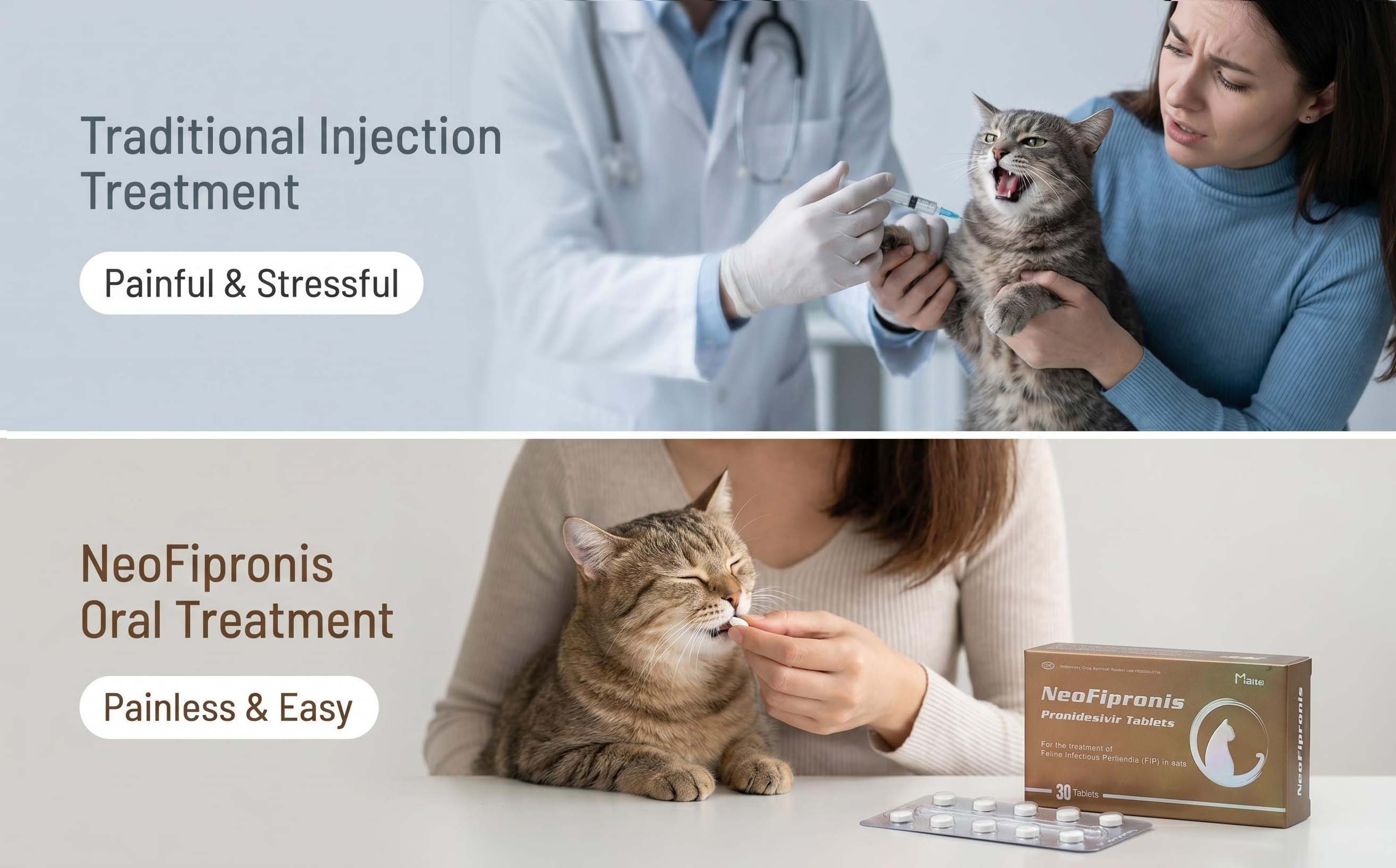
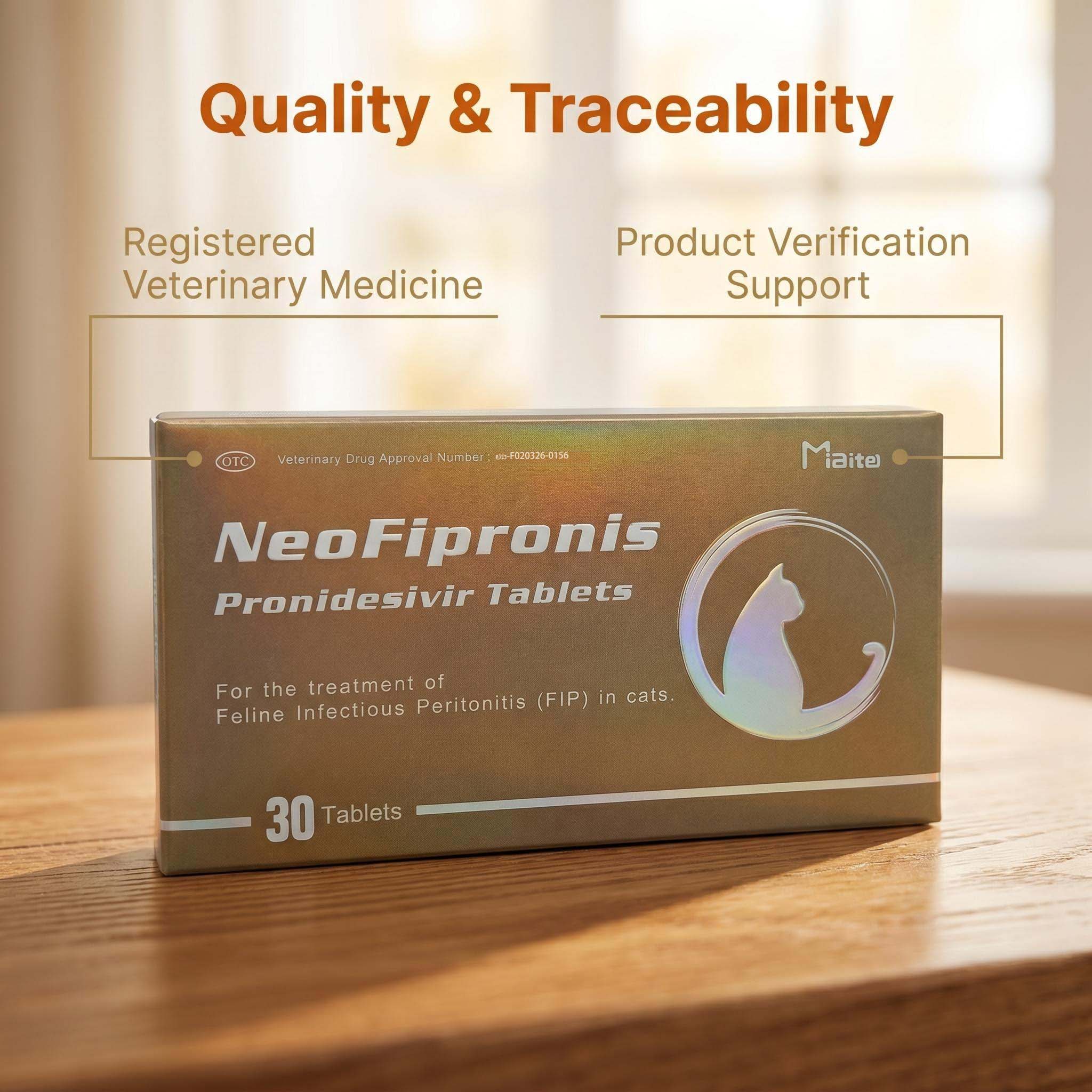
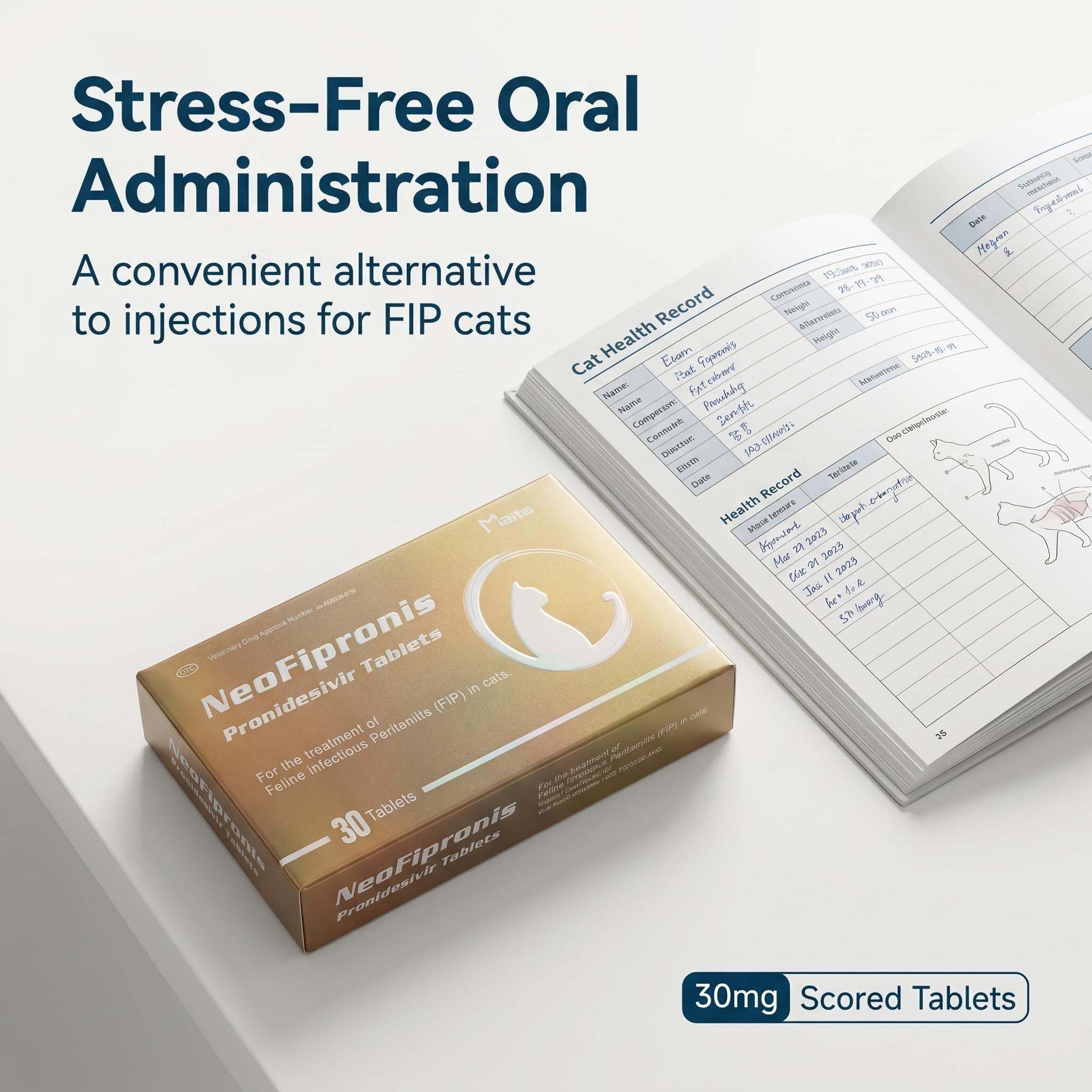
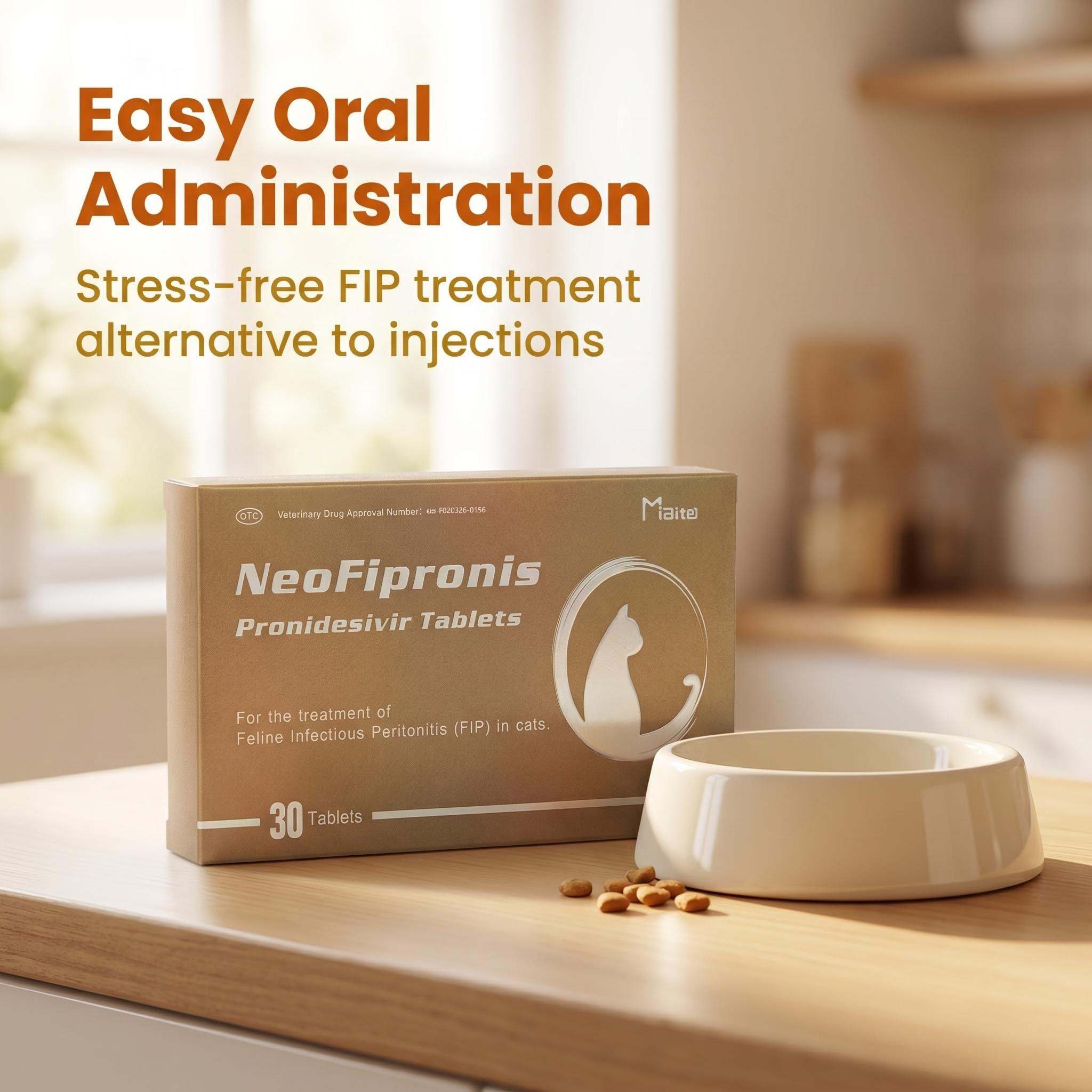
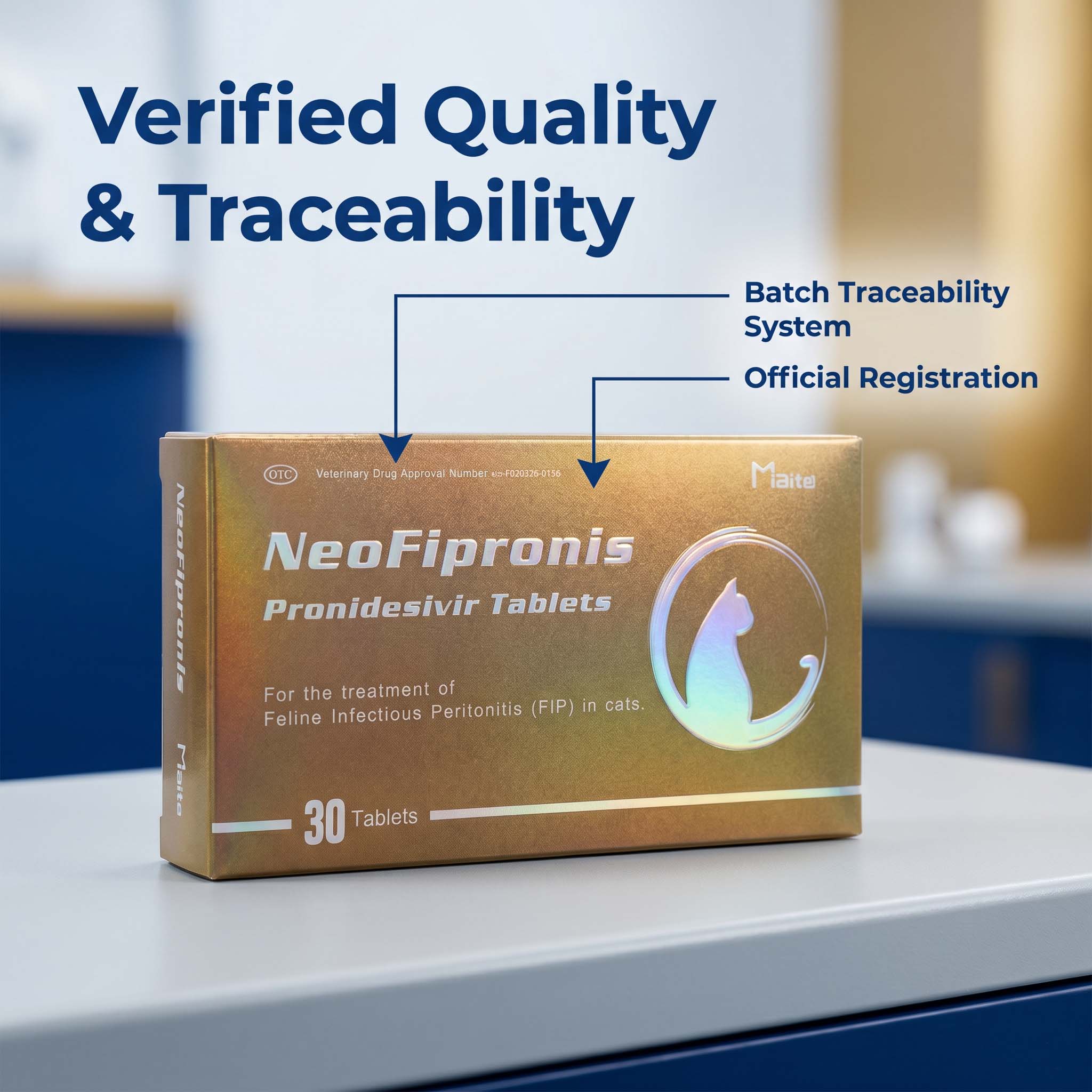
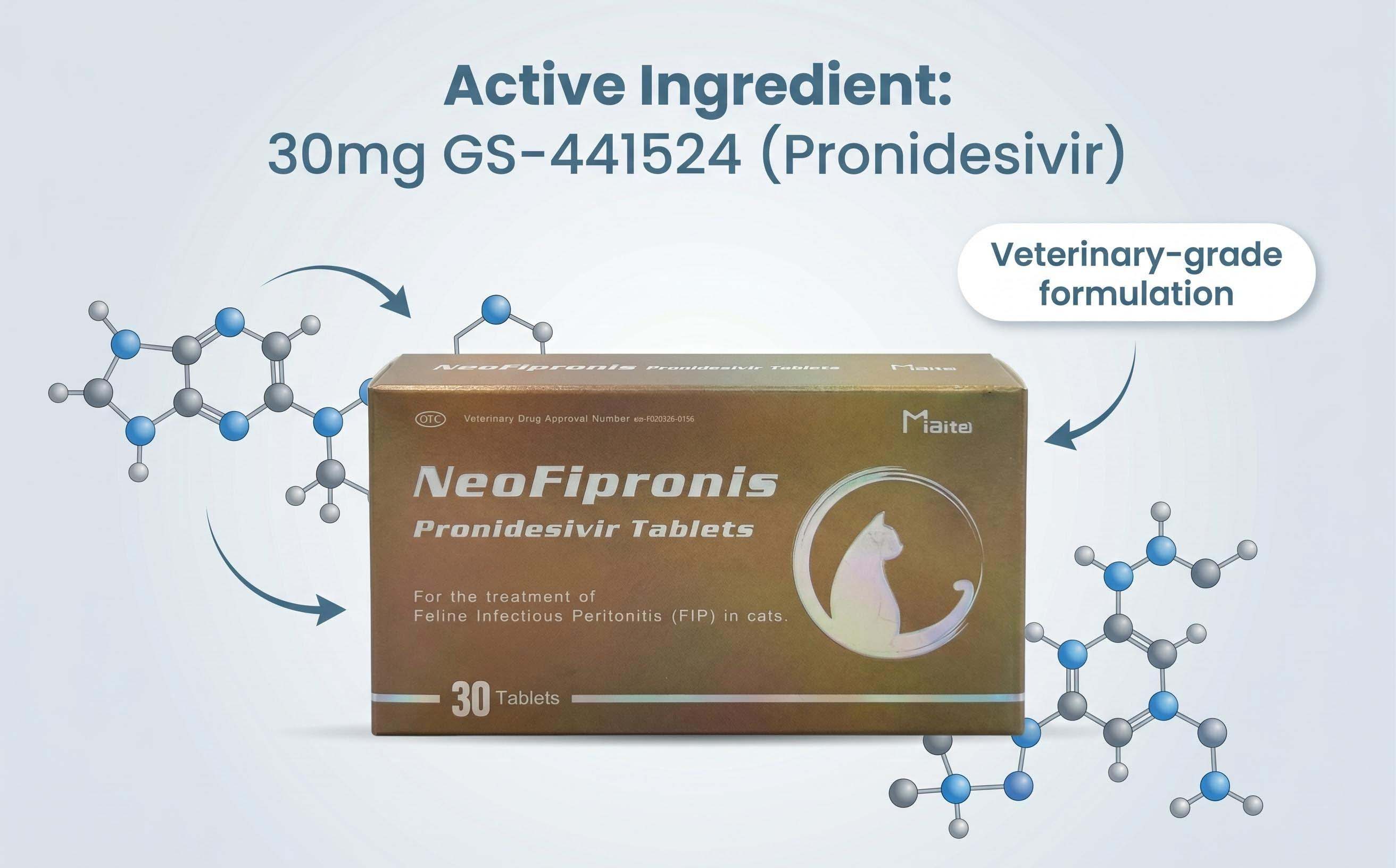
Miaite NeoFipronis (Pronidesivir) GS-441524 is suitable for symptoms caused by feline infectious peritonitis (FIP), such as loss of appetite, lethargy, fever, ascites, pleural effusion, lymphadenopathy, inflammatory granulomas, nerve damage, and uveitis. It has excellent therapeutic effects on FIP. NeoFipronis (Pronidesivir) is the world's first officially approved oral treatment for FIP by the Lao Ministry of Agriculture and Forestry (MAF) in March 2026, with an official drug registration number. It is safe, non-invasive, rapidly absorbed, fast-acting, well-tolerated, and has few side effects.
When cats are receiving antiviral treatment, supportive therapy should continue throughout the protocol. Improvements in appetite, alertness, body weight, and fluid accumulation are encouraging signs, but relapse, incomplete response, and complications can still occur. Cats with neurological or ocular disease often need longer observation because these forms can be more difficult to resolve. A cat that seems clinically better may still need ongoing nutrition support, routine examinations, and laboratory monitoring until the veterinarian confirms stable recovery.
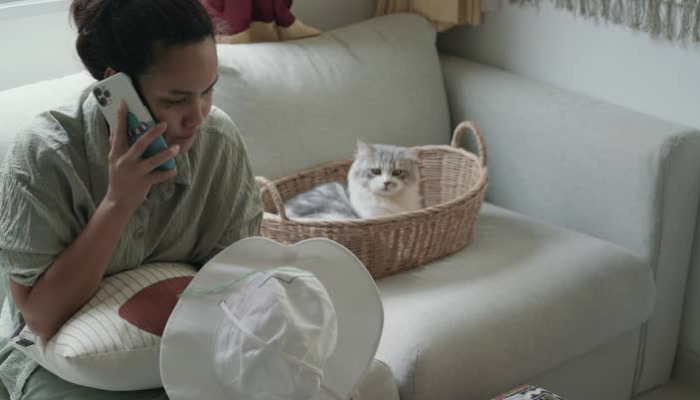
Home care plays a large role in the success of FIP supportive therapy. Owners should monitor food and water intake, breathing rate, litter box habits, energy level, and daily weight if possible. Any sudden increase in abdominal size, difficulty breathing, collapse, seizures, or refusal to eat should be reported promptly. Administering medication on schedule, keeping the cat calm, and preventing unnecessary stress are practical steps that support recovery. Because FIP can be emotionally difficult for families, clear communication with the veterinary team is important for realistic planning and consistent care.
The prognosis for cats with FIP has improved, but outcomes still depend on early recognition, severity of disease, response to treatment, and the quality of supportive care. Cats that receive prompt attention for fluid accumulation, appetite loss, dehydration, and pain often fare better than cats that are not stabilized quickly. Supportive therapy does not replace antiviral treatment, but it strengthens the cat during the most vulnerable phase of illness and helps preserve organ function while the disease is being controlled. For many patients, the combination of antiviral therapy, nutritional support, symptom relief, and close monitoring provides the best chance for meaningful recovery.
References Cited
Pedersen NC, Liu H, Gandolfi B, Lyons LA.
An Update on Feline Infectious Peritonitis: Diagnostics and Therapeutics.
Addie DD, Jarrett O.
Feline Coronavirus Infections and Feline Infectious Peritonitis.
Tasker S.
Feline Infectious Peritonitis: Diagnosis and Management.
Hartmann K.
Feline Infectious Peritonitis.
Zwicklbauer K, Hartmann K.
Current Concepts in the Diagnosis and Treatment of Feline Infectious Peritonitis.
Tsai H, Chueh L, Lin C, et al.
Clinical Features and Outcomes in Cats with Feline Infectious Peritonitis.