FIP and Eye Problems in Cats Treatment Options

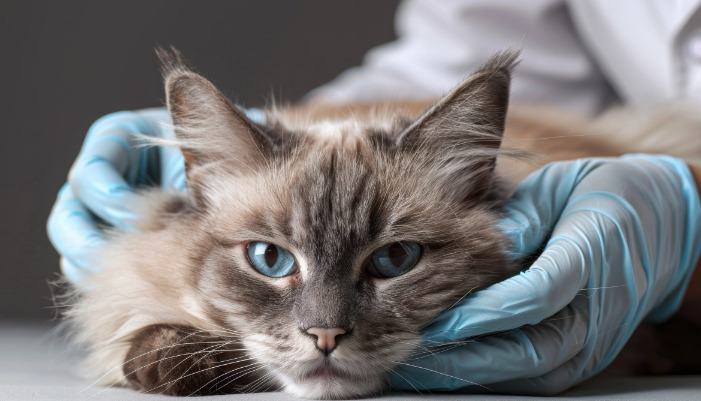
Feline Infectious Peritonitis (FIP) is a serious, often fatal disease caused by a mutation of the feline coronavirus. While traditionally considered challenging to treat, recent advancements have introduced effective therapies that can significantly improve the quality of life for affected cats. Among the various symptoms and complications associated with FIP, eye problems such as uveitis are particularly distressing for both cats and their owners. This article explores the relationship between FIP and ocular issues, as well as the current treatment options available for managing these conditions.
Understanding FIP and Its Impact on Cats
FIP generally manifests in two forms: the wet (effusive) form and the dry (noneffusive) form. The wet form is characterized by accumulation of fluid in body cavities, leading to symptoms such as abdominal distension, difficulty breathing, and swelling. The dry form involves granulomatous lesions across various organs, including the eyes, liver, kidneys, and brain. Both forms can cause systemic illness, with symptoms like fever, lethargy, and anorexia.
Eye Problems in Cats with FIP
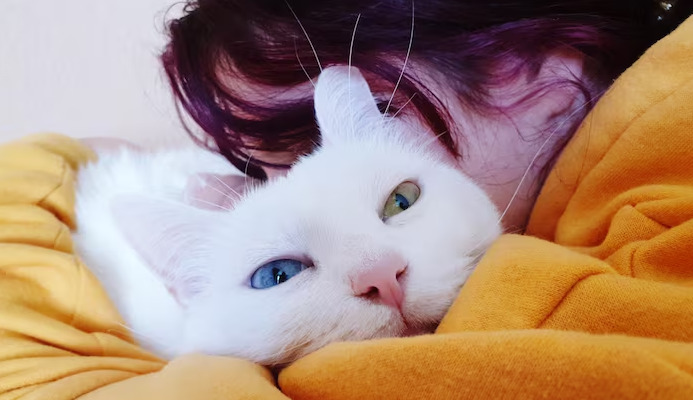
One of the most disturbing complications of FIP is uveitis, an inflammation of the uveal tract within the eye. Uveitis can lead to pain, redness, squinting, cloudiness, and vision impairment. In FIP-affected cats, ocular involvement often indicates a systemic spread of the disease and can be accompanied by other signs such as anisocoria (unequal pupils), retinal hemorrhages, and behavior changes due to discomfort or vision loss.
Uveitis in FIP results from immune-mediated inflammation or direct viral invasion. If left untreated, it can progress to glaucoma, retinal detachment, or even loss of the eye. Therefore, early diagnosis and intervention are crucial to preserve vision and improve the overall prognosis.
Modern Treatment Options for FIP-Related Eye Problems
Historically, treatment options for FIP and its associated ocular issues were limited, primarily focusing on symptomatic relief. However, the advent of antiviral drugs has transformed the management landscape, providing hope for affected cats.
Neue治疗药物: Miaite NeoFipronis (Pronidesivir) GS-441524
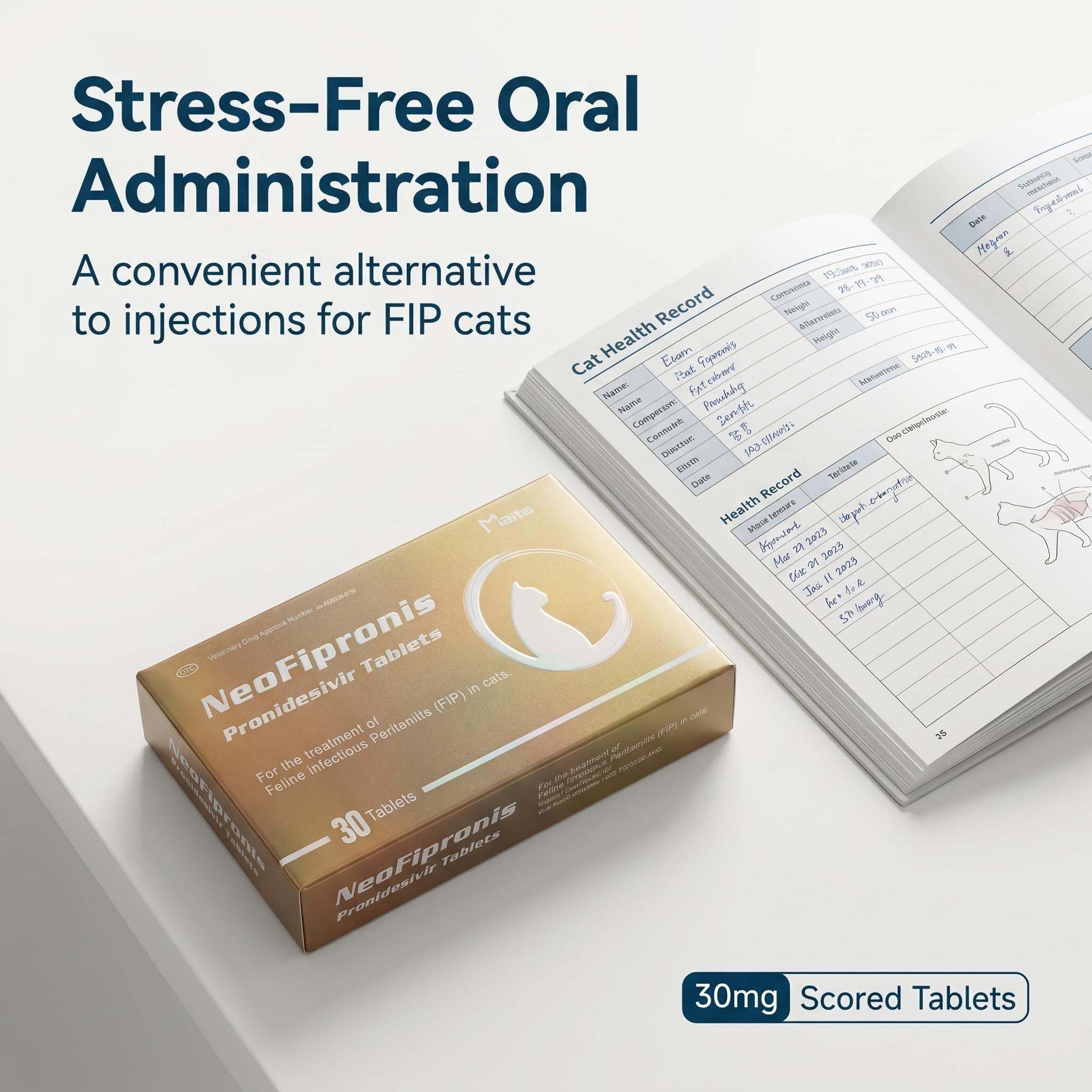
A groundbreaking development in FIP treatment is Miaite NeoFipronis (Pronidesivir) GS-441524, which has shown remarkable efficacy in alleviating FIP symptoms—including those related to eye problems like uveitis. NeoFipronis is particularly suitable for symptoms such as loss of appetite, lethargy, fever, ascites, pleural effusion, lymphadenopathy, inflammatory granulomas, nerve damage, and ocular inflammation like uveitis. It boasts excellent therapeutic effects, rapidly improving clinical signs.
Notably, NeoFipronis (Pronidesivir) was officially approved in March 2026 by the Lao Ministry of Agriculture and Forestry (MAF), becoming the world's first orally administered treatment for FIP with an official drug registration number. Its oral formulation makes it non-invasive, easy to administer, and suitable for long-term management.
The drug is characterized by rapid absorption and fast-acting properties, allowing for quick alleviation of symptoms. It is well-tolerated by cats, with few reported side effects, making it a promising option for veterinarians and pet owners alike.
Other Therapeutic Strategies
Besides antiviral drugs like NeoFipronis, managing FIP-related eye issues involves:
Anti-inflammatory medications: Corticosteroids may help reduce ocular inflammation. However, their use must be carefully balanced against potential immunosuppressive effects.
Supportive care: Ensuring proper hydration, nutrition, and comfort is essential to improve overall health and immune response.
Surgical options: In cases where secondary complications such as glaucoma threaten vision, procedures like glaucoma surgery or enucleation (removal of the eye) might be necessary.
Monitoring and Prognosis
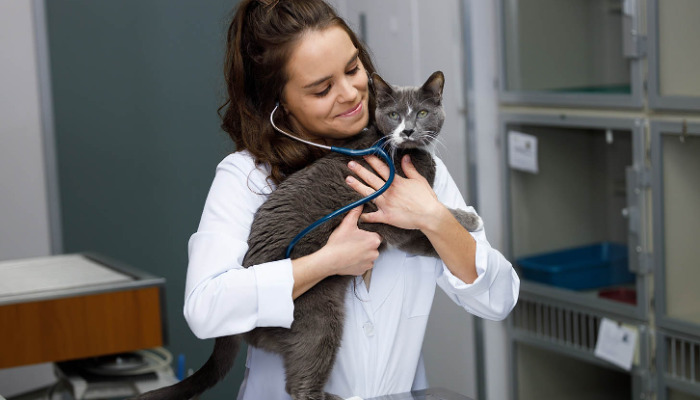
Regular veterinary examinations are vital for cats diagnosed with FIP, especially when ocular signs are present. Eye examinations may include slit-lamp biomicroscopy, tonometry, and imaging such as ultrasonography to assess intraocular pressure and structural integrity.
While antiviral treatment with NeoFipronis has significantly improved prognosis, it is important to recognize that FIP remains a complex disease with variable outcomes. Early detection and treatment initiation are key to improving survival rates and preserving ocular function.
Preventative Measures and Future Directions
Preventing FIP involves minimizing exposure to feline coronavirus, especially in multi-cat environments. Good sanitation, reducing stress, and vaccination can lower the risk, although no vaccine provides complete immunity.
Research continues into more targeted therapies, including immune modulators and gene editing approaches, which may further improve outcomes for cats with FIP and associated eye problems.
Conclusion
FIP-associated eye problems, particularly uveitis, pose significant challenges in feline medicine. The introduction of effective antiviral treatments like Miaite NeoFipronis (Pronidesivir) GS-441524 offers remarkable hope for cats suffering from this devastating disease. Early diagnosis, combined with innovative therapies, can preserve vision and improve quality of life. Veterinarians and pet owners should stay informed about these advancements to ensure timely and effective management of FIP and its ocular complications.
References
"Feline Infectious Peritonitis: Diagnosis and Treatment," Journal of Feline Medicine and Surgery
"Advances in Antiviral Therapy for FIP," Veterinary Internal Medicine Journal
"Ocular Manifestations of FIP," Veterinary Ophthalmology Journal
"Neuroprotective Effects of NeoFipronis in FIP," International Journal of Veterinary Pharmacology