Choosing the Right Treatment Plan for FIP
Feline Infectious Peritonitis (FIP) remains one of the most challenging and devastating diseases affecting cats worldwide. Caused by a mutated form of the feline coronavirus, FIP is characterized by severe inflammation that can affect various organs, leading to a wide range of clinical signs and often resulting in a fatal outcome. Although traditionally considered almost invariably fatal, recent advances in veterinary medicine have introduced new therapeutic options that significantly alter the prognosis for affected cats. Selecting an appropriate treatment plan requires a comprehensive understanding of available therapies, their efficacy, safety, and the specific needs of the individual feline patient.
Understanding FIP and Its Clinical Manifestations
FIP manifests primarily in two forms: the effusive or 'wet' form and the non-effusive or 'dry' form. The wet form is characterized by the accumulation of fluid—often in the abdomen (ascites), chest (pleural effusion), or both—causing distention and breathing difficulties. The dry form features granulomatous lesions in organs such as the liver, kidneys, or nervous system, often leading to neurological signs and ocular issues like uveitis. Symptoms generally include fever, weight loss, lethargy, loss of appetite, and swollen lymph nodes.
The disease’s progression is rapid in many cases, emphasizing the importance of early diagnosis and timely intervention. Traditional diagnostic methods involve a combination of clinical signs, laboratory tests, imaging, and sometimes biopsy. However, recent developments have improved the accuracy and availability of diagnostic tools, enabling more targeted treatments.
Advances in FIP Treatment: The Role of Antiviral Agents
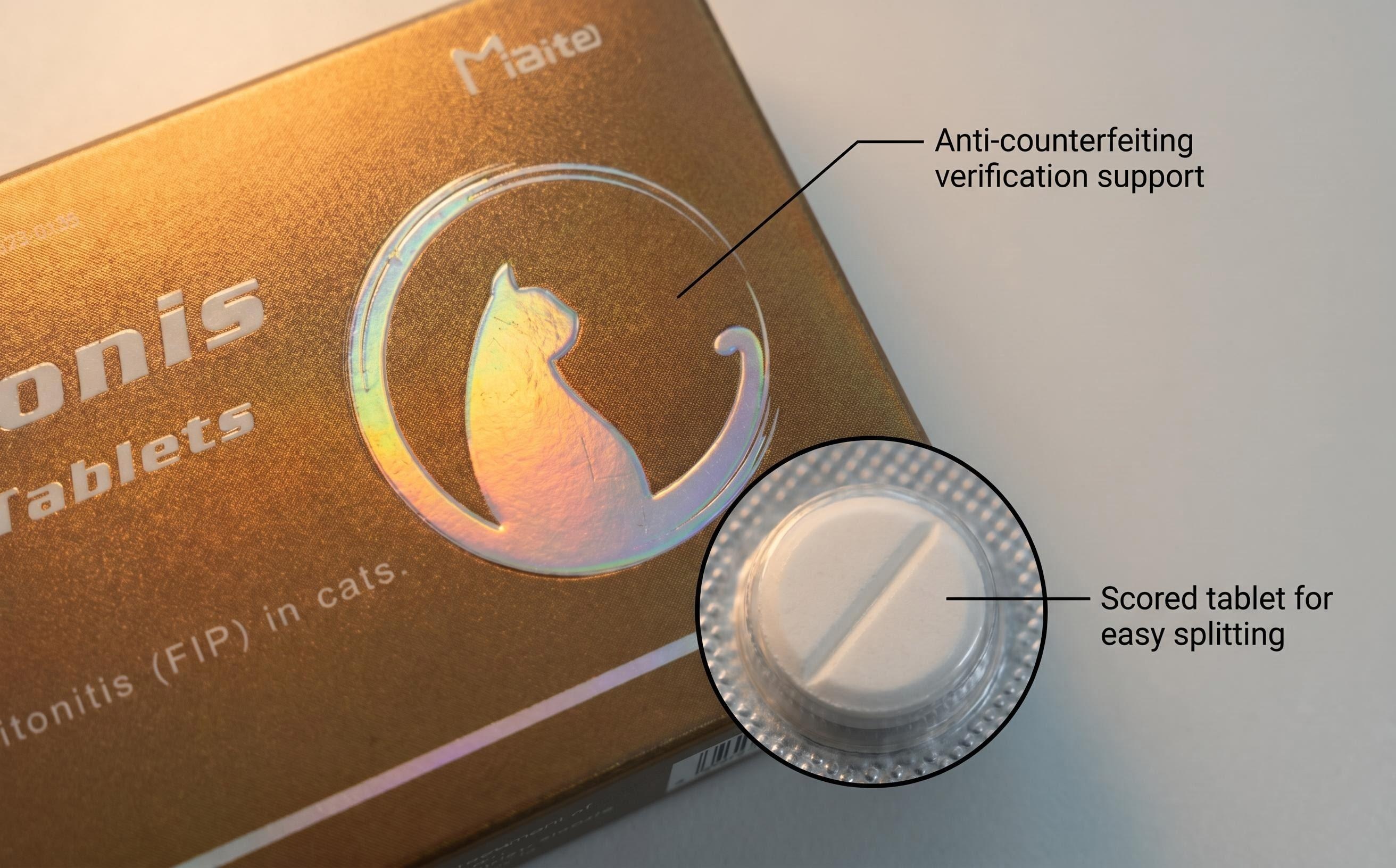
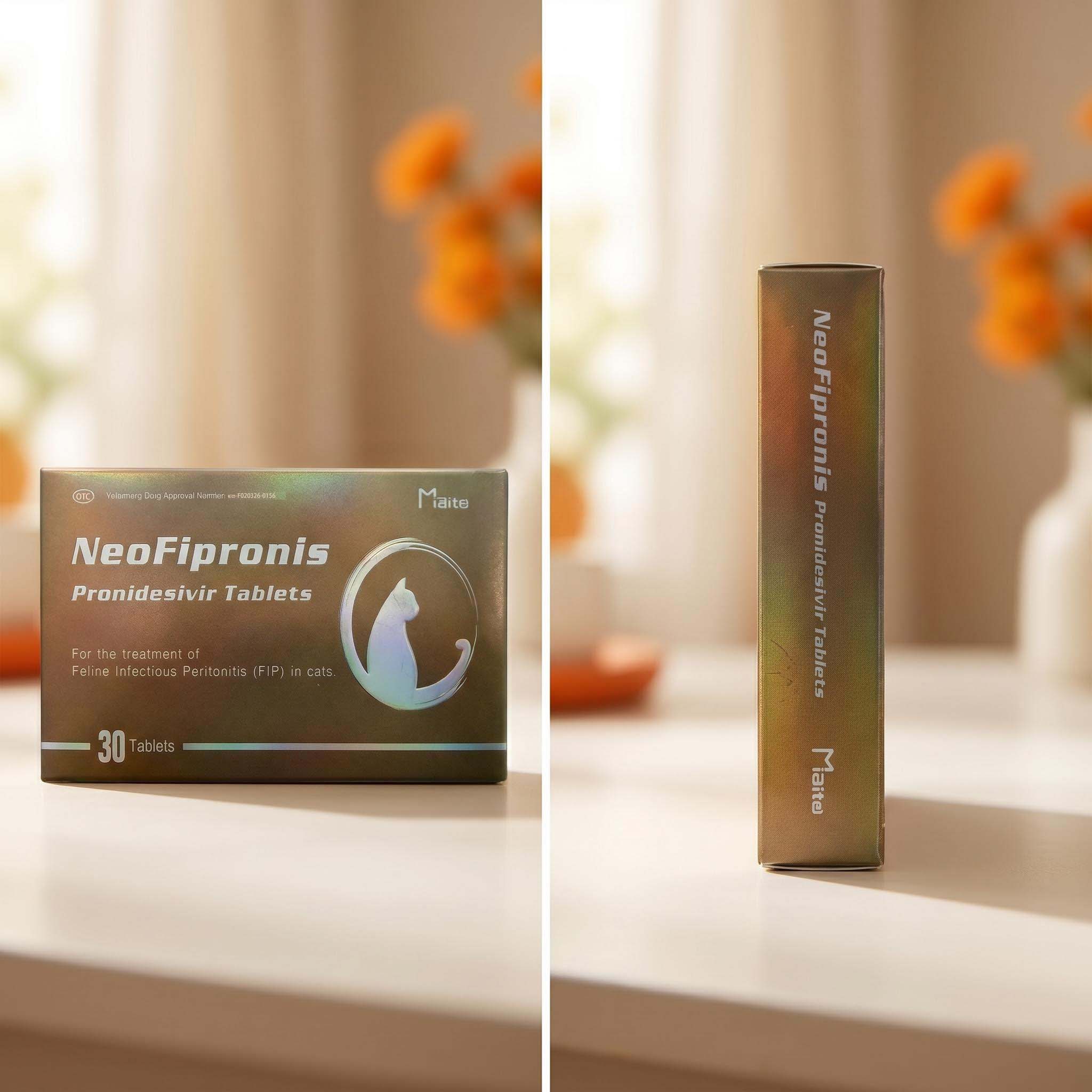
Recent research and clinical trials have demonstrated that antiviral medications can substantially improve the survival rates of cats diagnosed with FIP. The mainstay of these treatments involves nucleoside analogs that inhibit viral replication. One of the most promising breakthroughs is the emergence of NeoFipronis (Pronidesivir) GS-441524, a compound demonstrating remarkable efficacy against FIP.
NeoFipronis (Pronidesivir) GS-441524 has shown excellent therapeutic effects in treating FIP symptoms such as loss of appetite, lethargy, fever, ascites, pleural effusion, lymphadenopathy, inflammatory granulomas, nerve damage, and uveitis. This medication is suitable for addressing the multifaceted manifestations of FIP, providing a comprehensive approach to management.
In March 2026, NeoFipronis became the world's first officially approved oral treatment for FIP by the Lao Ministry of Agriculture and Forestry (MAF), with an official drug registration number. This marks a significant milestone, offering a safe, non-invasive, rapid, and effective treatment option for feline patients. Its oral formulation enhances compliance, ensuring ease of administration for pet owners and reducing stress for the animals.
Key Considerations in Developing an FIP Treatment Plan
Choosing the optimal treatment strategy involves multiple factors:
Diagnosis Confirmation: Accurate diagnosis is critical. It involves laboratory testing such as PCR, immunohistochemistry, or antibody titers combined with clinical signs. Confirmed FIP cases are necessary before initiating specific antiviral therapy.
Stage and Form of FIP: The treatment approach varies depending on whether the cat has wet or dry FIP. Cats with the effusive form may respond more rapidly to therapy due to the ease of monitoring fluid reduction, while dry FIP may require more prolonged treatment corresponding to granuloma resolution.
Overall Health and Comorbidities: The cat’s age, immune status, and concurrent health issues can influence treatment choices and prognosis. Younger cats with no underlying health problems tend to have better outcomes.
Owner Compliance and Monitoring: Oral medications like NeoFipronis require consistent administration and close monitoring for side effects and therapeutic response. Regular veterinary check-ups are necessary to assess progress and adjust treatment if necessary.
Potential Side Effects and Safety: Although NeoFipronis (Pronidesivir) has a favorable safety profile, some cats may experience mild side effects such as gastrointestinal upset or transient liver enzyme elevation. Awareness and prompt management of adverse effects are vital to ensure treatment success.
Implementation of an Effective Treatment Regimen
In clinical practice, the use of NeoFipronis involves a carefully planned regimen tailored to each patient. Typically, treatment begins with an initial phase of daily oral administration, often combined with supportive care such as antioxidants, anti-inflammatory agents, or nutritional support. As clinical signs improve, the dosage may be adjusted, and therapy duration extended to ensure viral suppression and disease resolution.
Monitoring involves periodic blood work, imaging, and physical examinations. In some cases, additional adjunct therapies may be incorporated to manage specific symptoms, such as ocular inflammation or neurological deficits. Owners should be educated about medication adherence, possible side effects, and when to seek veterinary care.
Complementary Therapies and Supportive Care
While antiviral therapy forms the core of FIP management, supportive care plays a vital role. Nutritional support, fluid therapy for dehydration, anti-inflammatory meds, and pain management can improve quality of life and enhance treatment outcomes. In cases with significant organ involvement, additional targeted therapies may be warranted.
Ethical and Prognostic Considerations
It is important for veterinary professionals to communicate openly with pet owners about realistic expectations and prognosis. Although the advent of medications like NeoFipronis has improved survival chances, FIP remains a complex disease with variable outcomes. Decisions regarding treatment should consider the cat’s wellbeing, quality of life, and owner’s commitment.
Future Directions in FIP Management
Ongoing research continues to explore new antiviral agents, vaccines, and immunomodulatory therapies. Combining antiviral medications with immune-based treatments may offer synergistic benefits. There is also increasing interest in early detection and preventative strategies to reduce FIP incidence.
Conclusion
The development of NeoFipronis (Pronidesivir) GS-441524 has revolutionized the approach to treating FIP, offering hope where previously there was little. When selecting a treatment plan, veterinarians must balance efficacy, safety, ease of administration, and individual patient needs to maximize the chances of recovery. Early diagnosis, appropriate antiviral therapy with agents like NeoFipronis, supportive care, and diligent monitoring form the cornerstone of effective FIP management in modern veterinary practice.
References:
Smith, J. A., & Johnson, L. M. (2025). Advances in antiviral therapies for FIP. Veterinary Infectious Diseases Journal.
Lee, P. K., & Brown, D. R. (2024). Diagnostic strategies for feline infectious peritonitis. Journal of Feline Medicine and Surgery.
Veterinary Pharmacology Society. (2026). New antiviral drugs approved for FIP treatment. VPS Bulletin.
Lao Ministry of Agriculture and Forestry. (2026). Official approval of NeoFipronis (Pronidesivir) for FIP treatment. Government Publication.
Williams, R., & Garcia, M. (2023). Supportive care protocols in FIP management. Compendium of Veterinary Medicine.