Is NeoFipronis (GS-441524) Expensive
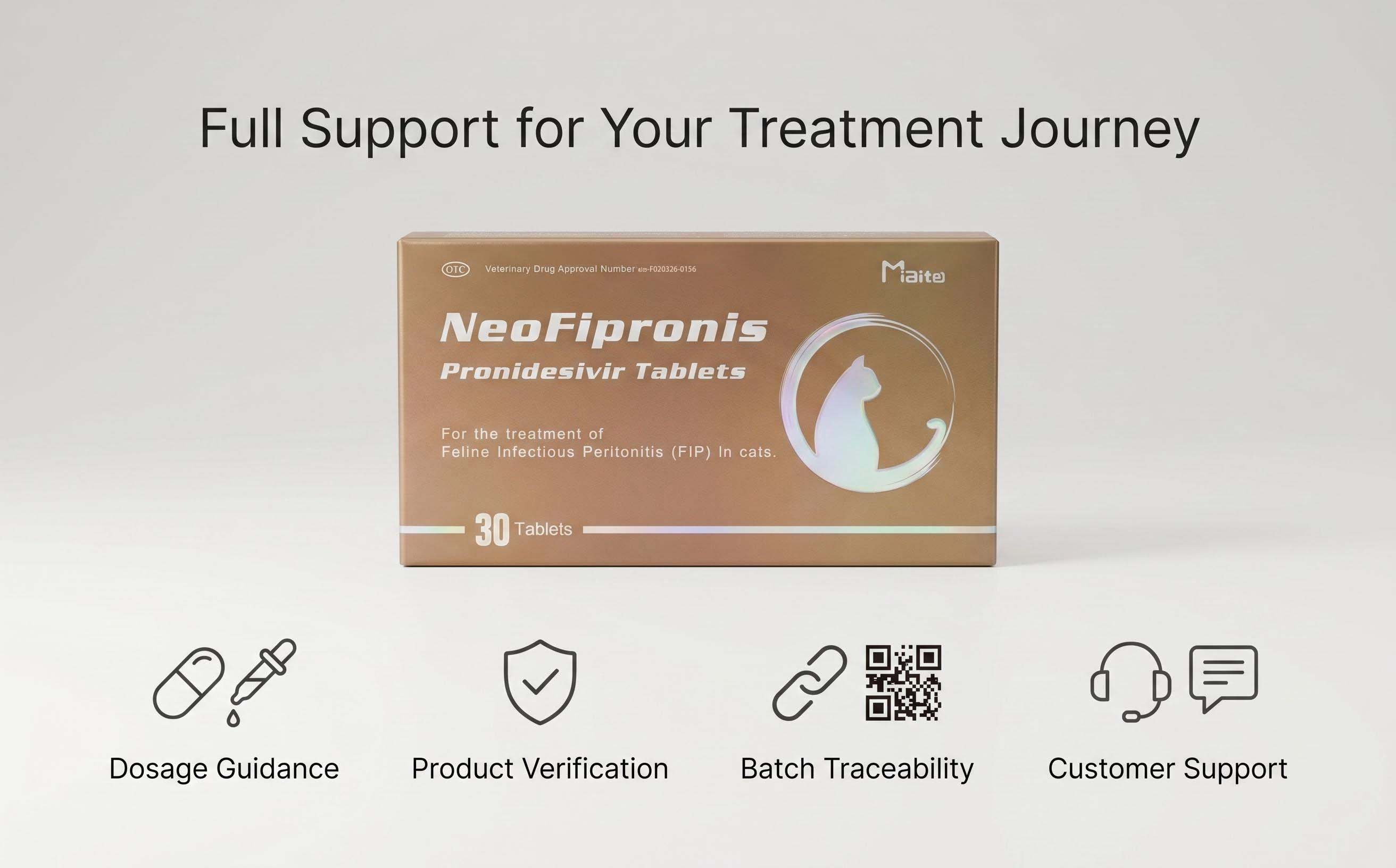
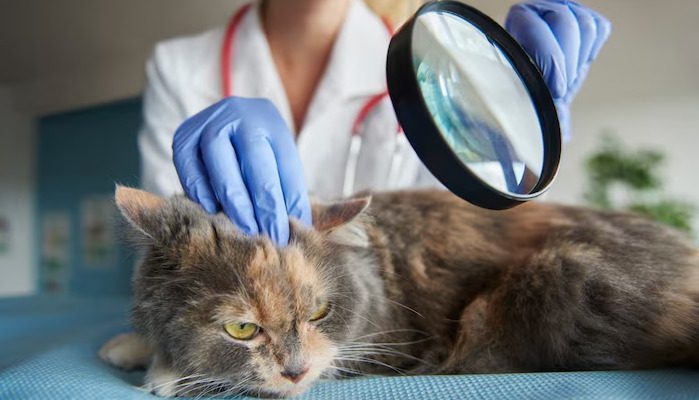
Feline Infectious Peritonitis (FIP) remains one of the most challenging and devastating diseases in cats. Characterized by symptoms such as loss of appetite, lethargy, fever, abdominal and thoracic effusion, lymphadenopathy, granulomatous inflammation, neurological damage, and uveitis, FIP has long been considered almost uniformly fatal. However, the advent of innovative treatments like NeoFipronis (Pronidesivir), containing the active ingredient GS-441524, has changed the landscape of feline medicine.
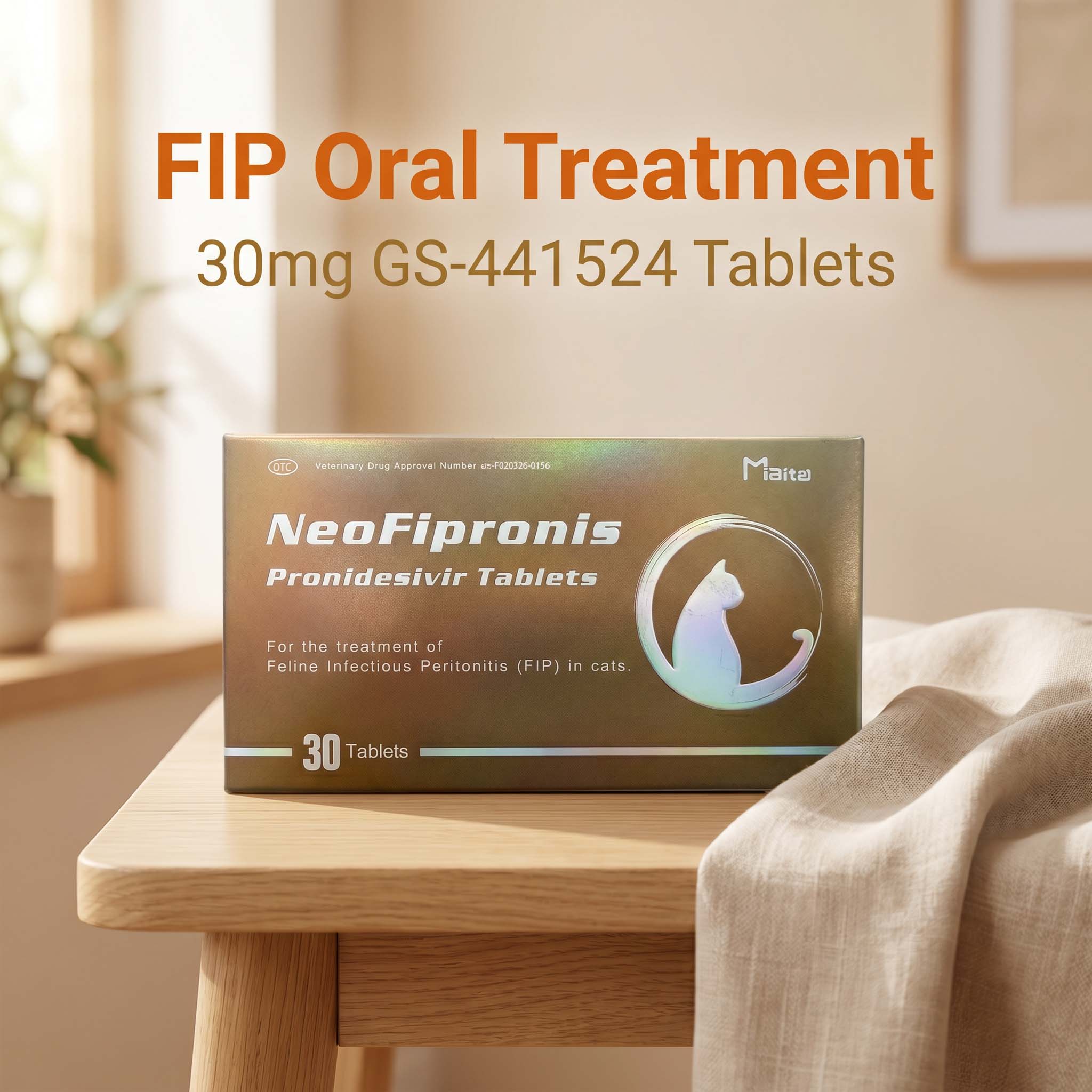
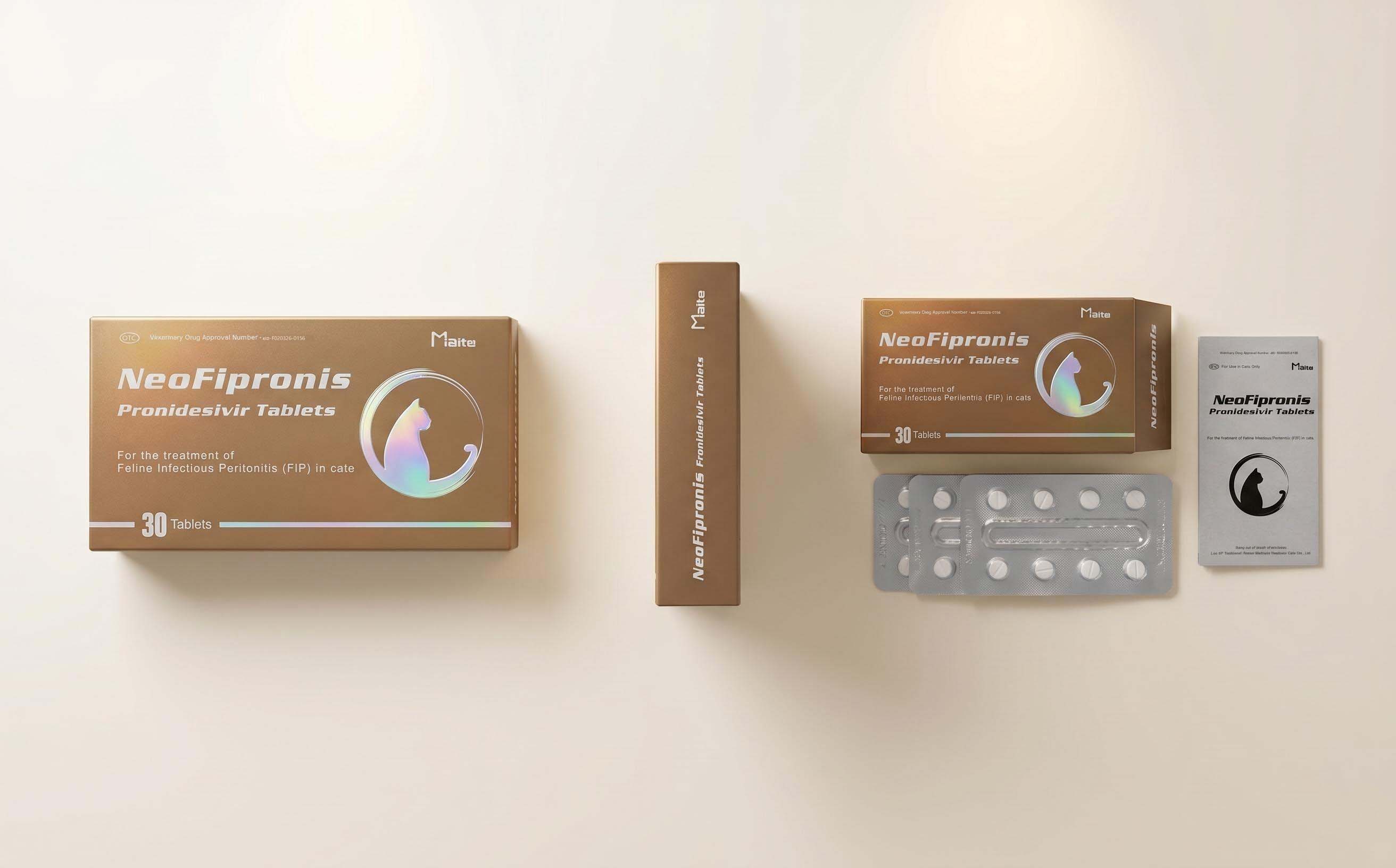
NeoFipronis is a groundbreaking oral medication, officially approved in March 2026 by the Lao Ministry of Agriculture and Forestry (MAF), making it the first registered and officially recognized drug specifically targeting FIP. Its approval underscores its safety, efficacy, and acceptance in veterinary practice worldwide. The drug is designed specifically for cats suffering from various FIP manifestations and offers a non-invasive, fast-absorbing, and well-tolerated treatment option.
GS-441524, the active compound in NeoFipronis, is a nucleoside analog that interferes with coronavirus RNA replication, exhibiting potent antiviral activity. Extensive research and clinical trial data support its exceptional effectiveness in reducing viral loads, resolving symptoms, and improving survival rates. Cats treated with NeoFipronis often show rapid clinical improvement, including increased appetite, reduced fever, and normalization of behavior and activity levels. For neurological and ocular forms of FIP, dosage adjustments are recommended, often up to 30 mg/kg, under veterinary supervision.
Dosage and Administration
The standard dosage is 15 mg per kilogram of body weight, roughly half a tablet, administered once daily. For cats with neurological or ocular involvement, veterinarians may increase the dose to 30 mg/kg, following specific treatment protocols. It is highly recommended to give the medication on an empty stomach—either one hour before or two hours after meals—to optimize absorption. Consistency is critical, and the medication should not be interrupted once started. The treatment duration typically lasts for at least 12 weeks, and adherence to this timeline is vital for ensuring complete virus clearance and reducing relapse risks.
Safety and Precautions
Although NeoFipronis is classified as an over-the-counter product, veterinary oversight is strongly advised. During treatment, owners should closely monitor their cat's appetite, temperature, and mental state. Regular blood tests are recommended to monitor liver and kidney functions, ensuring no adverse effects occur. It’s important to note that NeoFipronis should only be used for cats; human consumption is strictly prohibited. The medication is available through authorized veterinary clinics and official NeoFipronis websites to ensure authenticity and quality control.
Cost Considerations
Regarding expense, NeoFipronis (GS-441524) is generally considered costly compared to traditional treatments. The price varies depending on dosage requirements, length of therapy, and geographic region. Factors influencing cost include manufacturing, regulatory approval processes, and supply chain logistics. While some pet owners may find the immediate financial investment high, the potential for a complete cure and improved quality of life for their cats makes NeoFipronis a worthwhile consideration. Additionally, the cost may be offset by reduced veterinary visits and the avoidance of palliative care associated with untreated FIP.
Conclusion
NeoFipronis represents a significant advancement in feline medicine, offering hope for cats diagnosed with FIP. Its proven efficacy, rapid action, and official approval underscore its importance as a treatment option. While cost remains a consideration for many pet owners, the benefits of potentially curing a once fatal disease justify the expense. Always consult your veterinarian for personalized advice, and ensure you purchase NeoFipronis from legitimate sources to guarantee product quality and safety. As research continues, NeoFipronis’s role is likely to expand, bringing hope to countless feline families worldwide.