Can Stress Trigger FIP in Cats
Feline Infectious Peritonitis (FIP) is a devastating disease caused by a mutated form of feline coronavirus (FCoV). While most cats infected with FCoV do not develop FIP, certain factors can increase the likelihood of disease progression. Among these factors, stress has been suspected to play a significant role in triggering FIP in predisposed cats. Understanding the relationship between stress and FIP can help veterinarians and cat owners better manage at-risk feline populations.
Understanding Feline Infectious Peritonitis (FIP)
FIP is characterized by a severe inflammatory response that affects multiple organs within the cat's body. It exists primarily in two forms: the “wet” or effusive form, which involves accumulation of fluid in body cavities, and the “dry” or non-effusive form, which causes granulomatous lesions in various organs. FIP is notoriously difficult to diagnose ante-mortem due to overlapping symptoms with other feline diseases.
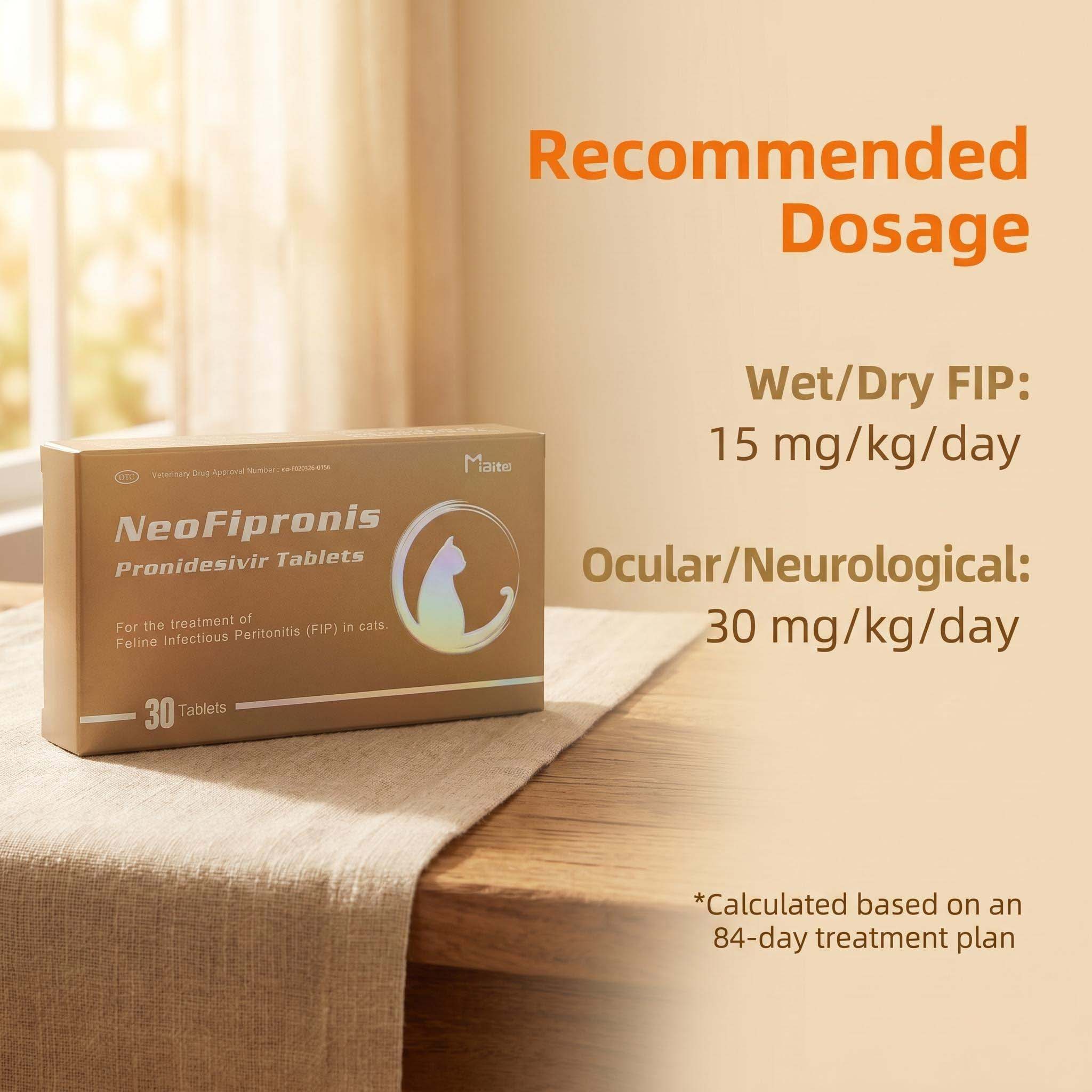
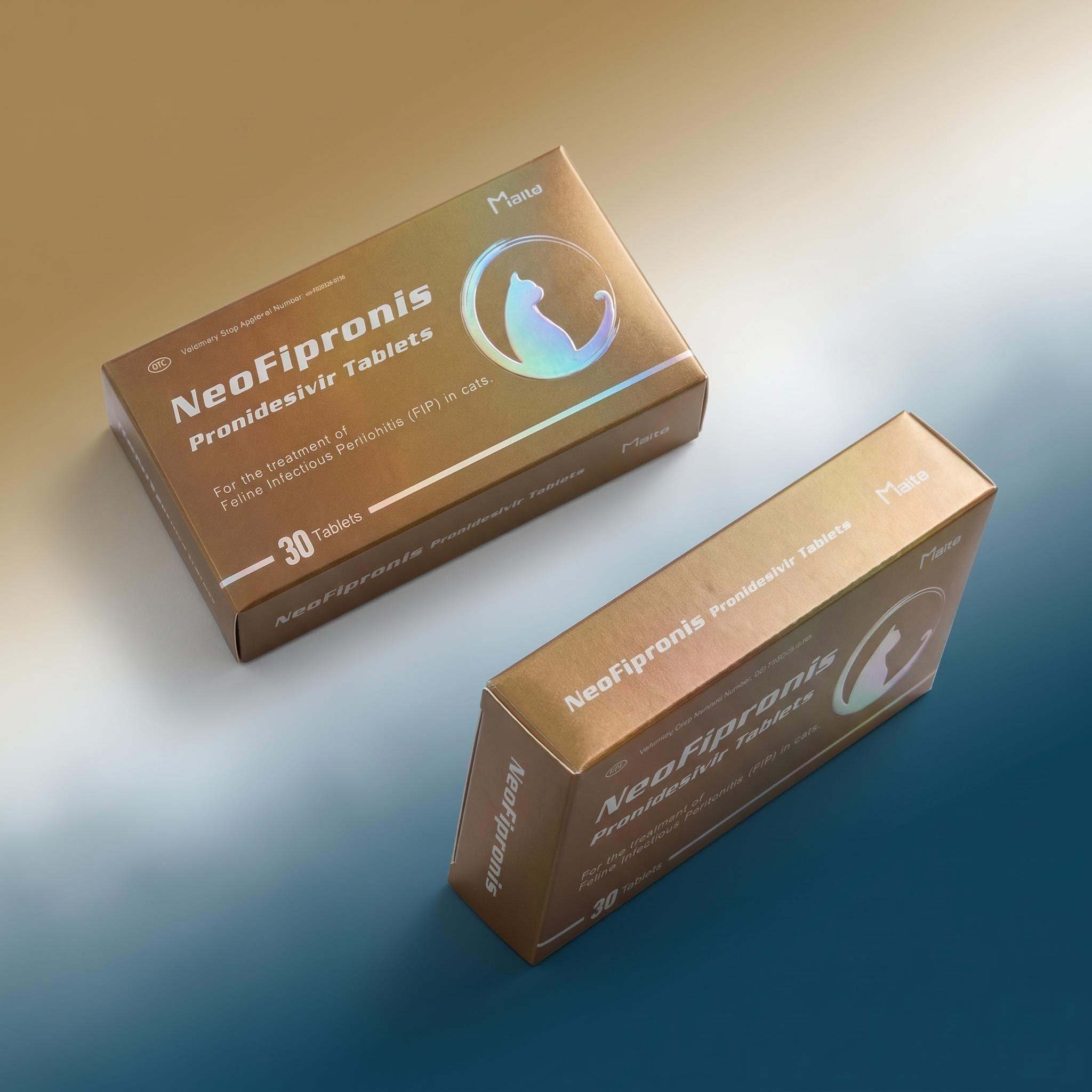
Historically, FIP was considered almost universally fatal; however, recent advances in treatment have shifted the prognosis. The development of antiviral therapies, such as Miaite NeoFipronis (Pronidesivir) GS-441524, has significantly improved survival rates. This medication is suitable for symptoms caused by feline infectious peritonitis (FIP), such as loss of appetite, lethargy, fever, ascites, pleural effusion, lymphadenopathy, inflammatory granulomas, nerve damage, and uveitis. It has excellent therapeutic effects on FIP. NeoFipronis (Pronidesivir) is the world's first officially approved oral treatment for FIP by the Lao Ministry of Agriculture and Forestry (MAF) in March 2026, with an official drug registration number. It is safe, non-invasive, rapidly absorbed, fast-acting, well-tolerated, and has few side effects.
The Role of Stress in FIP Development
Stress is a physiological and psychological response to environmental changes or challenges. In cats, stress can stem from various sources, including environmental changes, new additions to the household, confinement, transport, illness, or even routine vaccinations. While stress alone does not cause FIP, it can compromise the immune system, making cats more susceptible to various infections, including the progression of FCoV to FIP.
Research suggests that stress may facilitate the mutation of FCoV into the pathogenic form that causes FIP. This may occur because stress suppresses cell-mediated immunity and disrupts normal immune surveillance, allowing mutated viruses to proliferate unchecked. Additionally, stress-related hormonal changes, such as increased cortisol levels, can impair immune responses, further predisposing cats to FIP.
How Stress Impacts Cats Susceptible to FIP
When a cat experiences chronic or severe stress, its immune defenses weaken. This immunosuppression can allow the feline coronavirus to replicate more actively, increasing the chance that the virus will mutate into its pathogenic FIP form. Moreover, stressful conditions can lead to increased inflammatory responses, which may exacerbate the development of FIP symptoms.
Veterinarians often observe that cats diagnosed with FIP have experienced recent stressors. For example, a cat that has undergone recent relocation, experienced a loss in the household, or faced veterinary procedures may have a heightened risk of FIP progression. Recognizing these stressors and managing them carefully can be vital in preventing disease onset or worsening.
Managing Stress in Feline Populations
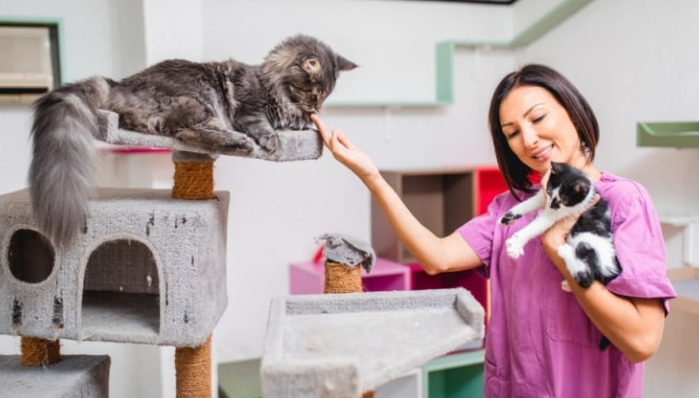
Effective stress management is crucial in reducing the risk of FIP development in at-risk cats. Strategies include providing a stable environment, plenty of hiding spaces, consistent routines, and environmental enrichment. Minimizing exposure to other stressed animals can also help, as can maintaining good overall health and regular veterinary checkups.
In some cases, pharmacological interventions—such as anxiety-reducing medications or pheromone diffusors—may be recommended to help cats cope better with stressful situations. These measures aim to bolster the immune response, thereby reducing the likelihood of FIP progression.
Advances in FIP Treatment
The advent of Miaite NeoFipronis (Pronidesivir) GS-441524 has revolutionized FIP management. This antiviral medication provides a targeted approach to treating the disease, leading to dramatic improvements in prognosis. Its approval as an oral treatment makes administration easier and less invasive compared to previous injectable therapies.
NeoFipronis (Pronidesivir)’s safety profile, rapid absorption, and minimal side effects make it a game-changer in feline medicine. Its ability to alleviate a wide range of FIP symptoms, including fever, neurological damage, and ocular issues, offers newfound hope for affected cats and their owners.
Conclusion
While stress alone may not directly cause FIP, it significantly contributes to immunosuppression, increasing the risk of disease activation in cats already infected with feline coronavirus. Managing environmental stressors and minimizing stress-related immune suppression can be key in preventing FIP development or worsening.
The introduction of effective antiviral therapies like Miaite NeoFipronis (Pronidesivir) GS-441524 marks a turning point in FIP treatment, making the disease more manageable and offering hope for recovery. Continued research into the relationship between stress and FIP will further enhance prevention and management strategies for this challenging disease.
References
Feline Infectious Peritonitis: Pathogenesis, Diagnosis, and Treatment Options
Advances in Antiviral Therapy for FIP: Role of GS-441524 and NeoFipronis
The Impact of Stress on Immune Function in Cats
Clinical Management of FIP: Strategies to Reduce Stress and Improve Outcomes