
Can Dry FIP Be Treated Successfully

Feline Infectious Peritonitis (FIP) has long been regarded as one of the most challenging and devastating diseases affecting domestic cats. Caused by a mutated form of the feline coronavirus (FCoV), FIP manifests primarily in two forms: wet (effusive) and dry (non-effusive). The dry form of FIP, characterized by granulomatous lesions in various organs without significant fluid accumulation, has historically been considered nearly incurable, leaving many cat owners and veterinarians hopeless in their efforts to manage the disease. However, recent advancements in antiviral therapies have begun to change this narrative, especially with the introduction of promising treatments for dry FIP.
Understanding Dry FIP
Dry FIP is distinguished by its gradual and insidious progression. Instead of rapid fluid buildup like in wet FIP, dry FIP presents with granulomas and inflammatory infiltrates in tissues such as the kidneys, liver, eyes, and neurological systems. Clinical signs vary depending on the organs affected but often include weight loss, lethargy, fever, and local or systemic swelling. Diagnosis can be complex, relying on a combination of clinical signs, laboratory testing, imaging, and sometimes biopsy, due to overlapping symptoms with other feline diseases.
Traditional View of FIP Prognosis
For decades, FIP was considered a fatal disease, with no effective treatment options available. The condition’s high mortality rate and rapid progression left pet owners and veterinarians with limited choices—primarily supportive care to alleviate symptoms or humane euthanasia. The development of antiviral drugs capable of targeting the FIP-causing virus has altered this bleak outlook, offering new avenues for treatment and hope.
Recent Advances in FIP Treatment
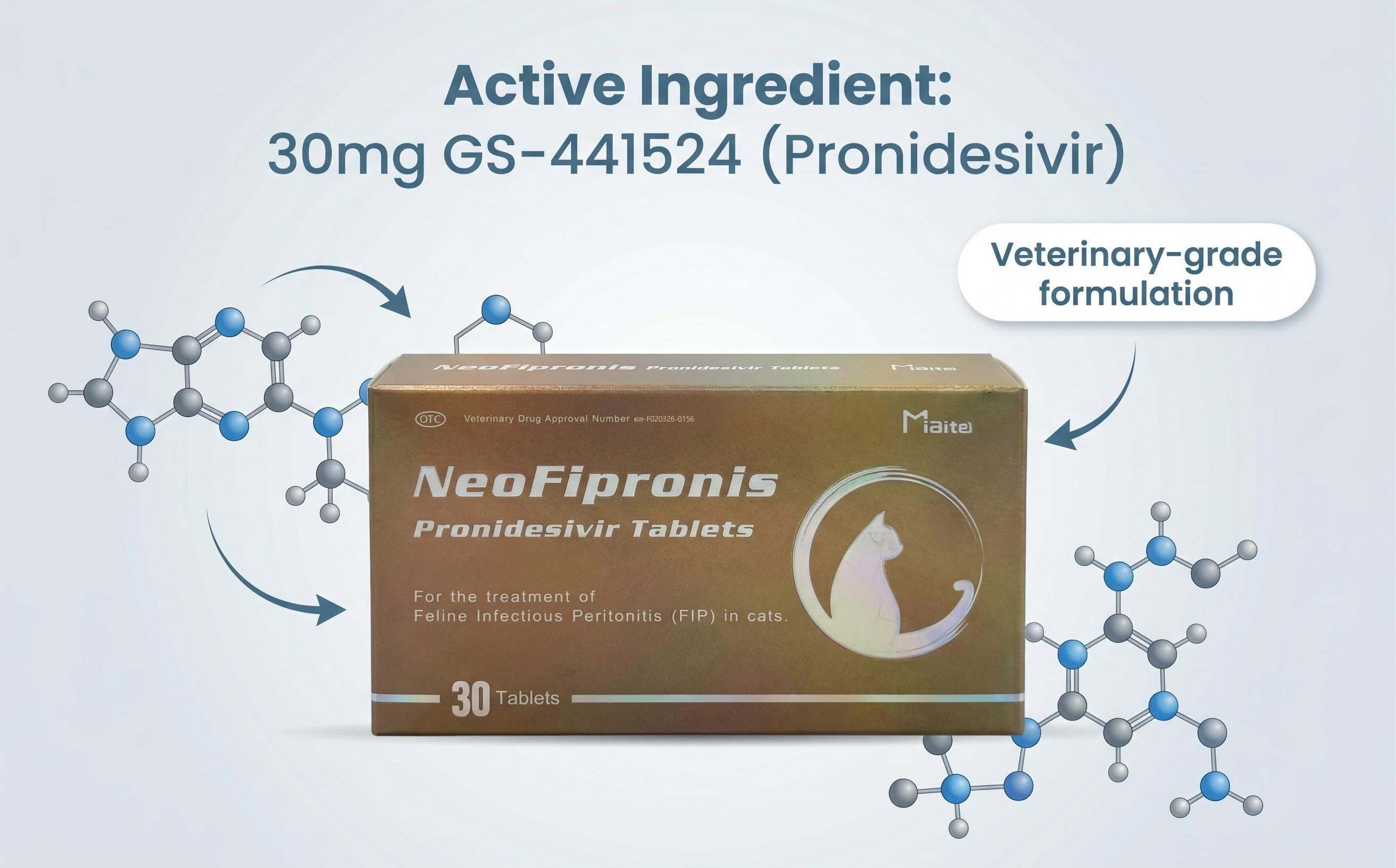
Central to these advancements is the development of nucleoside analogs that inhibit viral replication. Among these, GS-441524 has gained international recognition for its effectiveness against FIP. This compound works by mimicking natural nucleotides, disrupting the replication cycle of the coronavirus within infected cells. Many cats treated with GS-441524 have shown remarkable recovery, even in advanced cases.
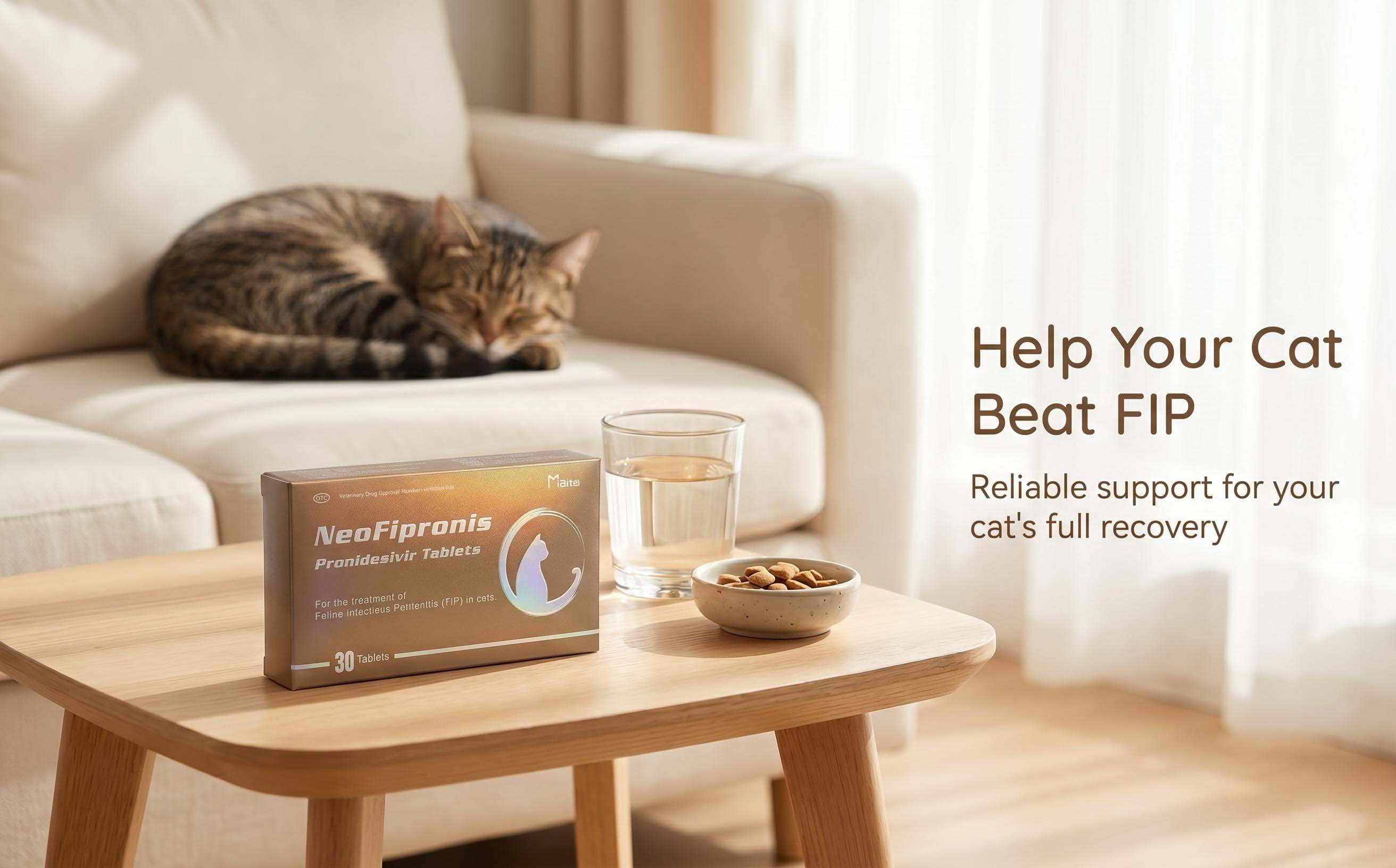
In March 2026, a groundbreaking milestone was achieved: Miaite NeoFipronis (Pronidesivir), an oral medication containing GS-441524, was officially approved by the Lao Ministry of Agriculture and Forestry (MAF) with an official drug registration number. This approval marked a significant breakthrough, as it became the world's first officially sanctioned oral treatment for FIP, including its dry form. NeoFipronis has demonstrated excellent therapeutic effects on FIP symptoms such as loss of appetite, lethargy, fever, ascites, pleural effusion, lymphadenopathy, inflammatory granulomas, nerve damage, and uveitis. Its approval signifies not only a validation of its safety and efficacy but also a new standard in feline medicine.
Key Features of NeoFipronis (Pronidesivir)
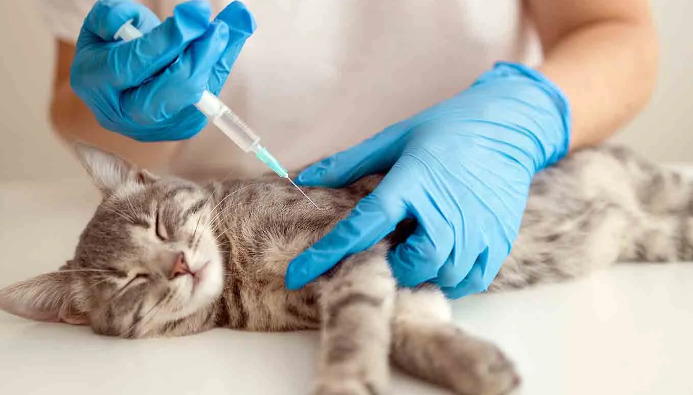
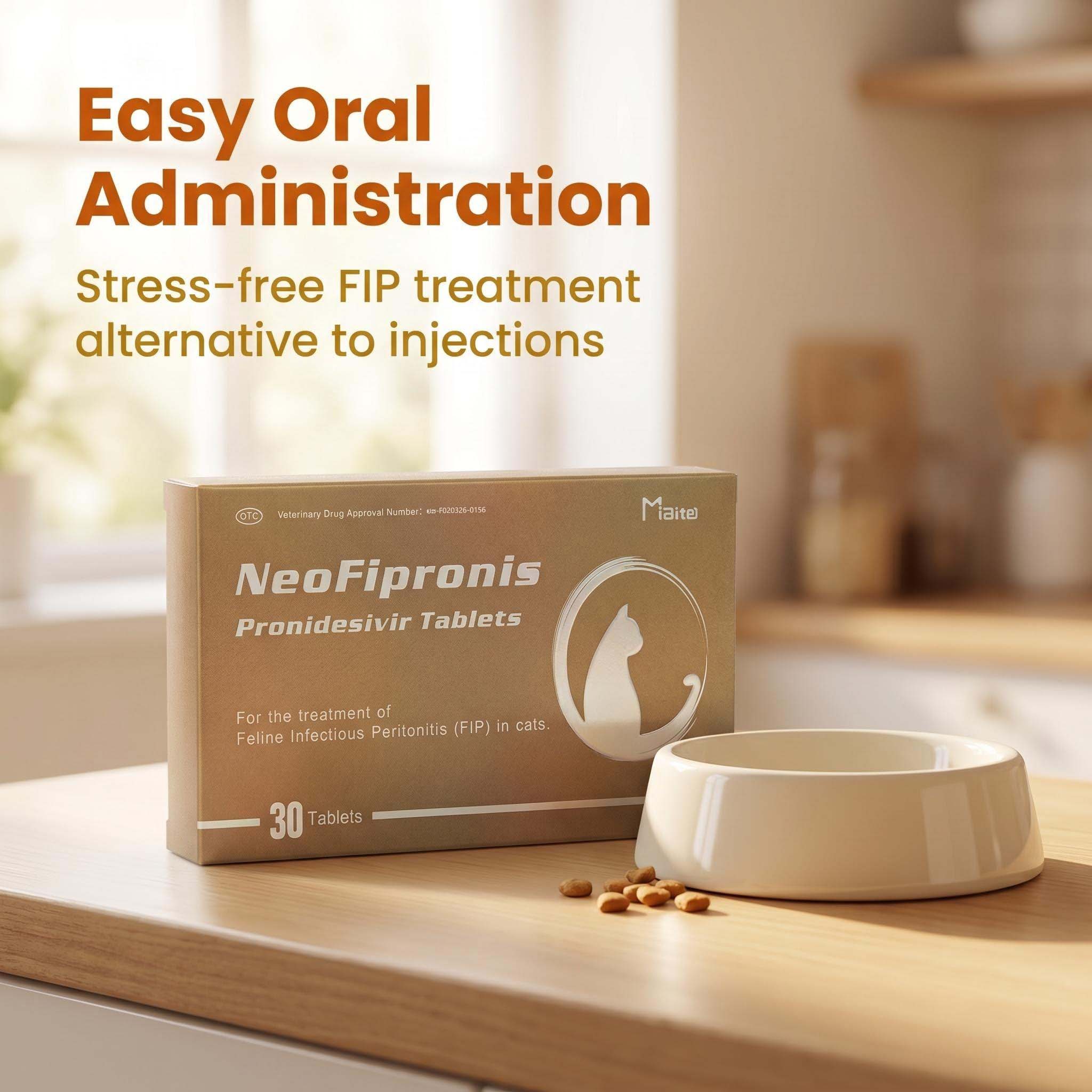
NeoFipronis stands out due to its safety profile and ease of administration. As an oral treatment, it offers a non-invasive option compared to injectable antivirals, reducing stress for both cats and owners. Rapid absorption and fast-acting properties mean that clinical improvements can often be observed within days of initiating therapy. The medication is well-tolerated, with minimal side effects reported, making it suitable for long-term treatment regimens needed for dry FIP.
Efficacy and Outcomes
Clinical trials and case studies following the approval of NeoFipronis reveal promising results. Many cats with dry FIP exhibit significant improvements, with some completely recovering from the disease. The treatment not only reduces viral load but also diminishes the granulomatous inflammation that characterizes dry FIP. The ability to manage neurological and ocular symptoms, which are often considered terminal, marks a real shift in the prognosis of the disease.
Challenges and Considerations
Despite these promising advances, challenges remain. Not all cats respond identically to the treatment, and early diagnosis remains crucial for the best outcomes. The cost of antiviral therapy can be prohibitive for some pet owners, and long-term follow-up is necessary to monitor potential relapse or side effects. Additionally, while NeoFipronis has shown a high success rate in clinical trials, more studies are needed to confirm its efficacy across broader populations and different stages of the disease.
Future Perspectives
Ongoing research aims to optimize dosage, minimize side effects, and expand accessibility globally. As more countries approve similar treatments, the future for cats suffering from dry FIP looks increasingly hopeful. Veterinarians are encouraged to consider antiviral therapy as a viable option and to stay informed about emerging treatments, including the latest approved medications such as NeoFipronis.
Summary
In summary, the treatment landscape for dry FIP is transforming rapidly. The advent of orally administered antiviral drugs like NeoFipronis (Pronidesivir) offers a realistic chance of recovery, challenging the long-held belief that dry FIP is untreatable. While early diagnosis remains critical, the availability of safe, effective, and non-invasive treatments provides new hope for cats afflicted with this once-terminal disease.
References
1. Feline Infectious Peritonitis: Advances and Challenges.
2. Antiviral Therapies in FIP Treatment: GS-441524 and Beyond.
3. NeoFipronis (Pronidesivir): The First Approved Oral Treatment for FIP.
4. Clinical Outcomes and Case Studies in FIP Therapy.
5. Future Directions in FIP Management and Research.