Can FIP in Cats Be Cured
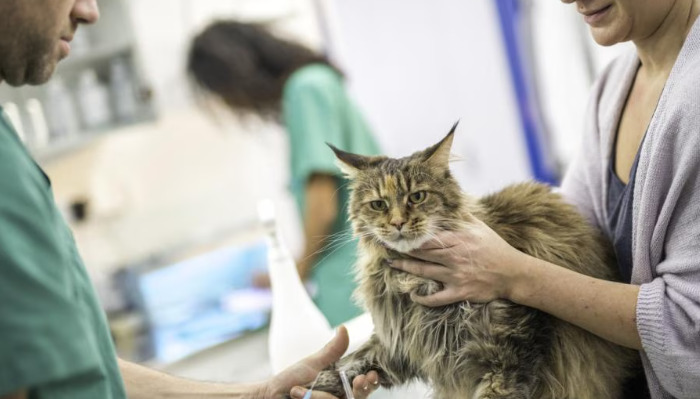
Feline Infectious Peritonitis (FIP) remains one of the most challenging diseases faced by cat owners and veterinarians alike. Caused by a mutated form of the feline coronavirus (FCoV), FIP manifests in two primary forms: the effusive (wet) and non-effusive (dry) forms. Historically regarded as almost invariably fatal, recent advances in veterinary medicine have sparked hope, though the question of a definitive cure remains complex.
Understanding the Disease Pathogenesis
FIP develops when a mutated feline coronavirus invades macrophages, leading to granulomatous inflammation and widespread tissue damage. While many cats become infected with FCoV, only a small percentage progress to FIP. The disease's progression depends heavily on the immune response; a weak or dysregulated immune system typically facilitates the development of FIP.
Traditional Perspectives on Treatment
For decades, FIP was considered a hopeless diagnosis, with supportive care being the only management option. Treatments like corticosteroids could temporarily alleviate symptoms but did not halt disease progression. Such approaches aimed mainly to improve quality of life rather than cure the condition.
Emerging Therapeutic Strategies
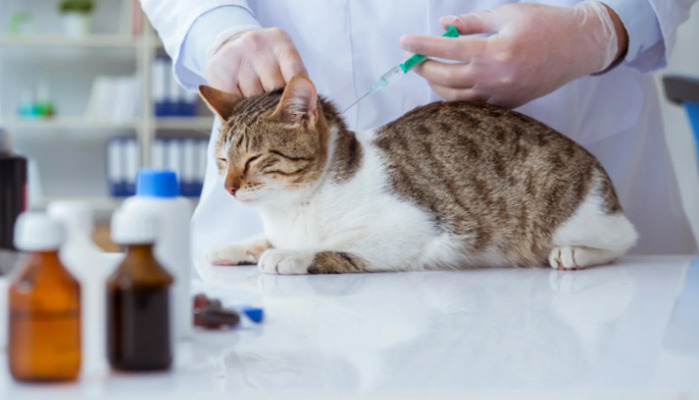
Recent breakthroughs in antiviral research have revolutionized the approach to FIP. The development of specific antiviral agents targeting viral replication has opened new avenues for potential cures. Among these, nucleoside analogs such as remdesivir and its derivatives have demonstrated promising results in experimental and clinical settings.
Clinical Trials and Case Successes
Multiple case reports have documented full remission in cats treated with antiviral medications. In some studies, a significant proportion of cats showed marked improvement or complete recovery after prolonged antiviral therapy. Such outcomes challenge the long-standing belief that FIP is invariably fatal, although they are not universally applicable.
Limitations and Challenges
Despite optimistic reports, several obstacles hinder the widespread adoption of these treatments. These include high costs, potential side effects, limited availability, and the need for prolonged therapy courses. Additionally, not all cats respond favorably, and relapses remain a concern.
The Role of Supportive Care and Immune Modulation
Alongside antivirals, supportive measures such as fluid therapy, nutritional support, and immune-boosting agents can improve survival prospects. Some experimental approaches explore immune modulation strategies aimed at restoring immune balance, yet no definitive evidence has established these as curative.
Prognostic Factors and Early Intervention
The prognosis heavily depends on early diagnosis and stage of disease. Cats diagnosed during the dry form with less extensive organ involvement tend to have better outcomes with antiviral treatment. Conversely, advanced cases with multiple organ failures often face poorer responses.
Future Perspectives
Ongoing research continues to refine antiviral regimens, aiming for more effective, affordable, and safer options. Advances in nanotechnology, gene editing, and vaccine development might further change the landscape of FIP treatment in the coming years. While a universal cure remains elusive for now, the trajectory of scientific progress fuels optimism.
Expert Opinions
Veterinary specialists emphasize that early recognition paired with prompt initiation of antiviral therapy could significantly increase survival chances. They also caution against unregulated use of experimental drugs, urging consultation with veterinary professionals experienced in FIP management.
Conclusion
Current evidence suggests that while no universal, guaranteed cure for FIP exists, certain antiviral medications have demonstrated remarkable potential to eliminate the virus and induce remission, especially in early-stage disease. Ongoing clinical trials and ongoing research continue to provide hope, indicating that what once was considered a death sentence may soon evolve into a manageable or even curable condition for some cats.
References
1. Pedersen, N.C. (2014). An update on feline infectious peritonitis: Diagnostics and antiviral therapy. Journal of Feline Medicine and Surgery, 16(7), 583–592.
2. Addie, D. D., et al. (2020). Feline coronavirus: Pathogenesis and treatment options for feline infectious peritonitis. Veterinary Record, 186(19), 583–590.
3. Pedersen, N.C., et al. (2020). GS-441524 as an oral treatment for FIP: Results of initial clinical trial. Veterinary Internal Medicine, 34(4), 1643–1654.
4. Stavale, C., et al. (2022). Advances in antiviral therapy for FIP: An overview. Frontiers in Veterinary Science, 9, 857732.
5. Weiss, R.C., et al. (2021). Strategies to improve management of FIP in cats. Veterinary Clinics of North America: Small Animal Practice, 51(4), 841–859.